
9 Days • 8 Nights
Wild Ireland: National Parks, Cliffs & Coast
Tour Includes
About the Trip
Trip Highlights
- Killarney National Park, with its lakes, ancient woods and wild red deer, is a beautiful highlight of this journey. Ireland's first national park, Killarney, is a glorious wilderness of shimmering lakes, tumbling waterfalls, purple mountains and one of the country's last great tracts of ancient oak and yew woodland, home to a native herd of wild red deer, Ireland's only remaining wild herd. You explore by jaunting car, boat and on foot, spotting deer grazing in the meadows, walking through mossy, fern-draped woods, taking in the Torc Waterfall and the beautiful Gap of Dunloe, a dramatic glacial pass between the mountains.
- The Dingle Peninsula, with its dramatic coast and marine wildlife, is a spectacular highlight of this journey. Dingle is one of the wildest and most beautiful peninsulas in Ireland, a Gaeltacht land of mountains, cliffs and a ragged Atlantic coast. You drive the breathtaking Slea Head Drive, clinging to cliffs above the crashing ocean with views to the Blasket Islands, and take to the water in Dingle Bay and beyond, watching for the dolphins, seals, seabirds and, in season, whales and basking sharks that thrive in these rich Atlantic waters. Ancient beehive huts and forts dot the green hills. The scenery, coast and wildlife are captivating.
- The mighty Cliffs of Moher, alive with seabirds and puffins, are a breathtaking highlight of this journey. Ireland's most famous cliffs form a wall of dark rock that soars more than 200 metres straight from the crashing Atlantic and stretches for eight kilometres along the coast of Clare. In spring and summer they become one of Ireland's most important seabird colonies, home to thousands of nesting guillemots, razorbills, kittiwakes and, most beloved of all, colourful puffins, which you can watch wheeling and nesting on the cliff faces and stacks. You walk the cliff paths amid the wheeling birds and the roar of the sea.
- The unique Burren, a wildflower wonderland of limestone, is a fascinating highlight of this journey. The Burren, in County Clare, is one of the strangest and most beautiful landscapes in Europe, a vast pavement of grey limestone cracked into a lunar terrain of terraces and fissures. Yet from those cracks springs one of the richest wildflower communities on earth, where Arctic, alpine and Mediterranean plants grow side by side in a botanical wonder found nowhere else, with rare orchids, gentians and mountain avens carpeting the rock in spring and summer. Ancient dolmens and forts add mystery. The strangeness, flora and antiquity are fascinating.
- Connemara National Park, with its mountains, bogs and Atlantic coast, is a beautiful highlight of this journey. In the far west, Connemara National Park protects some of the wildest and most romantic country in Ireland, a landscape of golden blanket bog, glittering loughs, heather moorland and the quartzite peaks of the Twelve Bens. You walk its trails, perhaps climbing Diamond Hill for sweeping views over mountains, bog and a ragged Atlantic coast, watch for red deer, Connemara ponies and birds of prey, and visit the fairytale Kylemore Abbey mirrored in its lake. This is deep Gaeltacht country. The wild beauty and tranquillity are captivating.
- Above all, this journey immerses you in the wild landscapes and wildlife of Ireland, a scenic and rewarding experience. Beyond its cities and castles, Ireland is a land of extraordinary natural beauty, and this journey immerses you in it. Over nine days you explore Killarney National Park and its wild red deer, the Ring of Kerry and the Dingle Peninsula with its dolphins and seabirds, the mighty Cliffs of Moher and its puffins, the wildflower wonderland of the Burren, and Connemara National Park beneath the Twelve Bens, guided by expert driver-guides with a passion for nature.
Day by Day
A detailed day-by-day plan for this 9-day journey.
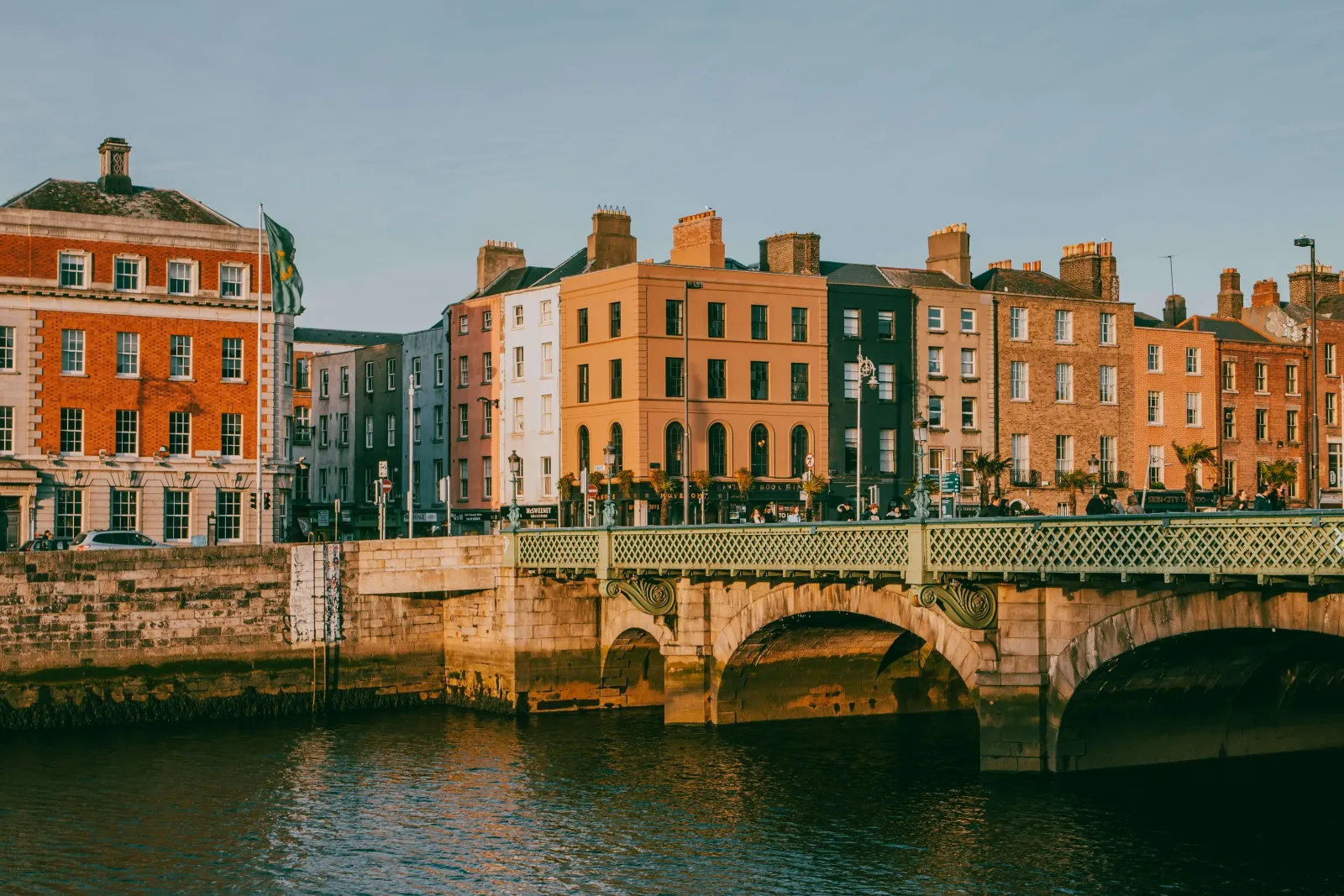
Your journey through wild Ireland begins as your flight arrives at Dublin Airport, where you are met and transferred to your hotel in the Irish capital. Ireland is one of the most welcoming countries in Europe, and the warmth of the Irish greeting is felt from the moment you arrive. Spend the rest of the day settling in and relaxing after your journey, perhaps taking a first stroll along the River Liffey or through one of the city's green parks or gardens, breathing the soft Atlantic air. This evening, a welcome dinner introduces you to hearty Irish food, a first pint of Guinness and the scenic journey ahead through Ireland's national parks, sea cliffs, mountains and wild coast, from Killarney and Dingle to the Cliffs of Moher, the Burren and Connemara. Rest well, for tomorrow you journey south to Killarney National Park, Ireland's first and most beautiful national park, and its wild red deer.
Today you journey south and west to Killarney, gateway to Ireland's oldest and most beautiful national park. Travelling through green countryside, you might pause at the dramatic Rock of Cashel before continuing into Kerry, where the landscape grows wilder and more mountainous beneath the MacGillycuddy's Reeks, Ireland's highest peaks. Reaching Killarney, you begin exploring its glorious national park, a wilderness of shimmering lakes, tumbling waterfalls and ancient oak and yew woods, home to a native herd of wild red deer. You might take a boat on the lakes or walk to the pretty Torc Waterfall through mossy, fern-draped woodland. The beauty and tranquillity are captivating. As the day ends, you settle into your hotel in Killarney. This evening, enjoy the lively pubs and traditional music of the town. Rest well, for tomorrow you explore more of the park and drive the mountainous Ring of Kerry.
Today you explore the wild heart of Kerry. You begin in Killarney National Park, riding a traditional horse-drawn jaunting car past the lakes, ancient woods and elegant Muckross House, watching for wild red deer grazing in the meadows, and taking in the dramatic Gap of Dunloe, a spectacular glacial pass winding between the mountains. In the afternoon you drive part of the legendary Ring of Kerry, a 100-mile mountain and coast road unfolding purple peaks, glittering lakes, waterfalls and wide Atlantic seascapes, with views to the jagged Skellig islands, home to seabirds and an ancient monastery. Rainbows arc over the hills after passing showers. The scenery and wildlife are captivating. As the day ends, you return to Killarney. This evening, savour Kerry's warmth and music. Rest well, for tomorrow you journey to the wild Dingle Peninsula and take to the water in search of marine wildlife.
Today you journey over the mountains to the wild Dingle Peninsula, one of the most beautiful in Ireland. You cross the dramatic Conor Pass, the highest mountain pass in Ireland, with breathtaking views over lakes, valleys and sea, and reach the charming, colourful town of Dingle. You drive the breathtaking Slea Head Drive, clinging to cliffs above the crashing Atlantic with views to the Blasket Islands, passing ancient beehive huts and forts. In the afternoon you take to the water on a boat trip into Dingle Bay and along the coast, watching for the dolphins, seals, seabirds and, in season, whales and basking sharks that thrive in these rich Atlantic waters. The coast and wildlife are captivating. As the day ends, you settle into Dingle. This evening, join the craic in one of its legendary music pubs. Rest well, for tomorrow you journey north to the Cliffs of Moher and the Burren.
Today you journey north up the coast to Galway, past two of Ireland's great natural wonders. Crossing the Shannon Estuary by car ferry into County Clare, you reach the mighty Cliffs of Moher, where a wall of dark rock soars more than 200 metres from the crashing Atlantic, alive in season with thousands of nesting seabirds, including colourful puffins, which you watch wheeling below. You then cross the unique Burren, a lunar landscape of grey limestone from whose cracks springs one of the richest wildflower communities on earth, where Arctic, alpine and Mediterranean plants bloom side by side among ancient dolmens, perhaps pausing at the Poulnabrone tomb. Continuing north, you reach Galway by evening. As the day ends, you settle into your Galway hotel. This evening, the pubs of the Latin Quarter spill traditional music onto the streets. Rest well, for tomorrow you explore Galway Bay and its wildlife.
Today you explore Galway and, weather permitting, sail out into Galway Bay to the wild Aran Islands. You take a ferry to Inis Mor, the largest of the three windswept limestone islands, where the land is a patchwork of tiny fields divided by dry-stone walls and seabirds nest on the cliffs. You explore by pony trap or bicycle, reaching the spectacular prehistoric fort of Dun Aonghasa, perched on the edge of a 100-metre cliff above the Atlantic, and watching for seals, seabirds and dolphins in the surrounding waters, an extension of the same wildlife-rich seas as Dingle. Back in Galway, you wander the lively medieval Latin Quarter. The wild coast and wildlife are captivating. As the day ends, you return to your Galway hotel. This evening, savour fresh seafood and traditional music. Rest well, for tomorrow you journey into wild Connemara and its national park.
Today you journey west into wild Connemara and its national park, some of the most romantic country in Ireland. You drive beneath the quartzite peaks of the Twelve Bens, past golden blanket bogs, glittering loughs and heather moorland dotted with white cottages and grazing sheep and Connemara ponies, through a deep Gaeltacht region. In Connemara National Park you walk its trails, perhaps climbing Diamond Hill for sweeping views over mountains, bog and a ragged Atlantic coast, watching for red deer, birds of prey and the hardy native ponies. You visit the fairytale Kylemore Abbey, a Victorian castle mirrored in its lake beneath the mountains, with its walled garden. The wild beauty is captivating. As the day ends, you settle into your accommodation in the heart of Connemara. This evening, savour the deep peace, the huge skies and perhaps a session of music in a village pub. Rest well amid wild Connemara.
Today you immerse yourself fully in the wild beauty of Connemara. You might take a longer walk in Connemara National Park or the surrounding hills, breathing the clean Atlantic air amid bog, mountain and lough, and take in the dramatic Killary Fjord, Ireland's only fjord, a long sea inlet cradled by mountains where mussels are farmed in the clean water, perhaps on a scenic boat trip watching for seals and dolphins. You explore the ragged coast of white beaches, tiny harbours and Gaeltacht villages, and watch for the birds, ponies and wildlife of this untamed land. The scale, emptiness and wild beauty are captivating. As the day ends, you return to your Connemara base. This evening, savour a farewell dinner of the finest west-coast produce and, perhaps, a final session of music, reflecting on the wild landscapes and wildlife you have explored across Ireland. Rest well ahead of your departure tomorrow.
After a final morning amid the wild beauty of Connemara, perhaps a last walk in the national park, a quiet coffee overlooking the bog and mountains, or some shopping for Connemara marble or handwoven tweed, you are transferred to Shannon, Knock or Galway for your onward journey. You leave having immersed yourself in wild Ireland, Killarney National Park and its red deer, the Ring of Kerry and the Dingle Peninsula with its dolphins and seabirds, the Cliffs of Moher and its puffins, the wildflower wonderland of the Burren, and Connemara National Park beneath the Twelve Bens. The images stay vivid long after you land, red deer in Killarney's woods, dolphins off Dingle, puffins on the Cliffs of Moher, wildflowers in the Burren, and the empty bogs and mountains of Connemara. Ireland offers wild landscapes, national parks and wildlife in abundance, and you depart already dreaming of a return to the Emerald Isle to explore yet more of its beautiful natural soul.
Where You Will Travel
What's inside the package?
Inclusions
- 8 nights accommodation in carefully chosen hotels, manors and guesthouses, a welcome dinner and a seafood lunch on the coast
- Daily full Irish or continental breakfast
- All private airport and land transfers as per itinerary
- Touring and sightseeing with expert local driver-guides
- Entrance fees to castles, houses, gardens and sites as per itinerary
- private touring with an expert local driver-guide, a Killarney National Park tour with jaunting car and the Gap of Dunloe, a Ring of Kerry drive, a Dingle and Slea Head tour with a marine wildlife boat trip, a Cliffs of Moher and Burren visit, a Connemara National Park and Kylemore Abbey tour, and all entrance fees
Exclusions
- International airfare
- Visa or tourist card fees where applicable
- Travel insurance (strongly recommended)
- Some lunches and dinners not specified
- Optional boat trips, hikes and tips for guides and drivers
- Meals not mentioned in the itinerary or inclusions
- Drinks unless specifically stated
- Optional excursions and experiences
- Personal expenses and gratuities
- Anything not specifically mentioned under Package Inclusions
Know when to go.
- Visa & entry: The Republic of Ireland is in the European Union but not the Schengen Area, and forms a Common Travel Area with the United Kingdom; many nationalities (including US, Canadian, Australian and New Zealand passport holders, and of course British and Irish citizens) may enter visa-free for up to 90 days with a passport valid for the length of stay. Northern Ireland is part of the UK, and a UK Electronic Travel Authorisation is being introduced for visa-exempt visitors crossing the open border; we confirm the exact, current requirements for your nationality and assist where needed
- Currency: The Republic of Ireland uses the Euro (EUR), while Northern Ireland uses the Pound Sterling (GBP), so on a tour that crosses the border you will use both; cards and contactless are accepted almost everywhere, from hotels and restaurants to buses and rural shops, though it is wise to carry a little cash for small village pubs, markets, tips and remote areas. ATMs are plentiful, and tipping around ten percent for good restaurant service is customary
- Best time to visit: Ireland is a year-round destination, but May to September is ideal, with the greenest landscapes, the longest days (light until nearly 11pm in June) and the liveliest festivals; July and August are warmest and busiest, while May, June and September offer warm days, lighter crowds and blooming gardens. Winter brings cosy pubs, festive cities and dramatic empty coastlines. The weather is famously changeable, so pack layers and a waterproof whatever the season
- Language & etiquette: English is spoken everywhere, while Irish (Gaeilge) is the first official language, seen on every road sign and still spoken daily in the Gaeltacht areas of Connemara, the Dingle Peninsula and the Aran Islands. The Irish are among the warmest, friendliest and most talkative people you will meet, and conversation, humour and good craic are a way of life; in the pub it is polite to buy your round, and a genuine chat is always welcome
- Getting around: In both the Republic and Northern Ireland you drive on the LEFT, and rural roads are often narrow, winding and hemmed by stone walls and hedgerows, so distances take longer than the map suggests; our journeys use private driver-guides who know every scenic lane, or comfortable self-drive where you prefer. The rail network links the main cities, but the Wild Atlantic Way, the Ring of Kerry and Connemara are best explored by road at an unhurried pace
- Health & safety: Ireland is a very safe, welcoming and easy-going country with low crime and excellent healthcare; the main hazards are the changeable weather and the coast, so take care near unfenced cliff edges such as the Cliffs of Moher and heed local signs. Tap water is safe to drink, EU visitors should carry a GHIC or EHIC card, and we recommend comprehensive travel insurance. Standard common-sense precautions in the cities are all that is needed
- Food, pubs & culture: The pub is the beating heart of Irish social life, and a traditional music session, a pint of Guinness and a warm welcome are essential experiences; Irish food has been transformed, with superb seafood, grass-fed beef and lamb, artisan cheeses, oysters, brown soda bread and hearty stews. Hospitality is legendary, captured in the greeting cead mile failte, a hundred thousand welcomes, and evenings in the pub with music and conversation are often the highlight of a trip
- Power & connectivity: Power is 230V with UK-style type G three-pin plugs in both the Republic and Northern Ireland, so bring an adapter; mobile coverage and wifi are good in towns and cities, though patchier in remote glens and on the islands. Comfortable waterproof shoes are essential for cobbled streets, castle grounds, cliff paths and boggy trails, and a warm layer and a good raincoat are worth their weight whatever the month, as Atlantic weather can change in an hour
Frequently Asked Questions
What wildlife might we realistically see on this journey?
Ireland's wildlife is a real highlight of this journey. In Killarney National Park you should see wild red deer, Ireland's only native herd, amid ancient oak woods. Off the Dingle Peninsula and in Galway Bay, boat trips often encounter dolphins, seals and seabirds, with whales and basking sharks possible in season. The Cliffs of Moher host thousands of nesting seabirds in spring and summer, including beloved puffins, while the Burren is a botanist's paradise of rare wildflowers. Connemara offers red deer, birds of prey and native ponies. Sightings are never guaranteed in the wild, but the variety is superb.
How much walking is involved, and can it be tailored to us?
This journey is scenic and active but flexible, with walking that can be tailored to your fitness and interests. Options range from gentle strolls in Killarney's woods and along the Cliffs of Moher to more sustained hikes such as Diamond Hill in Connemara National Park, with jaunting cars, boats and scenic drives for easier days. None requires technical skill, and your driver-guide adjusts distances and swaps in boat trips, gentler trails or extra viewpoints as you prefer, so lovers of nature of most fitness levels can fully enjoy the wild landscapes and wildlife of Ireland.
What meals are included?
Daily breakfast is included throughout, usually a generous full Irish breakfast or a continental spread with brown bread, fresh fruit and good coffee, along with any meals named in the itinerary (often a welcome dinner and special experiences such as a seafood lunch, a castle dinner or a farmhouse meal). We usually leave other meals free so you can explore Ireland's superb pubs, seafood restaurants and markets, and we are delighted to recommend and reserve the best tables and liveliest music pubs at every stage.
Are the tours private or in a group?
Your journey is private by default, with your own expert local driver-guide and a pace tailored entirely to you, giving real depth, flexibility and comfort; small-group and self-drive options can also be arranged if you prefer. Ireland's knowledgeable, wonderfully warm guides are natural storytellers who bring the castles, history, landscapes, legends and music vividly to life, and having your own guide means you reach the finest viewpoints, hidden coves and best sessions without the crowds.
Do I need a visa for Ireland?
The Republic of Ireland is in the EU but not the Schengen Area, and many nationalities may visit visa-free for up to 90 days; Northern Ireland is part of the UK, with a UK Electronic Travel Authorisation being introduced for visa-exempt visitors. We confirm the exact, current requirements for your nationality, advise on any authorisation needed for crossing into Northern Ireland, and ensure your passport validity and documents are in order, so entry and the open border crossing are smooth and stress-free.
Is Ireland safe to visit?
Ireland, north and south, is a very safe, welcoming and easy-going country with low crime, excellent healthcare and famously friendly people, and travel here is smooth and rewarding. The main things to respect are the changeable weather and the coastline, so we advise good waterproofs and care near unfenced cliff edges. We monitor conditions, use trusted local partners and driver-guides, and follow official guidance at all times, so you can simply relax and enjoy the warm welcome.
When is the best time to visit?
Ireland rewards visitors year-round, but May to September is ideal, with lush green landscapes, long daylight hours and lively festivals; May, June and September bring warm days, blooming gardens and lighter crowds, while July and August are warmest and busiest. Winter offers cosy pubs, festive cities and wild, empty coastlines. The weather is always changeable, so we build in flexibility and always have a cosy pub or gallery for a rainy hour. We advise on the best timing for your interests.
Can the itinerary be customised?
Absolutely. Every itinerary is a flexible starting point. We can adjust the balance of Dublin, the Ring of Kerry, the Wild Atlantic Way, Galway and Connemara, the ancient sites, the castles and gardens, and Northern Ireland, add a night in a castle hotel, a round of golf, a whiskey or Guinness experience, a cooking class or extra island time, extend or shorten the trip, and tailor the pace, comfort level and focus entirely to you, whether you seek scenery, history, romance, family fun or music and craic. Just tell us your dreams and we will craft them.
More Adventure Journeys
 Adventure
Customizable
Adventure
Customizable
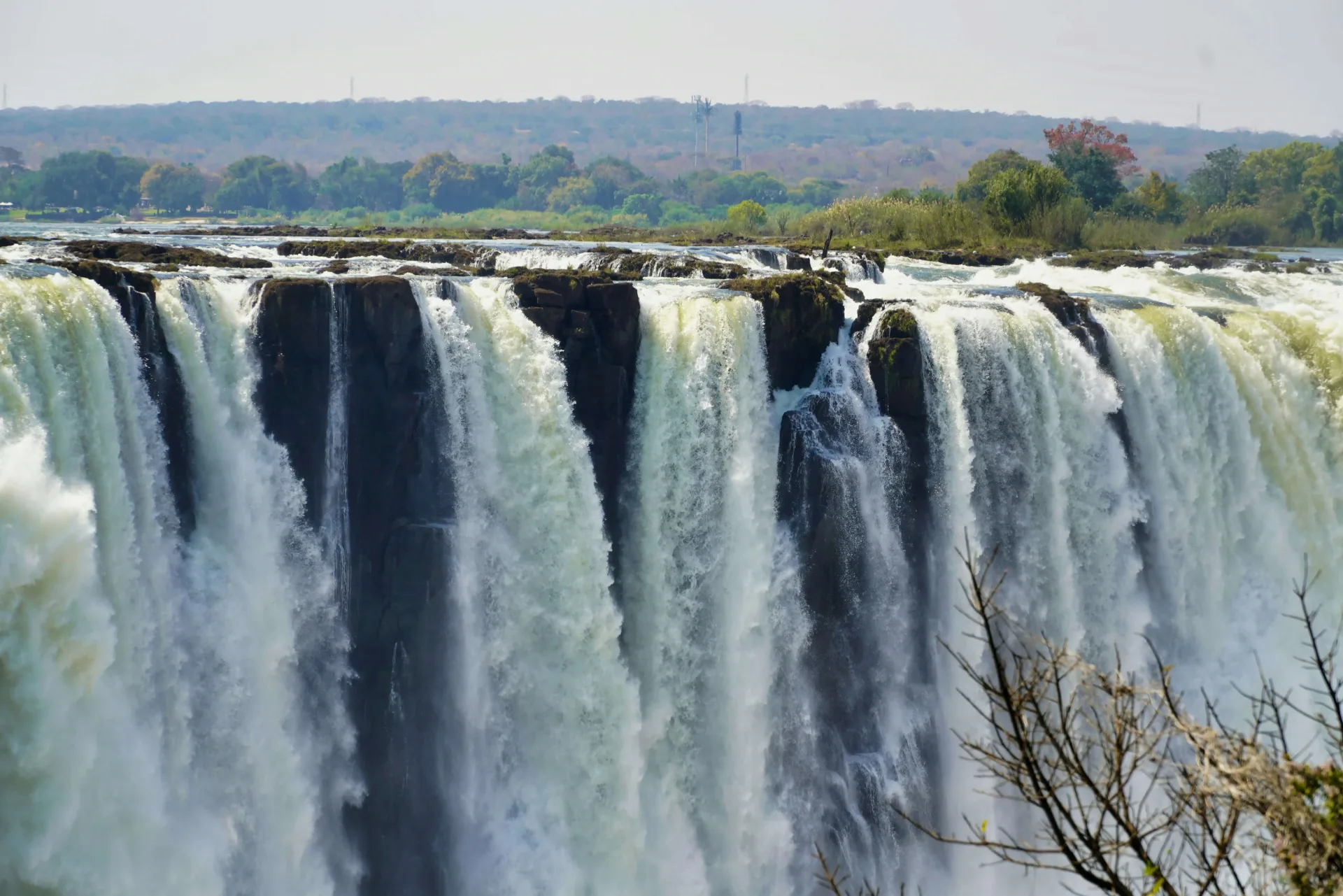
Highlights of Zimbabwe: Victoria Falls & Hwange
Highlights of Zimbabwe: Victoria Falls & Hwange
Zimbabwe
 Adventure
Customizable
Adventure
Customizable
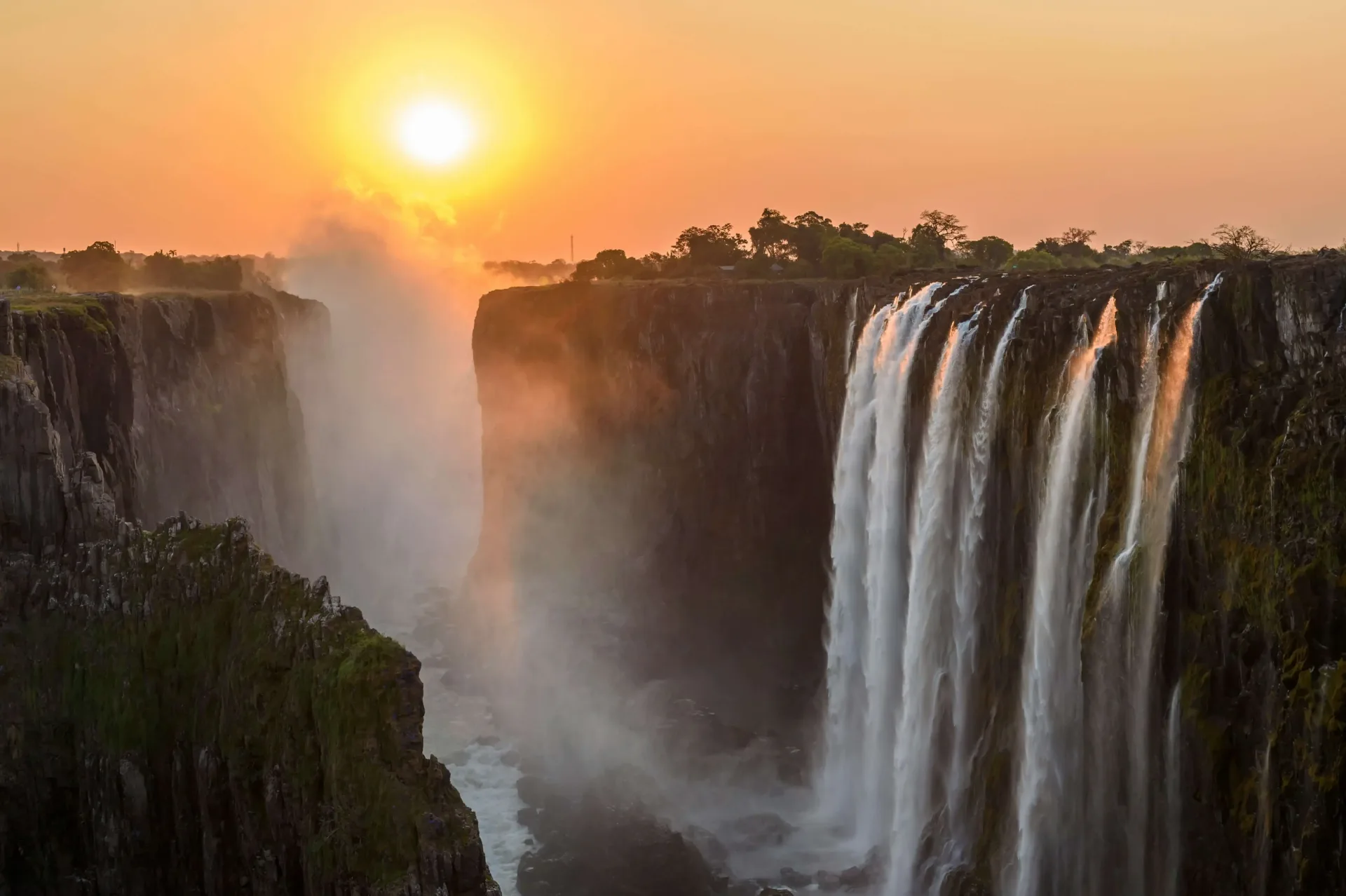
Victoria Falls Adventure: The Smoke that Thunders
Victoria Falls Adventure: The Smoke that Thunders
Zimbabwe
 Adventure
Customizable
Adventure
Customizable
Hwange & Mana Pools: A Great Zimbabwe Safari
Hwange & Mana Pools: A Great Zimbabwe Safari
Zimbabwe