France Tour Packages
Your complete France travel guide, plus handpicked holidays crafted by our experts.
France Travel Guide
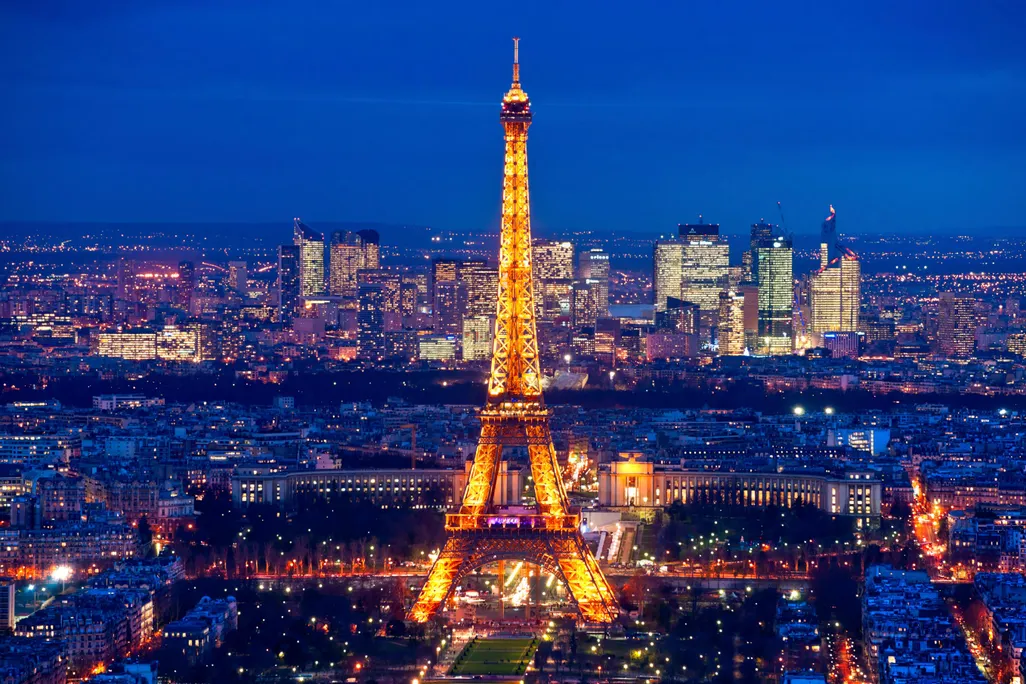
There is a reason France is the most visited country on earth. In one journey you can wake to church bells in a Provençal village, lunch on oysters by the Atlantic, wander a Loire château in the afternoon, and end the evening with a glass of champagne as the Eiffel Tower begins to sparkle.
Our France tour packages take in the boulevards and museums of Paris, the fairy-tale castles of the Loire Valley, the lavender fields and hilltop villages of Provence, the glamour of the French Riviera, the vineyards of Bordeaux and Champagne, and the snow-capped drama of Mont Blanc. Whether you are planning a honeymoon, a family holiday, a food-and-wine pilgrimage or your very first trip to Europe, every France holiday we create is handcrafted around your pace — with handpicked hotels, rail passes and private transfers, and guides who know which door to knock on.
France Travel Guide and Tips
France is superbly easy to travel in — fast trains, beautiful roads, excellent food almost everywhere. The one thing that transforms a trip is understanding a little of how the French do things.
Getting around
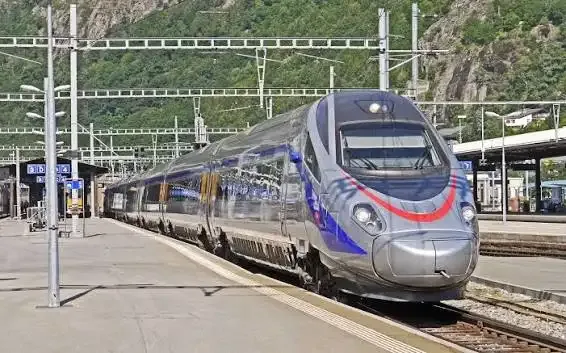
- The TGV is the joy of French travel: Paris to Lyon in two hours, Paris to Avignon in under three, Paris to Nice in about six. Book ahead — fares rise sharply close to departure.
- The Paris Metro is fast, cheap and reaches everywhere. Buy a rechargeable Navigo Easy card.
- Hire a car for the countryside — the Loire, Provence, Dordogne and Alsace are made for it. Motorways (autoroutes) are excellent but tolled.
- Combine the two: train between cities, car for the regions. That is how we usually build a France itinerary.
Money
France uses the Euro (EUR), and cards are accepted virtually everywhere, including contactless for small amounts. Keep a little cash for markets and rural bakeries.
Practical tips
- Always say "Bonjour" first. Entering a shop, approaching a waiter, asking directions — greet before you speak. This is the single most important thing in this guide, and skipping it is why some visitors find the French cold.
- Tipping is not expected — service is included by law (service compris). Round up or leave a couple of euros for good service; that is plenty.
- Ask for "une carafe d'eau" and you will get free tap water. It is entirely normal.
- Book major sights in advance — the Louvre, the Eiffel Tower and Versailles sell timed tickets, and queues without one can be brutal.
- Many shops close on Sundays, and much of the country slows down in August, when the French take their holidays.
- Power is 230V, European two-pin plugs (Type C/E).
- Watch your bag on the Paris Metro and around Sacré-Cœur, Gare du Nord and the Eiffel Tower — pickpocketing is the main nuisance for tourists.
Geography of France
France is the largest country in Western Europe, covering around 550,000 square kilometres. The French call it l'Hexagone for its roughly six-sided shape, and it is a country of extraordinary variety — you can ski in the morning and swim in the Mediterranean the same afternoon.
It borders Belgium, Luxembourg, Germany, Switzerland, Italy, Monaco, Spain and Andorra, and has three very different coasts: the English Channel to the north, the Atlantic to the west, and the Mediterranean to the south.
The landscapes
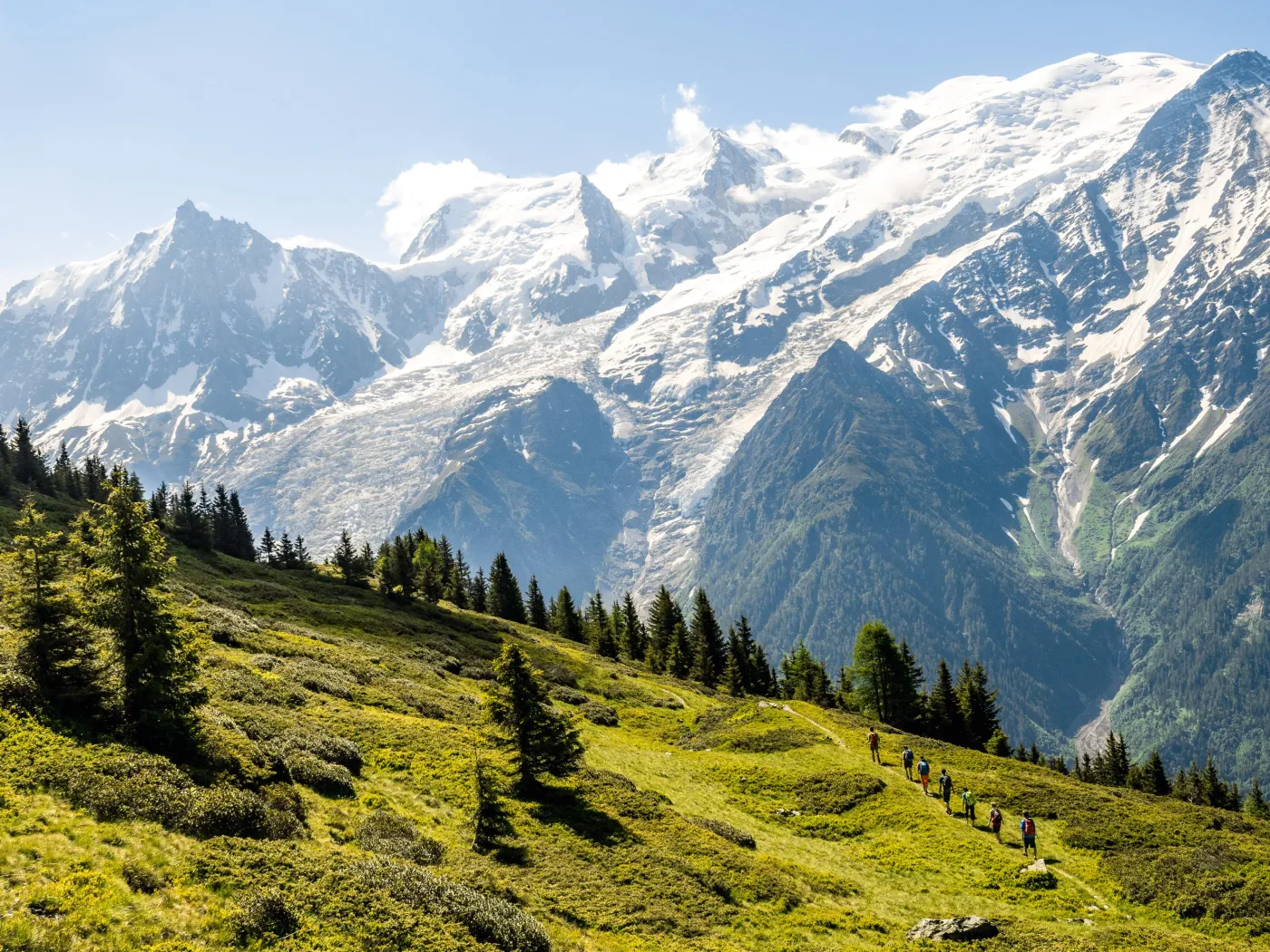
- The Alps — crowned by Mont Blanc (4,806 m), the highest peak in Western Europe, above Chamonix.
- The Pyrenees — the wild mountain wall along the Spanish border.
- The Massif Central — ancient volcanic uplands in the heart of the country.
- The great river valleys — the Loire (France's longest, and its château country), the Seine through Paris and Normandy, the Rhône flowing south to the Camargue, and the Garonne through Bordeaux.
- Provence and the Côte d'Azur — lavender, olive groves, limestone hills and the blue Mediterranean.
- Corsica — the mountainous "Isle of Beauty", out in the Mediterranean.
Climate of France
France has a temperate climate with four clear seasons, but it is large enough to have three distinct climate zones — which is useful, because it means there is always somewhere in France worth being.
The three climates
- Oceanic (west and northwest) — Brittany, Normandy, the Atlantic coast: mild, changeable, and often wet. Rarely extreme in either direction.
- Continental (centre and east) — Paris, Burgundy, Alsace: cold winters and warm-to-hot summers.
- Mediterranean (south) — Provence and the Riviera: hot, dry summers, mild winters and around 300 days of sunshine a year. Watch for the mistral, the cold wind that funnels down the Rhône valley.
By season
Spring (April–June) is lovely: mild, green and full of blossom. Summer (July–August) is hot — 25°C to 35°C in the south — and busy. Autumn (September–October) brings warm days, the wine harvest and golden light. Winter (November–March) is cool and grey in the north, mild on the Riviera, and superb in the Alps, where the ski season generally runs December to April.
Culture of France
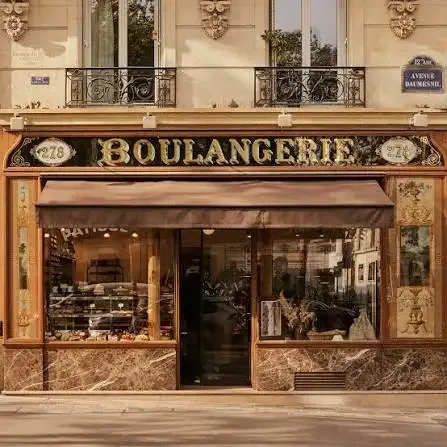
The French take culture seriously — and by culture they mean not only the Louvre and the opera, but the way a meal is eaten, a shop is entered and a conversation is begun. This is a country with a strong sense of how things are done, and travellers who learn a little of it are welcomed warmly.
The essentials
- Politeness is a ritual, not a formality. Bonjour, merci, s'il vous plaît, au revoir. Use them, and doors open. Skip them, and they close.
- L'art de vivre — the art of living well. The long lunch, the apéritif, the terrace, the market on a Sunday morning. Time spent enjoying things is not time wasted.
- Gastronomy as heritage — the "gastronomic meal of the French" is officially recognised by UNESCO. Meals have a structure, and they are not to be rushed.
- La bise — the cheek kisses between friends. Two, three or four, depending on the region. As a visitor, a handshake is perfectly fine.
- Laïcité — France's strict secularism, a defining feature of public life.
- A nation of makers — cinema was invented here, and France remains a powerhouse of art, literature, fashion, architecture and, of course, wine.
France Tourism
France is the most visited country in the world, welcoming close to 100 million international travellers a year — and it earns that title. Few places offer this density of art, architecture, landscape and food, all connected by superb infrastructure.
France has more than 50 UNESCO World Heritage Sites, among them Mont-Saint-Michel, the Palace of Versailles, the banks of the Seine in Paris, the châteaux of the Loire Valley, the historic centre of Strasbourg, the Pont du Gard, and the vineyards of Burgundy and Champagne.
The headline acts
- The Louvre — the most visited museum on earth, and home to the Mona Lisa.
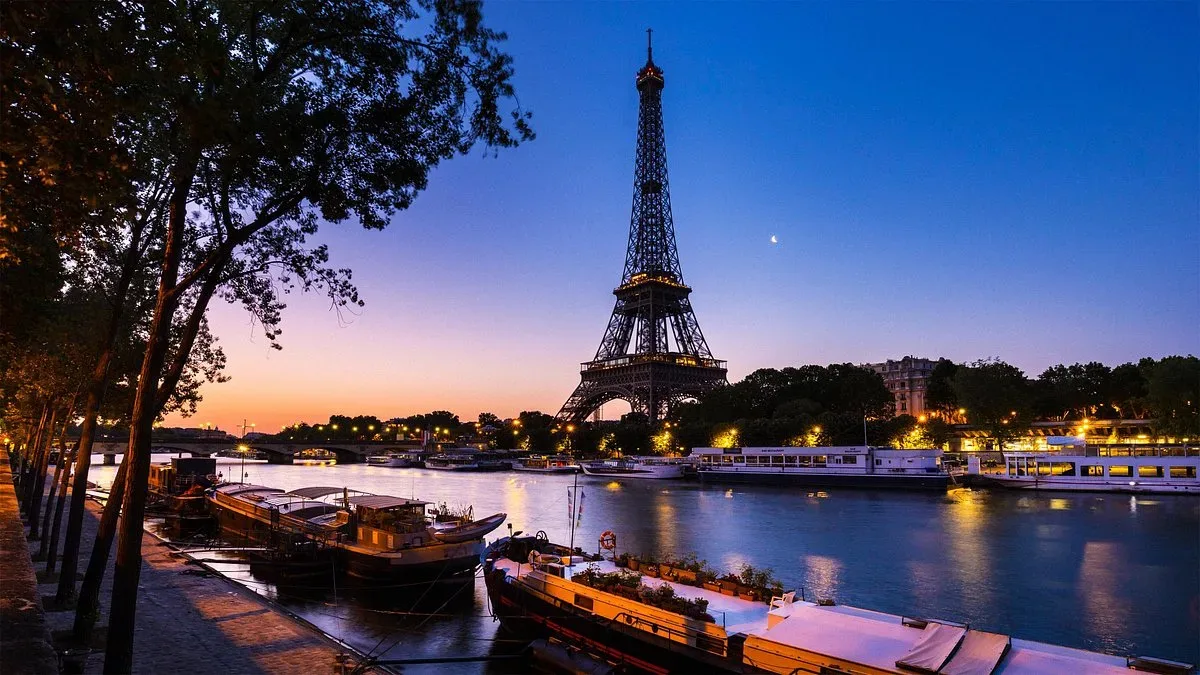
- The Eiffel Tower — still the most romantic silhouette in the world.
- Notre-Dame de Paris — magnificently restored and reopened after the 2019 fire.
- Versailles — the sun king's palace and its gardens, at a scale that has to be seen.
- Mont-Saint-Michel — the abbey rising from the tidal flats of Normandy.
And the France beyond the postcards
Lyon's food, Alsace's half-timbered villages, the prehistoric caves of the Dordogne, the calanques of Marseille, the wild coast of Brittany, the vineyards of Saint-Émilion. France rewards a second visit, and a third.
Things to Do in France
France offers an extraordinary range. These are the experiences our travellers treasure most.
- See the Eiffel Tower sparkle on the hour after dark, from the Champ de Mars or a Seine cruise.
- Spend a morning in the Louvre — and an afternoon in the Musée d'Orsay, which many people love even more.
- Walk Montmartre at dawn, before the crowds, up to Sacré-Coeur.
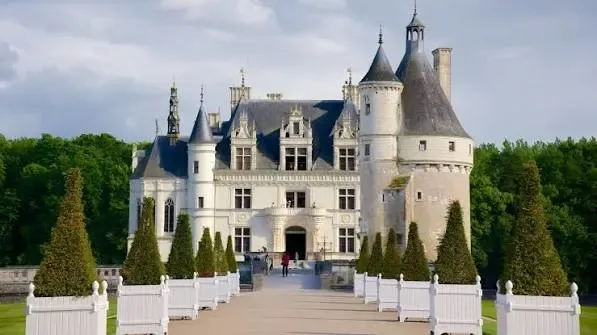
- Tour the Loire châteaux — Chambord for its scale, Chenonceau for its beauty across the river.
- Stand on the D-Day beaches in Normandy, and visit the American cemetery above Omaha.
- Cross to Mont-Saint-Michel and watch the tide sweep across the bay.
- Taste champagne in the cellars of Reims and Épernay, deep underground.
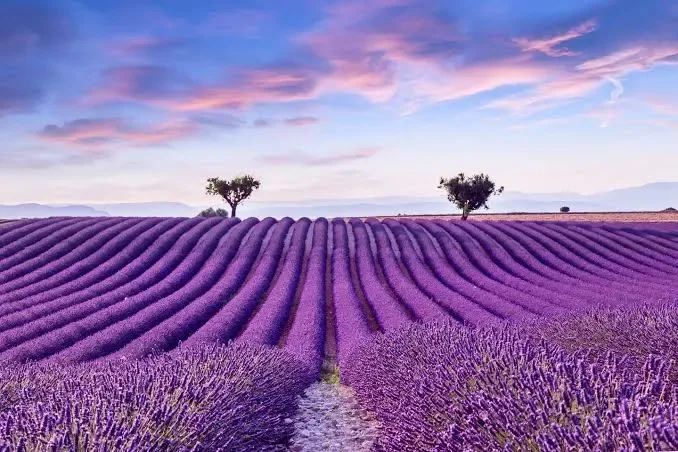
- Drive the Provence hill villages — Gordes, Roussillon, Ménerbes — and the lavender fields in late June and July.
- Take the coast road along the Riviera from Nice to Monaco, and swim in the Mediterranean.
- Ride the cable car to the Aiguille du Midi at Chamonix, for Mont Blanc at eye level.
- Eat in a Lyon bouchon, in the gastronomic capital of France.
- Cycle through the vineyards of Bordeaux or Burgundy, stopping to taste.
- Wander Monet's garden at Giverny, and see the water lilies where he painted them.
Best Time to Visit France
France works all year — the question is what you want from it.
Spring (April to June) — our favourite
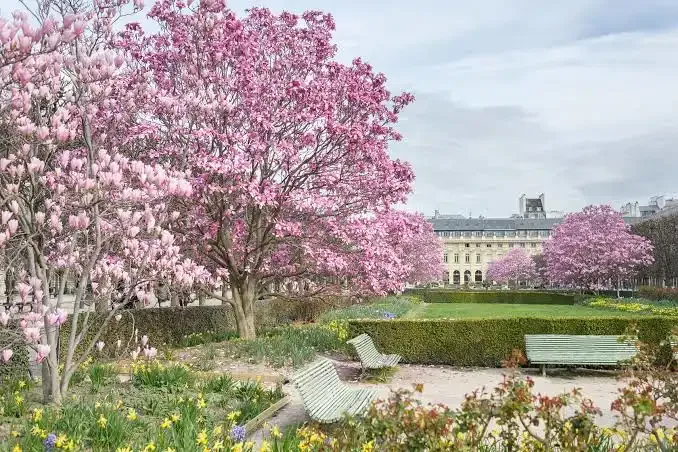
Mild, green and beautiful, with long days and manageable crowds. Paris is at its loveliest in May and June. Note that the lavender of Provence flowers from roughly mid-June to mid-July.
Summer (July to August) — peak season
Hot and lively. The Riviera is in full swing, the Alps are wonderful for hiking, and the festivals are at their best. But it is the busiest and priciest time, cities can be sweltering, and in August much of France goes on holiday — small restaurants and shops in Paris often close.
Autumn (September to October) — excellent value
Warm days, golden light, the grape harvest in the wine regions, and far fewer visitors. Arguably the best time for a food-and-wine trip.
Winter (November to March)
Cool and quiet in the north, with the great compensation of Christmas markets — Strasbourg and Colmar are magical. The Alps ski season runs roughly December to April, and the Riviera stays mild and bright.
Places to Visit in France
France is best travelled by region. These are the ones we build most itineraries around.
- Paris — the Louvre, Musée d'Orsay, Eiffel Tower, Notre-Dame, Montmartre, Le Marais, the Seine, and a thousand cafés. Versailles is a half-day away.
- The Loire Valley — Chambord, Chenonceau, Amboise and Villandry: the greatest concentration of châteaux in Europe.
- Normandy — Mont-Saint-Michel, the D-Day beaches, the cliffs of Étretat and Monet's Giverny.
- Brittany — wild Atlantic coastline, crêperies and the walled corsair city of Saint-Malo.
- Provence — Avignon, Aix-en-Provence, the Luberon villages, lavender fields and the Roman Pont du Gard.
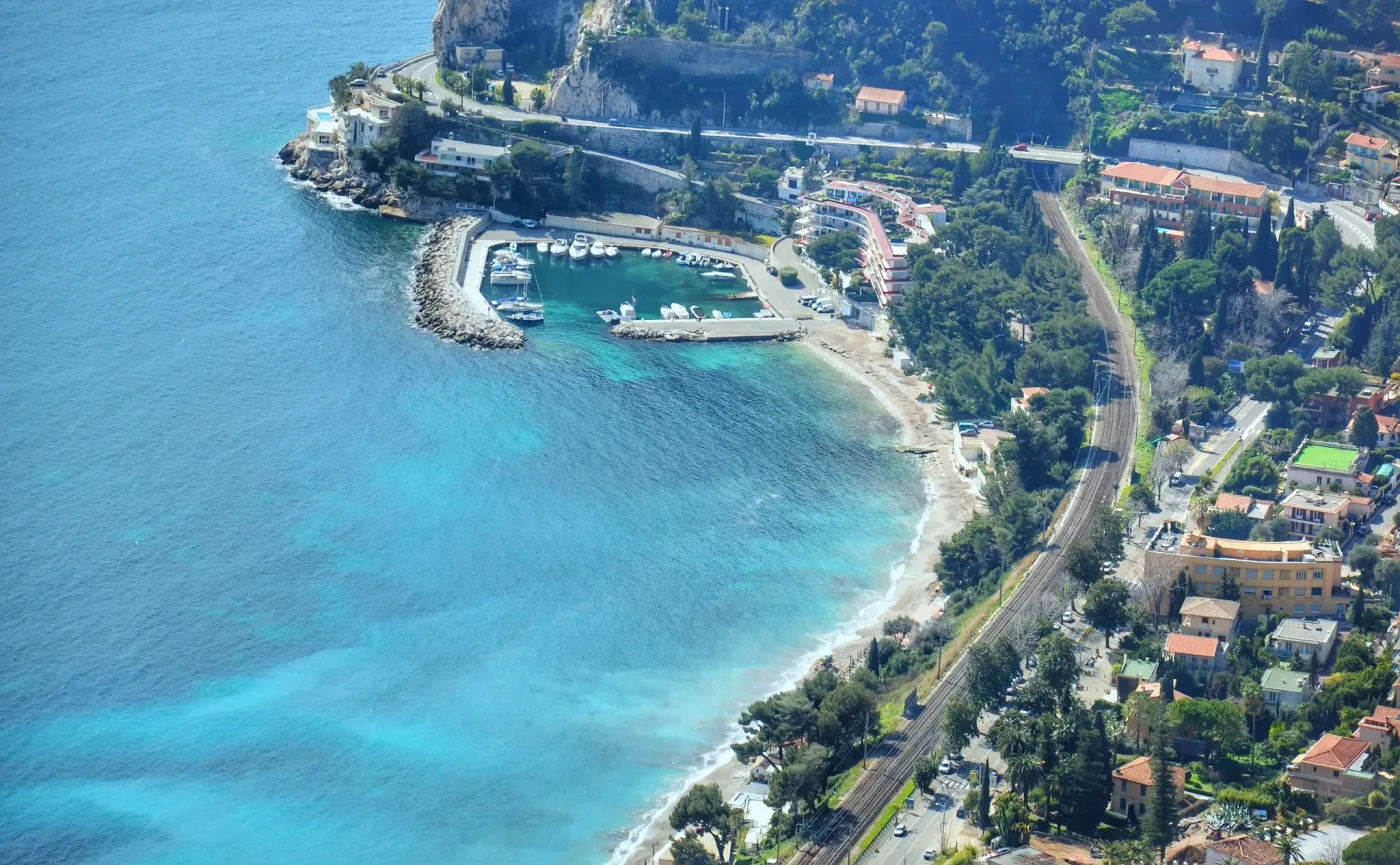
- The French Riviera (Côte d'Azur) — Nice, Cannes, Antibes, Saint-Tropez, Èze and Monaco.
- Bordeaux & the southwest — the wine capital, Saint-Émilion, and the vast Atlantic dunes.
- Burgundy — Beaune, the Côte d'Or, and some of the greatest wine on earth.
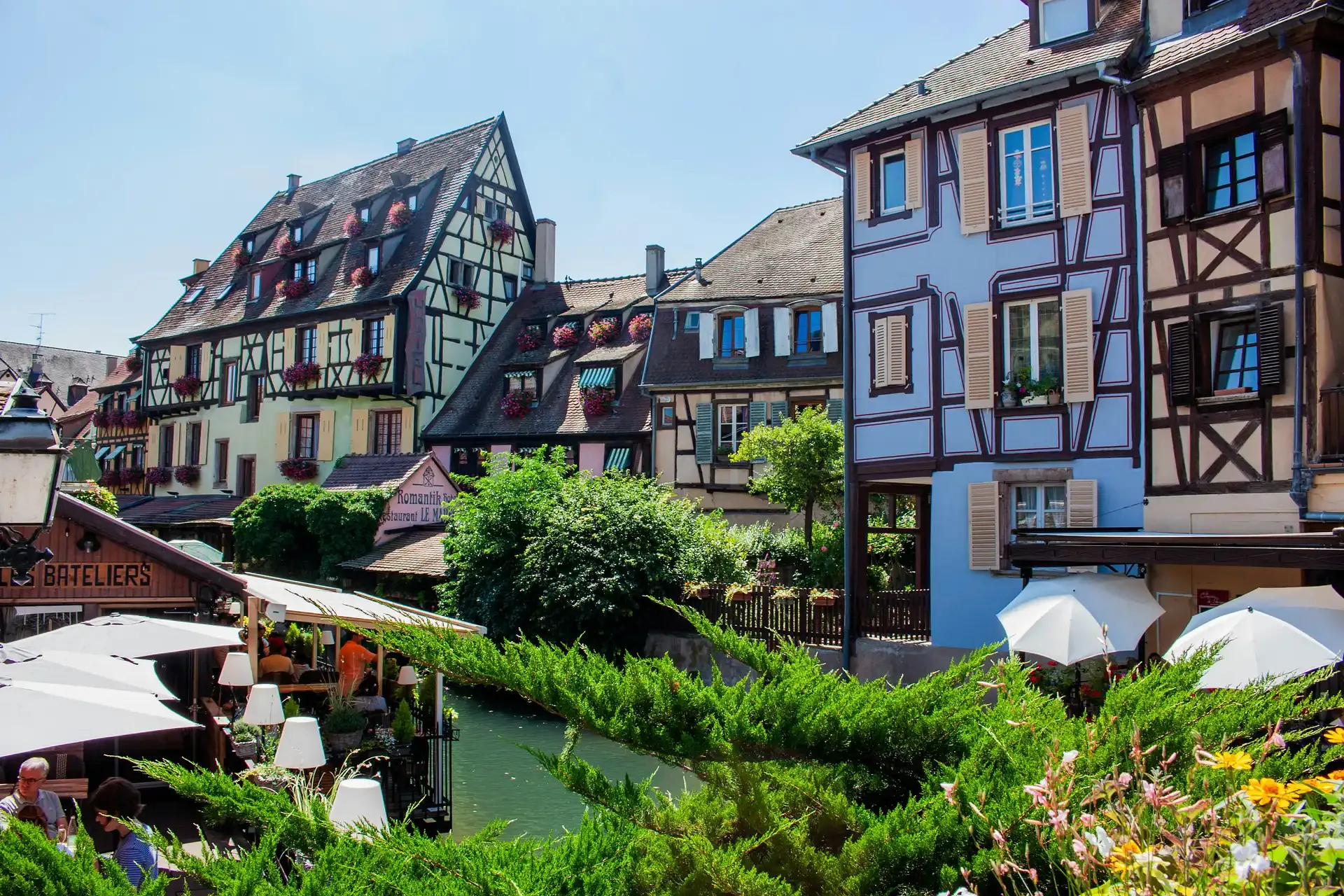
- Alsace — Strasbourg and Colmar, storybook half-timbered villages and the wine route.
- The French Alps — Chamonix and Mont Blanc, and the beautiful lakeside town of Annecy.
- Lyon — France's gastronomic heart, with a superb Renaissance old town.
- The Dordogne — castles, foie gras, and the prehistoric cave paintings of Lascaux.
Food and Restaurants in France
France is where much of the modern culinary world was invented, and food here is not a category of life — it is the point of it. The good news for travellers: eating brilliantly in France does not require a Michelin star or a fortune.
What to eat
- The baguette and the croissant — the French baguette is recognised by UNESCO. Buy one still warm and eat half on the walk home. Everyone does.
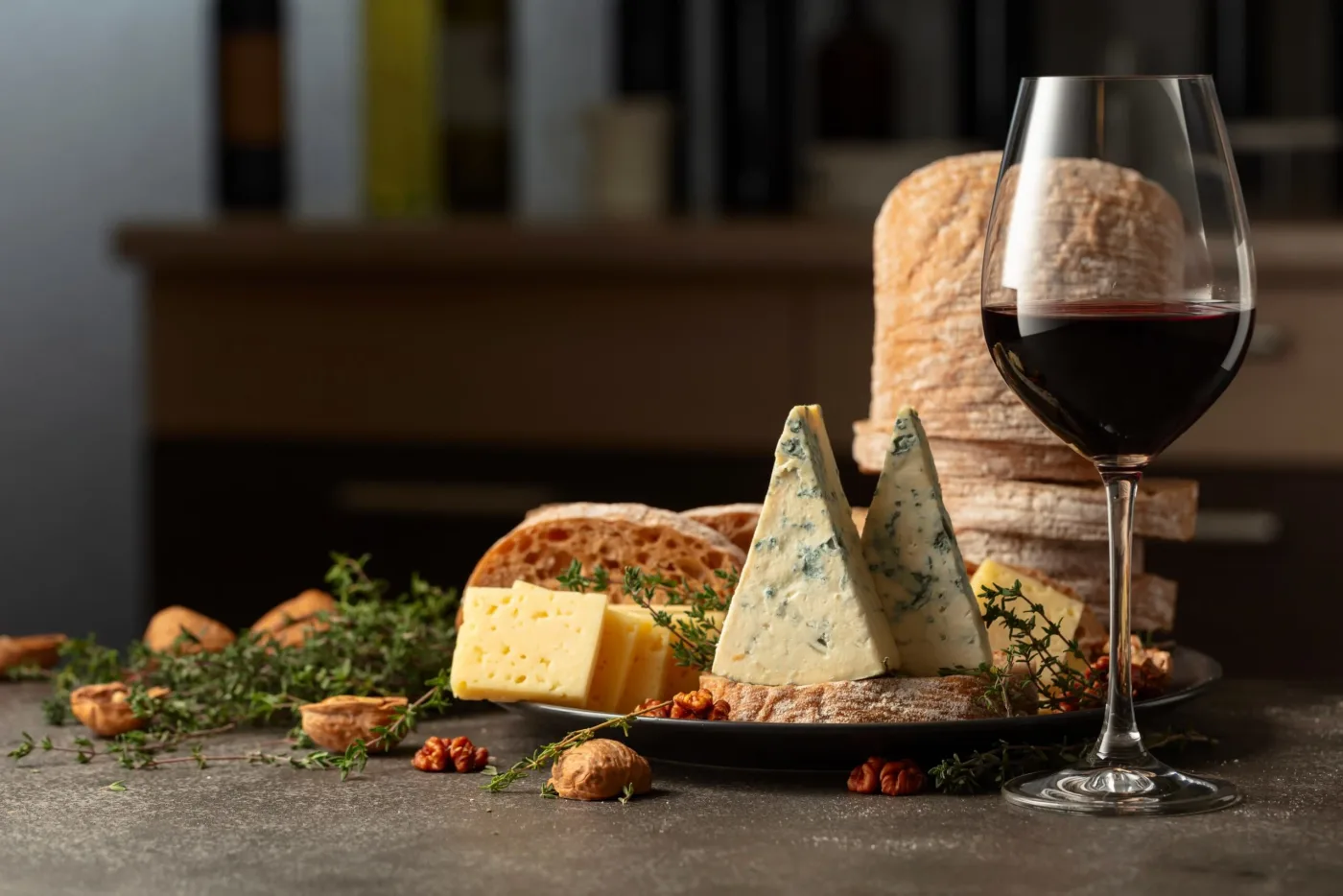
- Cheese — France has hundreds of them: Comté, Camembert, Roquefort, Brie, Reblochon. A cheese course comes before dessert, not after.
- Boeuf bourguignon & coq au vin — the great slow-cooked Burgundian classics.
- Cassoulet — the rich bean, duck and sausage stew of the southwest.
- Bouillabaisse — the saffron-scented fish stew of Marseille.
- Duck confit & foie gras — the soul of Gascon cooking.
- Galettes and crêpes — savoury buckwheat and sweet, in Brittany, with cider.
- Choucroute — Alsace's hearty sauerkraut and charcuterie.
- Steak-frites, moules-frites, escargots — the bistro canon.
- Pâtisserie — macarons, éclairs, tarte tatin, crème brûlée, mille-feuille.
And the wine
Bordeaux, Burgundy, Champagne, the Loire, the Rhône, Alsace, Provence — each region has its own grapes, its own rules and its own fierce pride. House wine (vin de la maison) in a good bistro is almost always excellent value.
Where to eat
Book a table for dinner, especially in Paris. Lunch is the best-value meal of the day — look for the formule or menu du jour. Shop the morning markets, eat in bistros and bouchons rather than tourist restaurants with photo menus, and let a meal take its time. We are happy to arrange food tours, market walks, cooking classes and cellar visits.
Festivals and Events in France
The French calendar is generous with celebration — and much of it takes place in the street.
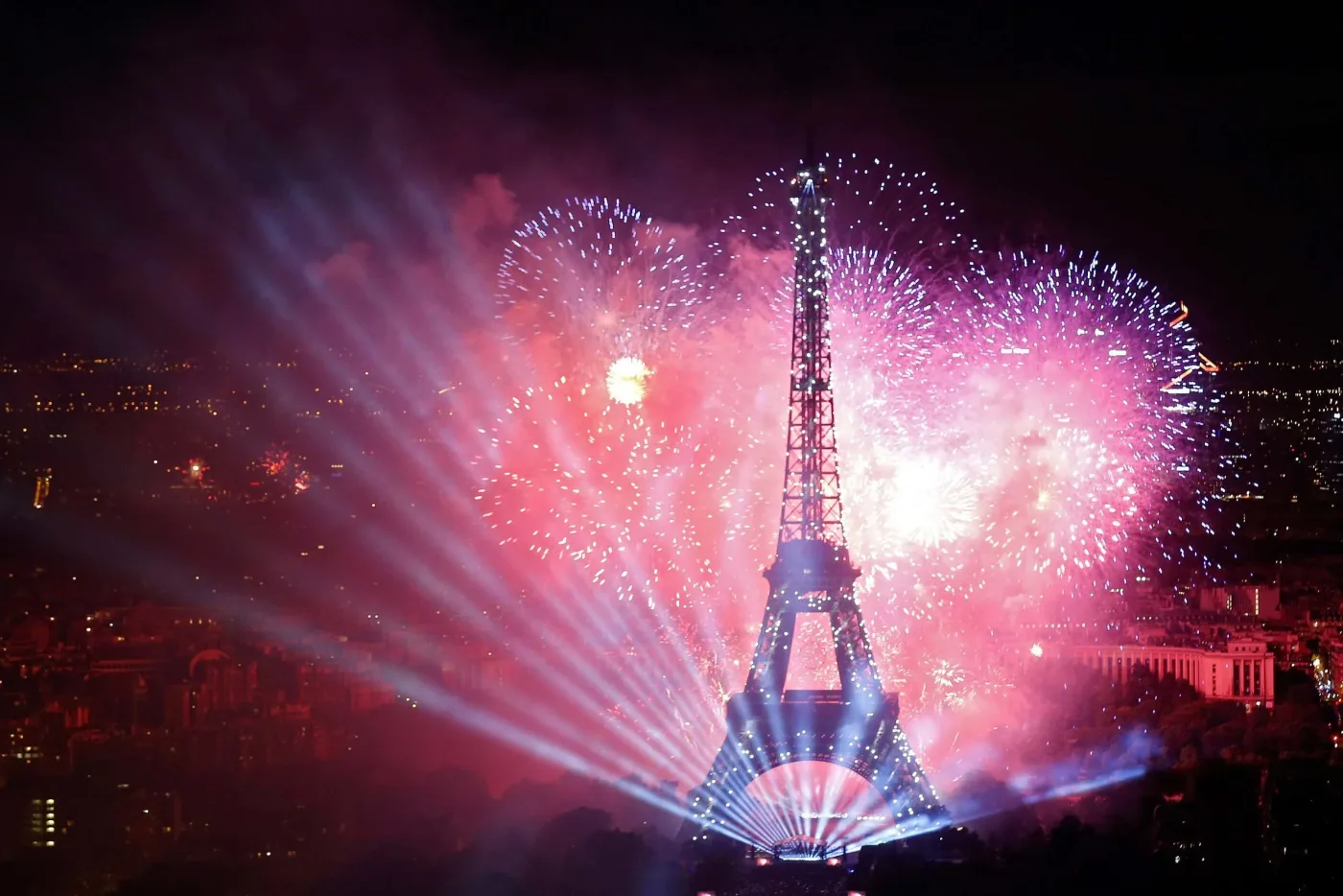
- Bastille Day (14 July) — the national day: a military parade down the Champs-Élysées, village dances, and fireworks beneath the Eiffel Tower.
- Fête de la Musique (21 June) — on midsummer's day the whole country becomes a stage. Free music on every corner, from string quartets to garage bands. Wonderful.
- Cannes Film Festival (May) — the most glamorous fortnight on the Riviera.
- The Tour de France (July) — three weeks, and the roadside is free.
- Nice Carnival (February) — floats, flower battles and one of Europe's great carnivals.
- Avignon Festival (July) — the vast theatre festival that takes over an entire medieval city.
- Fête des Lumières, Lyon (early December) — four nights when the whole city is transformed by light installations.
- Christmas markets (late November to December) — Strasbourg and Colmar in Alsace are among the most beautiful in the world.
- The grape harvest (September–October) — and Beaujolais Nouveau on the third Thursday of November.
Tell us when you plan to travel and we will build the right festivals into your itinerary.
France Visa
France is part of the Schengen Area, so a Schengen visa (or visa-free entry) covers France along with 20-plus other European countries.
Visa-free entry
Citizens of many countries — including the UK, USA, Canada, Australia, Japan and Singapore — can enter France without a visa for tourism, for up to 90 days within any 180-day period across the whole Schengen Area. That 90/180 rule is cumulative, so keep track if you travel to Europe often.
Schengen visa
Nationals of many other countries, including India, must apply for a short-stay Schengen visa (Type C) before travelling. Apply through the French consulate or its official visa partner (usually VFS Global), ideally several weeks in advance — appointment slots can be scarce in peak season.
What a Schengen application typically requires
- A passport valid for at least three months beyond your intended departure, issued within the last 10 years, with two blank pages.
- Travel medical insurance with minimum €30,000 of cover, valid across the Schengen Area. This is mandatory.
- Confirmed return flights and hotel bookings, and a day-by-day itinerary.
- Bank statements proving sufficient funds, plus proof of employment or studies.
- Biometrics (fingerprints and photo) at the application centre.
Apply to the country where you will spend the most nights — if that is France, apply to France.
Coming soon: EES and ETIAS
The EU is introducing a biometric Entry/Exit System (EES) at its borders, and ETIAS — a paid online travel authorisation that visa-exempt travellers (such as UK and US citizens) will need before flying. Timelines have shifted repeatedly, so check the current status before you travel.
Important: visa rules and processing times change. Always check the official French consulate or EU sources before booking. If you travel with us, we will confirm what you need and help you prepare a strong application — including the itinerary and hotel confirmations the consulate expects.
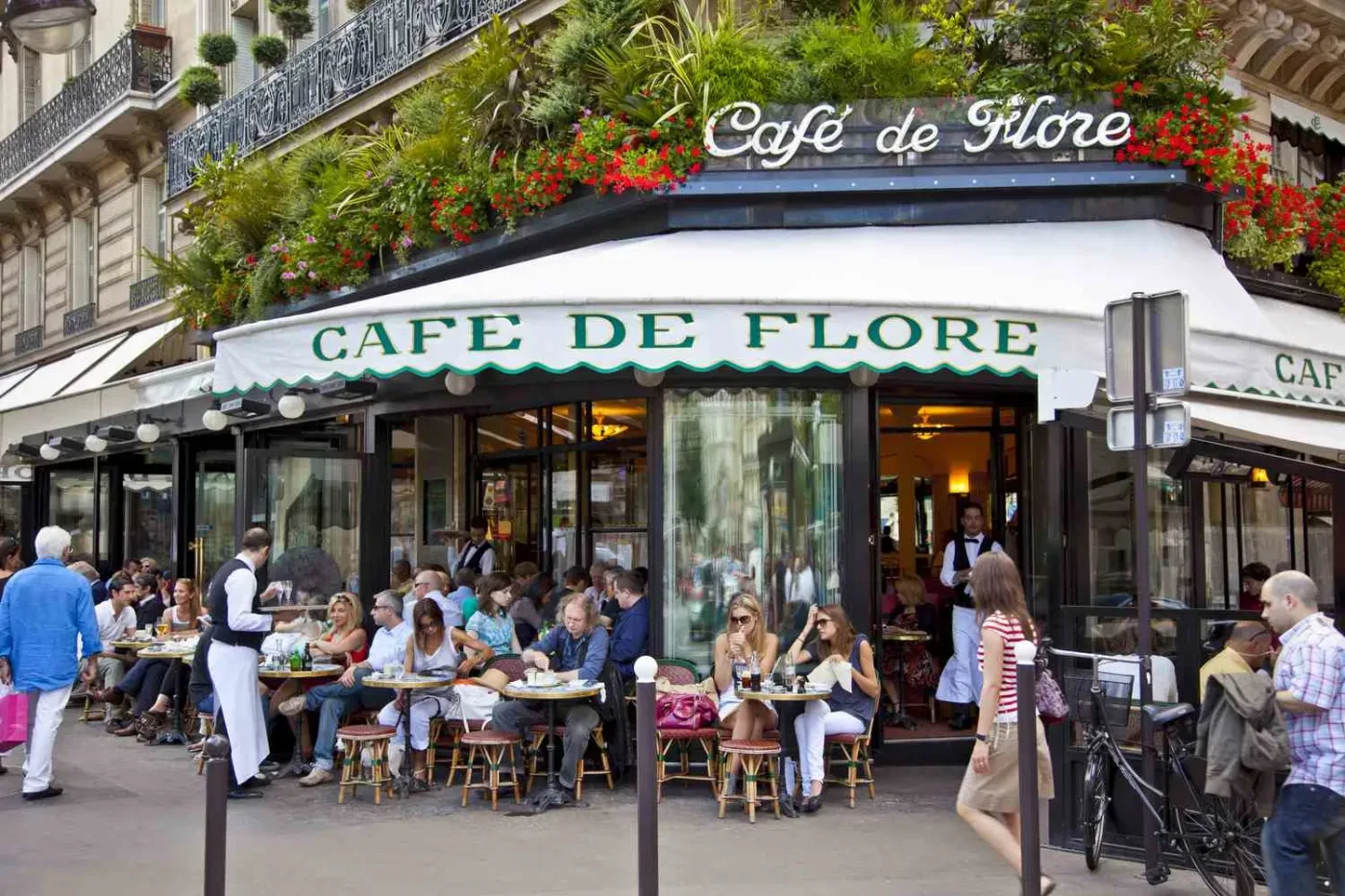
Do's and Don'ts in France
France has a reputation for being unwelcoming. It is almost entirely undeserved — and it usually comes down to one small piece of etiquette that visitors don't know.
Do
- Say "Bonjour" before anything else. Every shop, every café, every question to a stranger. It is not optional, and it is the difference between a warm response and a cold one. In the evening, bonsoir.
- Try a little French. Even a clumsy attempt is appreciated far more than assuming English. Most people will then happily switch to English to help you.
- Dress reasonably well. The French dress with care; smart-casual will never be wrong.
- Take your time over a meal. Lingering is the point. You will usually need to ask for the bill (l'addition, s'il vous plaît) — it will not be brought to hurry you along.
- Keep your voice down in restaurants and on public transport.
- Book major attractions in advance, and validate/keep your train tickets.
- Watch your belongings on the Paris Metro and at crowded landmarks.
Don't
- Don't launch straight into English. Greet first, then ask "Parlez-vous anglais?".
- Don't over-tip. Service is included; rounding up is quite enough, and a large tip can look faintly odd.
- Don't expect to eat at any hour. Kitchens typically serve roughly 12:00–14:00 and 19:30–22:00. Turn up at 17:00 and you will be offered a drink, not a meal.
- Don't ask for lots of substitutions — the chef has decided, and that is rather the point.
- Don't assume shops will be open on Sunday, or in August.
- Don't discuss money or income. It is considered impolite.
- Don't picnic or eat while walking in a formal setting — but do picnic in a park. That is entirely French.
Our France Holiday Packages
Handpicked France holidays, ready to book or tailor entirely to you.
 City Tour
Customizable
City Tour
Customizable
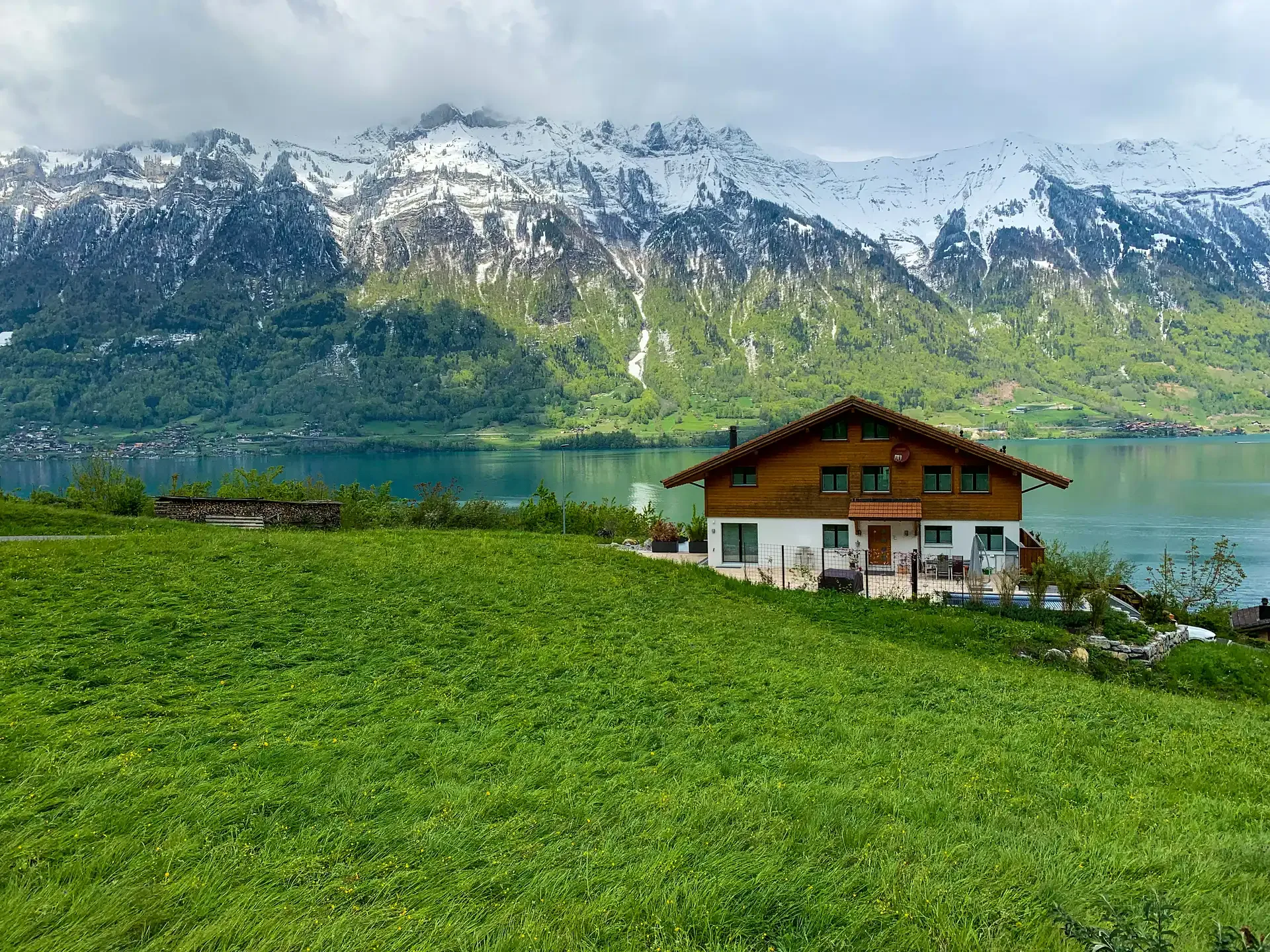
Paris & Switzerland: France-Swiss Grand Journey
Paris & Switzerland: France-Swiss Grand Journey
Paris, Lucerne, Interlaken, Zermatt & Geneva, Switzerland & France
 City Tour
Customizable
City Tour
Customizable
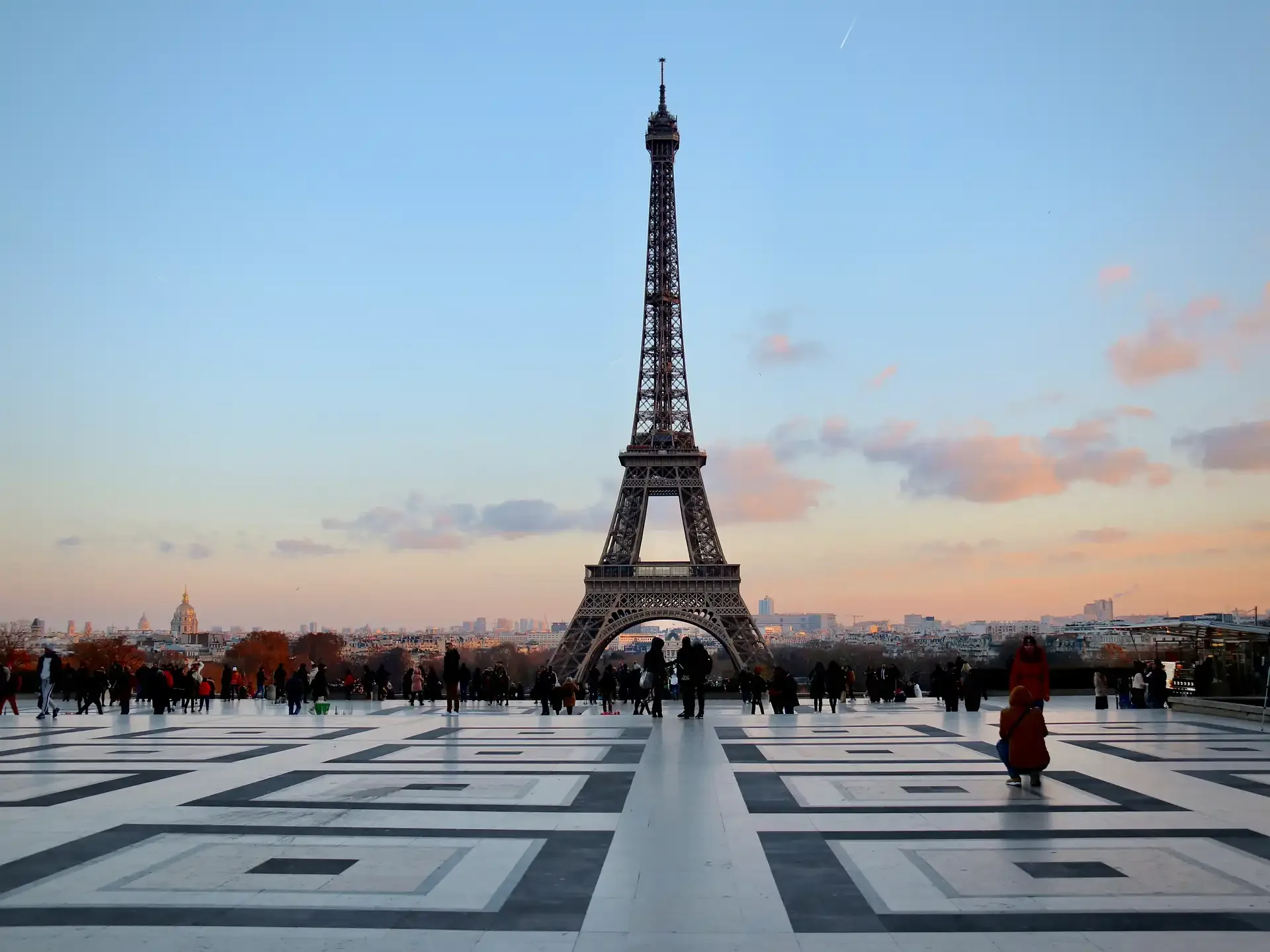
Paris City Break
Paris City Break
Paris, France
 City Tour
Customizable
City Tour
Customizable
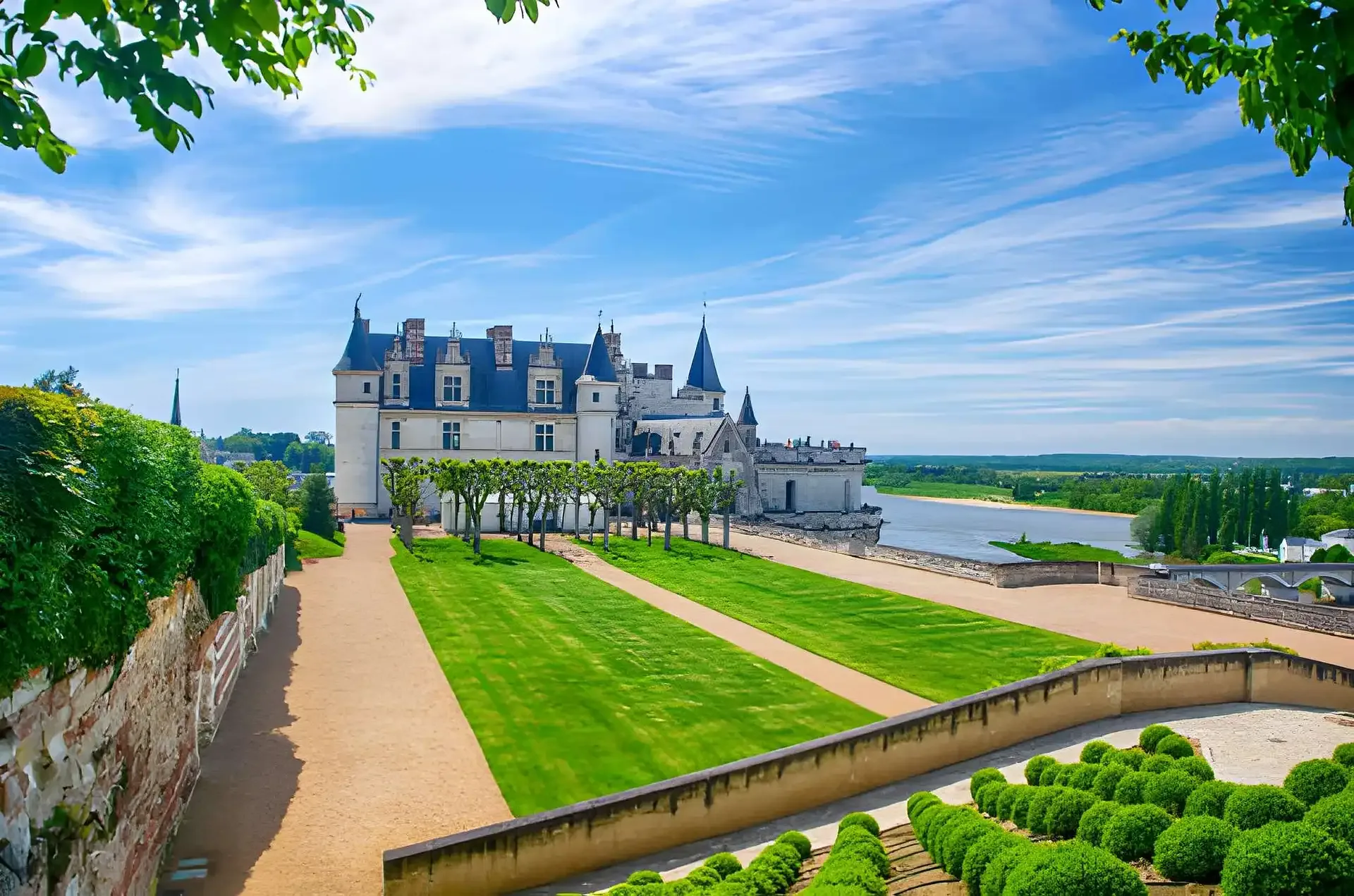
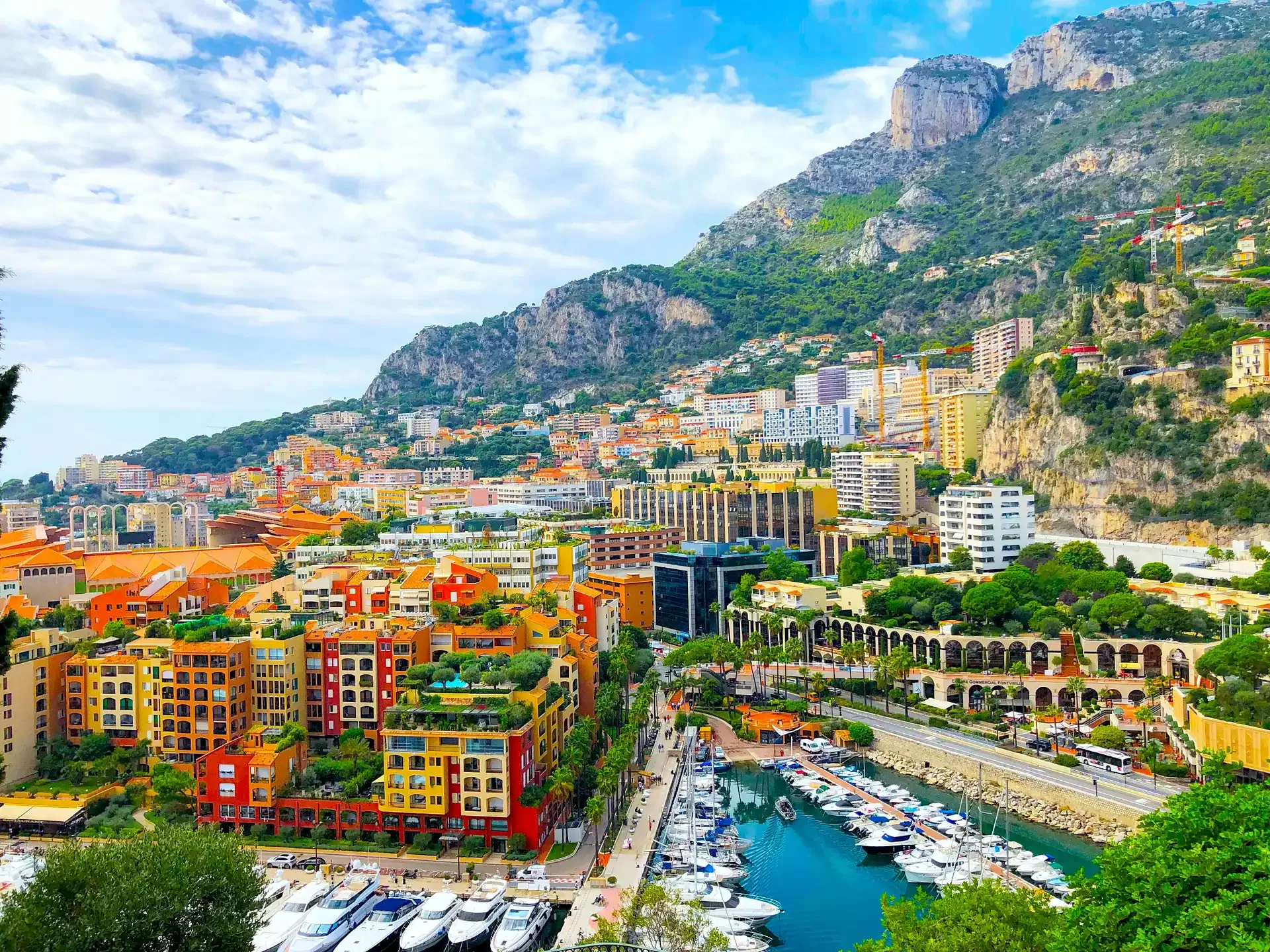
Paris & the Loire Valley Chateaux
Paris & the Loire Valley Chateaux
Paris & the Loire Valley, France
 City Tour
Customizable
City Tour
Customizable
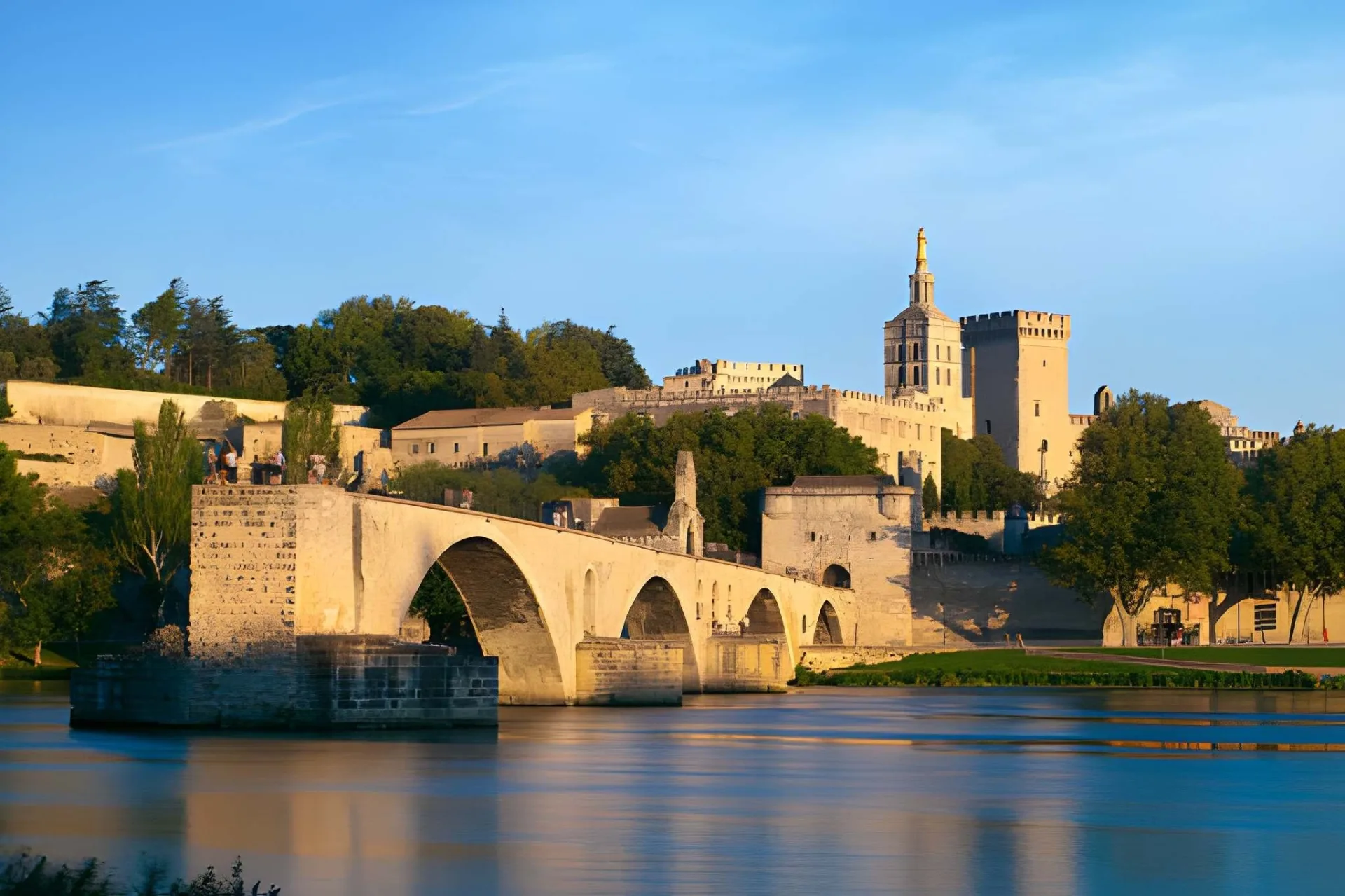
Romance of Paris & the French Riviera
Romance of Paris & the French Riviera
Paris & the French Riviera, France
 Beach
Customizable
Beach
Customizable
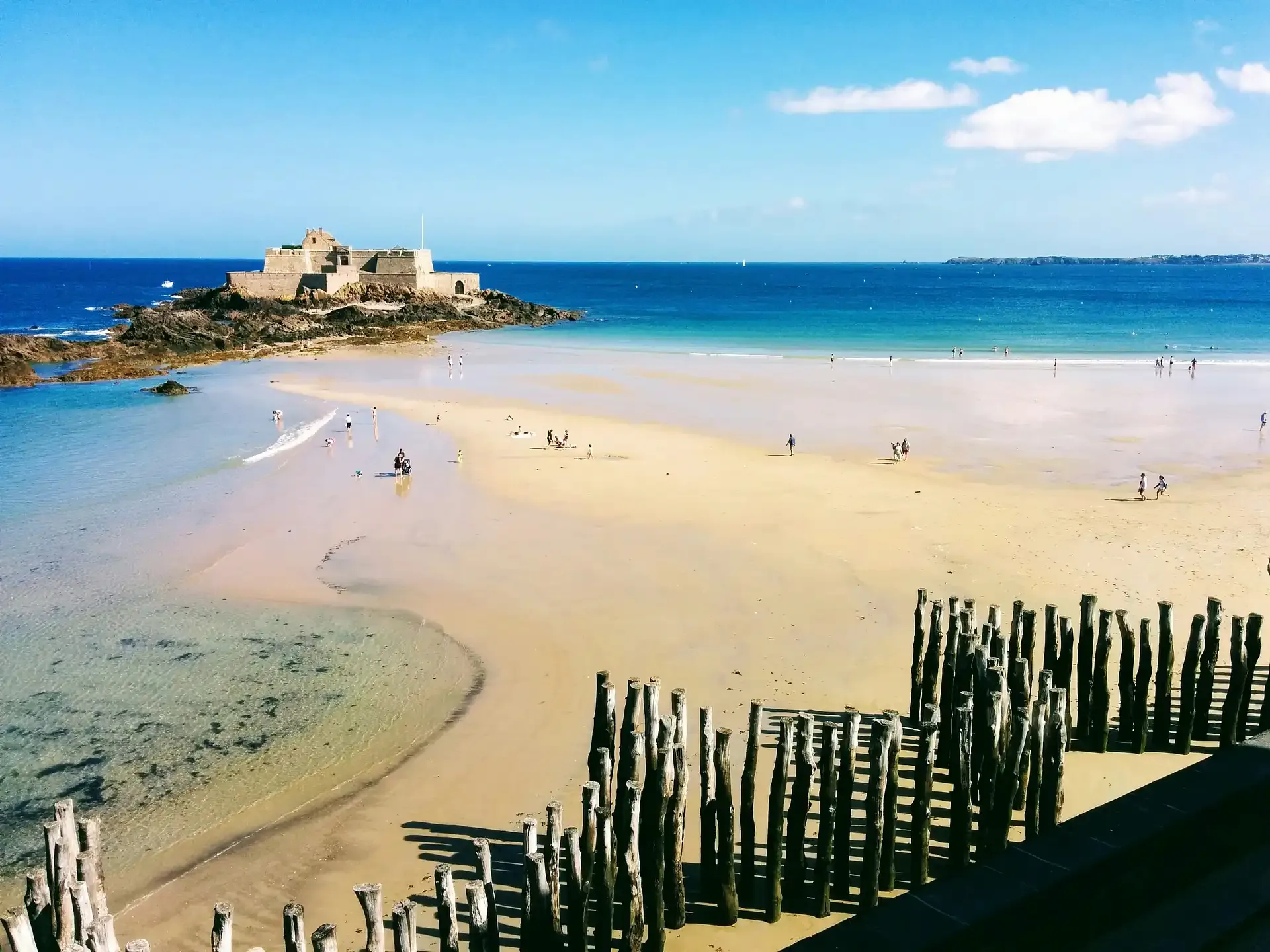
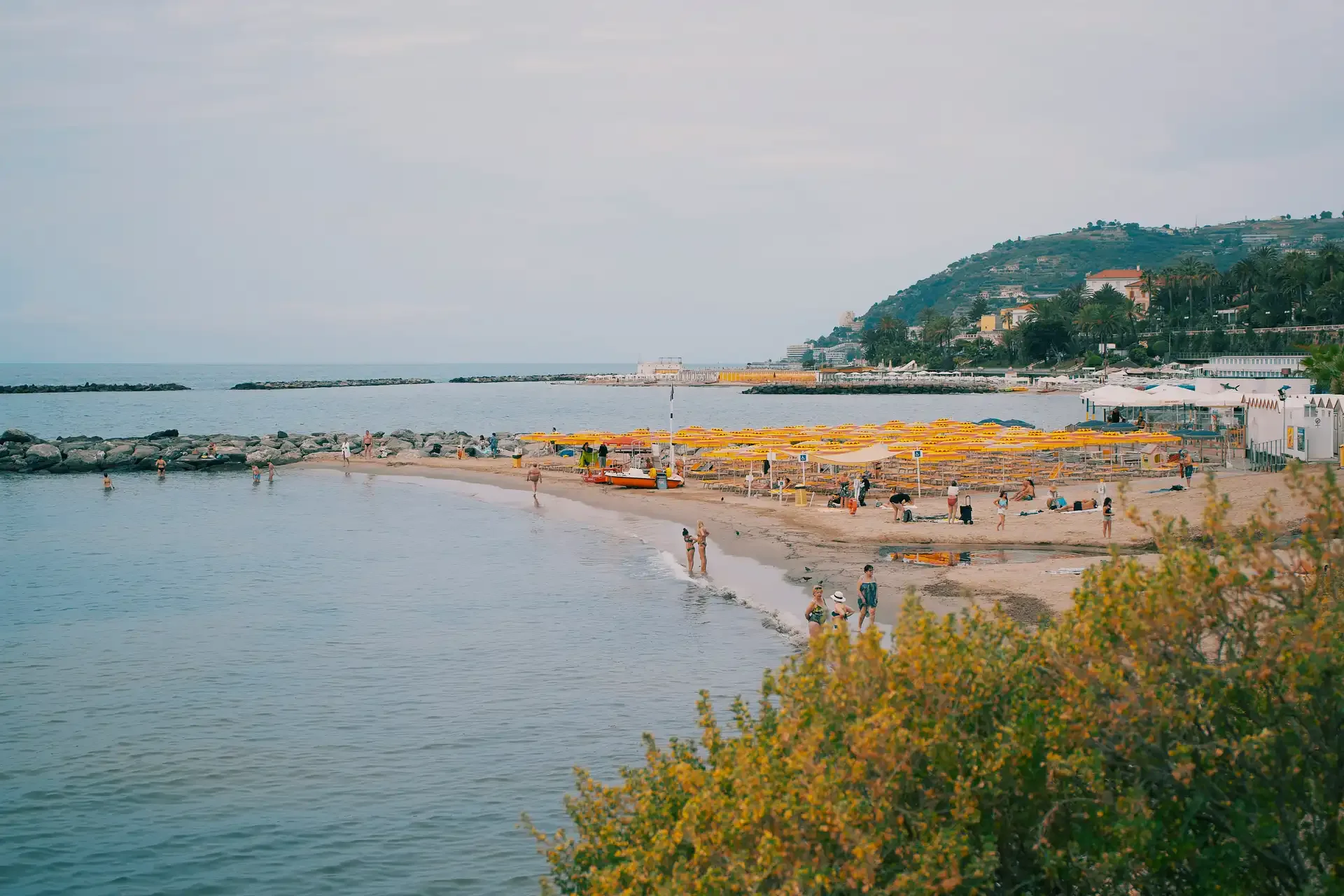
Provence & the French Riviera
Provence & the French Riviera
Provence & the French Riviera, France
 Cultural
Customizable
Cultural
Customizable
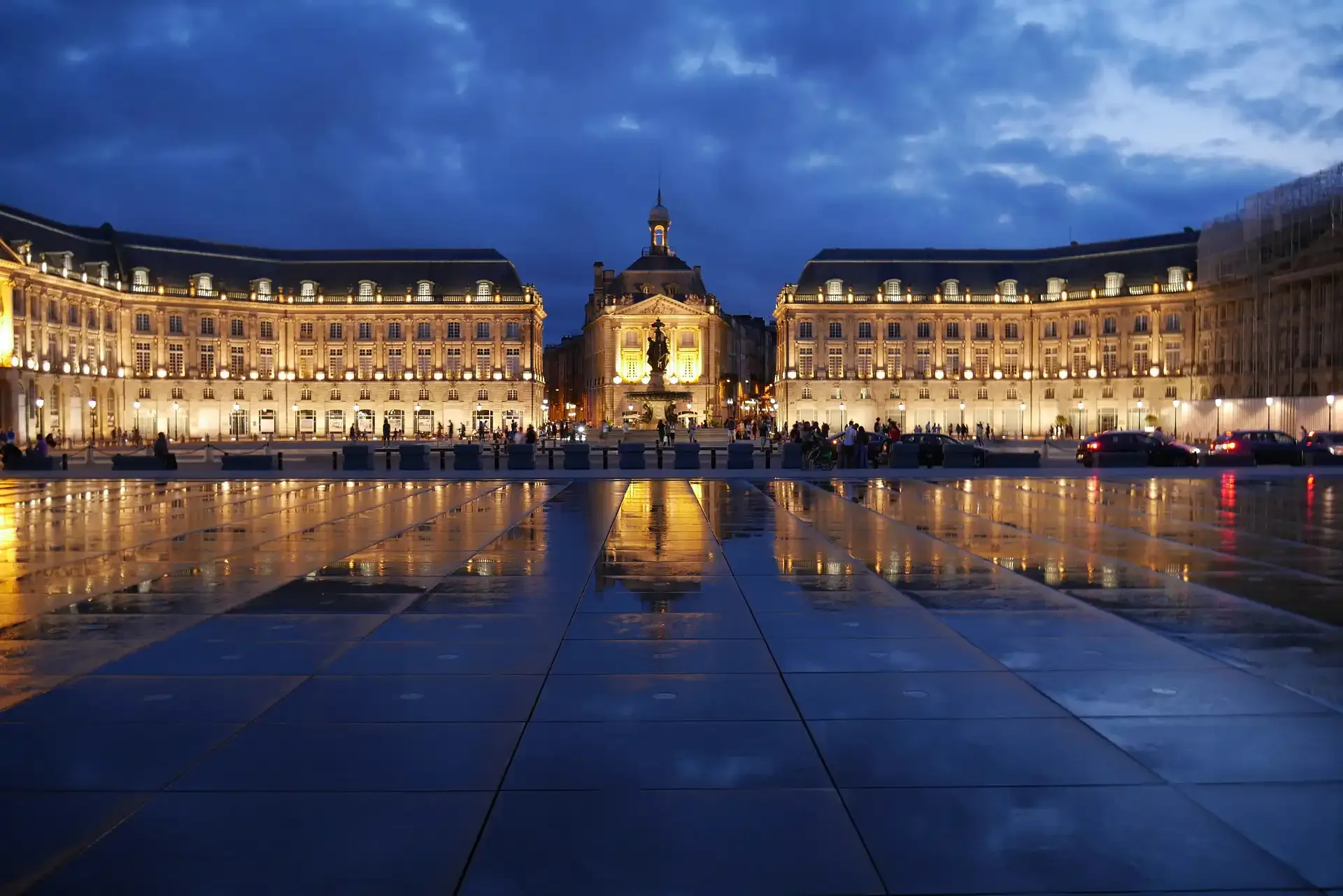
Normandy & Brittany Coastal Journey
Normandy & Brittany Coastal Journey
Normandy & Brittany, France
 Cultural
Customizable
Cultural
Customizable
Bordeaux & the Dordogne: Wine and Villages
Bordeaux & the Dordogne: Wine and Villages
Bordeaux & the Dordogne, France
 City Tour
Customizable
City Tour
Customizable
Alsace & Champagne: Villages and Bubbles
Alsace & Champagne: Villages and Bubbles
Alsace & Champagne, France
 Adventure
Customizable
Adventure
Customizable
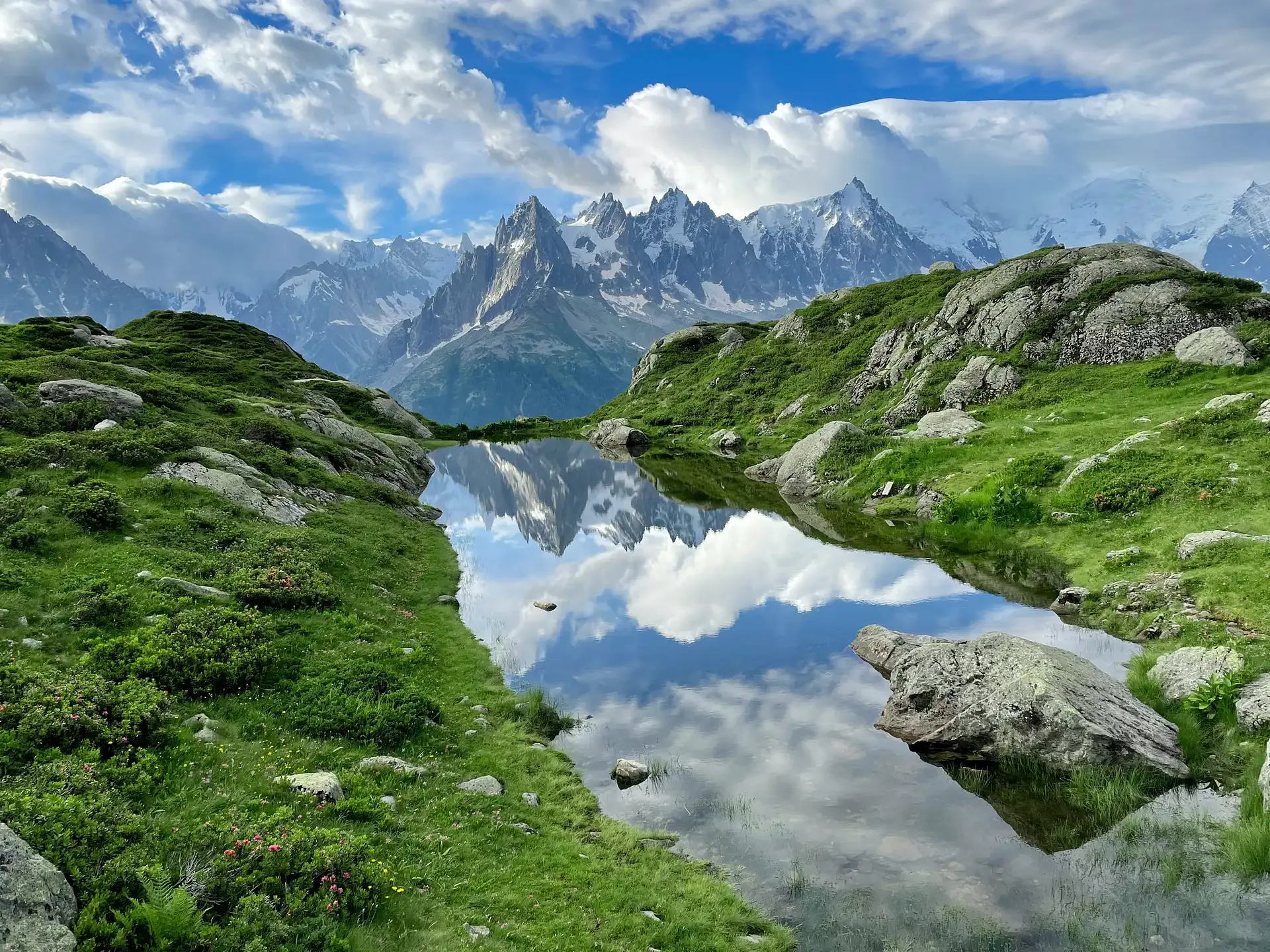
French Alps: Chamonix & Mont Blanc
French Alps: Chamonix & Mont Blanc
Chamonix & Annecy, France
 City Tour
Customizable
City Tour
Customizable
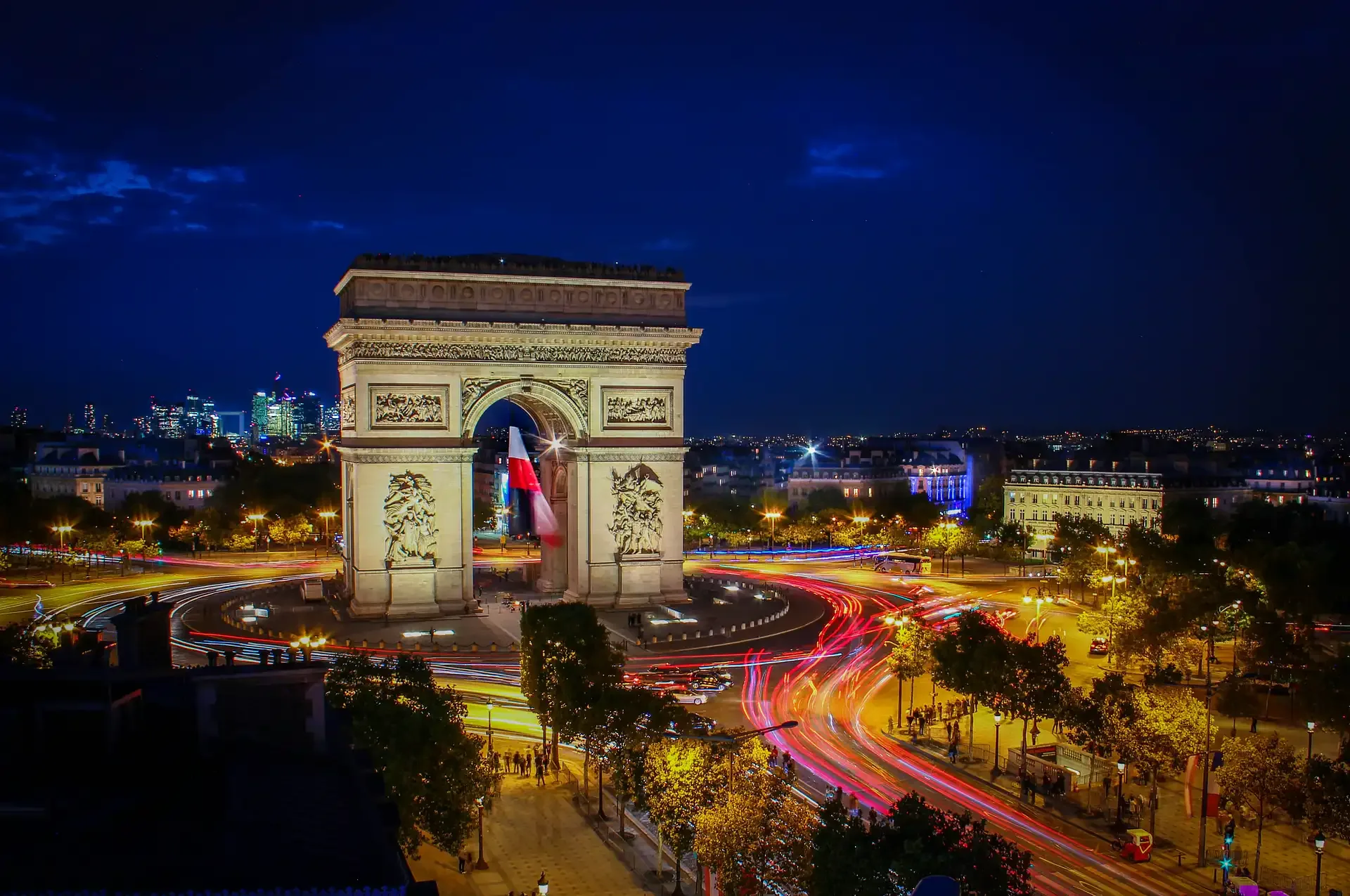
Grand Tour of France
Grand Tour of France
Paris, Loire, Bordeaux, Provence & the Riviera, France
 Honeymoon
Customizable
Honeymoon
Customizable
Luxury France: Paris, Champagne & the Riviera
Luxury France: Paris, Champagne & the Riviera
Paris, Champagne & the French Riviera, France
 Cultural
Customizable
Cultural
Customizable
Paris City of Lights Getaway
Paris City of Lights Getaway
Paris, France
Recently Booked Itineraries
Real journeys booked by travellers this week. Get inspired and plan your own unforgettable trip.
Grand Scandinavian Explorer
$3,349 /person
Enchanting Bali & Java
$1,759 /person
Classic Italy Discovery
$2,535 /person
Thailand Island Hopper
$1,190 /person
Dubai & Abu Dhabi Luxe
$1,590 /person
Kenya Safari Adventure
$3,075 /person
Swiss Alps & Paris Romance
$4,099 /person
Australia East Coast Escape
$4,640 /person
France Travel FAQs
Everything travellers usually ask us before booking a France holiday.
What is the best time to visit France?
How many days do I need in France?
Do I need a Schengen visa for France?
Is France expensive?
What are the must-see places in France?
How do I get around France?
Do I need to speak French?
Should I pre-book the Eiffel Tower and the Louvre?
Is Paris safe?
What is the food like and do I need reservations?
What is the currency in France?
Is France good for families?
Should I tip in France?
Can I do a day trip from Paris?
Can you customise a France package?
Plan Your France Trip
Tell us what you have in mind and our experts will craft a France itinerary around you.