
8 Days • 7 Nights
Roots of Ghana: Slave-Route Heritage & the Door of No Return
Tour Includes
About the Trip
Trip Highlights
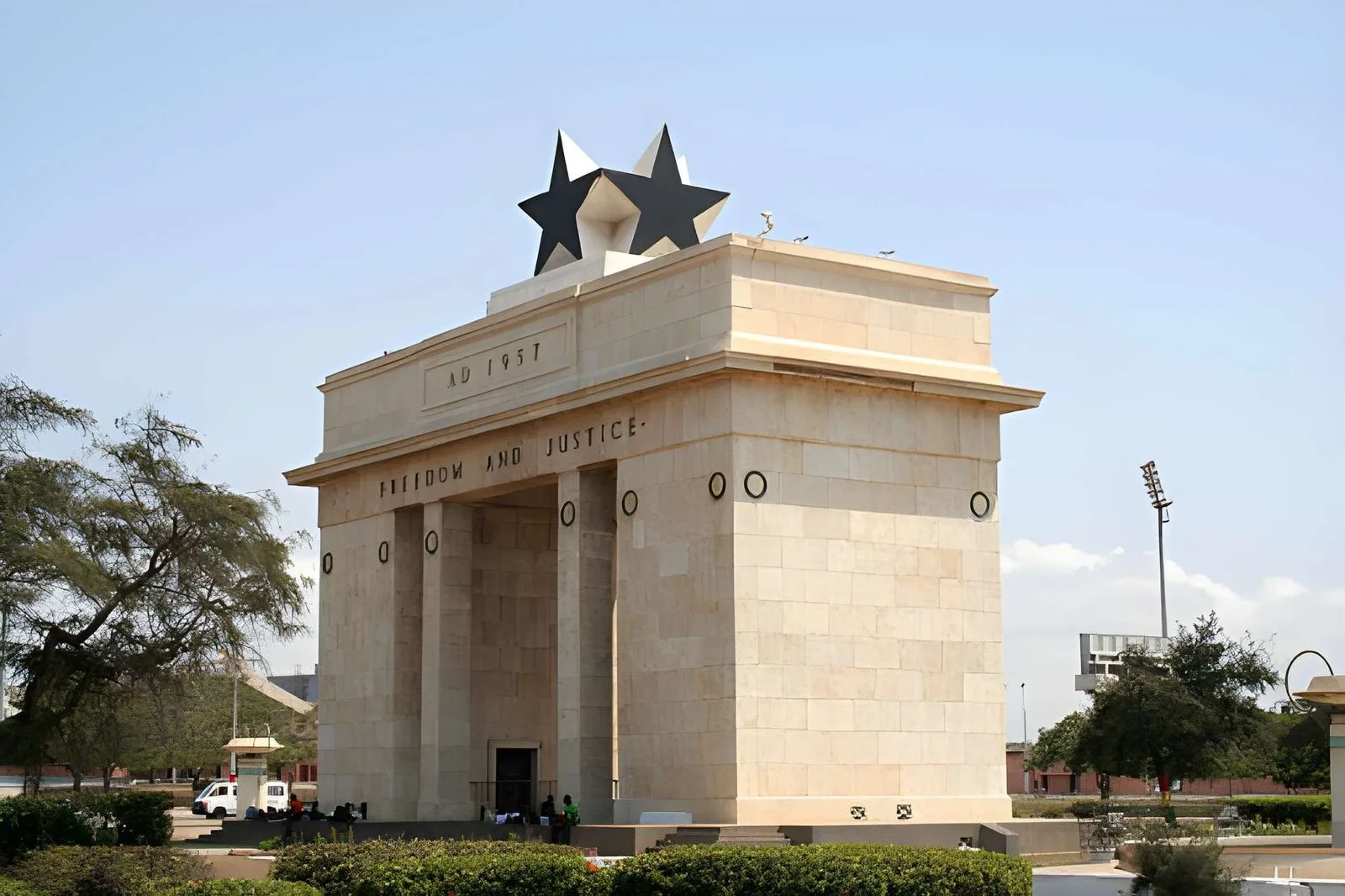
- Accra's memorials to independence and the African diaspora are a moving and meaningful highlight. In the capital you visit the Kwame Nkrumah Memorial Park, where the father of Ghanaian independence and champion of Pan-Africanism lies at rest amid beautiful gardens, fountains and a museum telling the story of the movement that inspired Africa and the diaspora. You visit the W.E.B. Du Bois Memorial Centre, the former home and resting place of the towering African-American scholar and civil-rights pioneer who chose Ghana as his final home, and, nearby, sites linked to the return of the diaspora.
- The Assin Manso Slave River, where captives took their last bath, is a deeply moving highlight. On the old slave route between the interior and the coast lies Assin Manso, site of the Nnonkonsuo, the Slave River or Last Bath, where enslaved Africans, having walked hundreds of miles in chains, were washed and rested before the final march to the coastal castles and the ships. Today it is a place of pilgrimage and remembrance, with a memorial garden and the graves of two formerly enslaved people repatriated from across the Atlantic and reburied in the soil of their ancestors.
- Cape Coast Castle, its dungeons and the Door of No Return, form the heart of this profound journey. Cape Coast Castle, a great white fortress above the crashing Atlantic surf and a UNESCO World Heritage Site, was one of the largest slave-holding sites in the world. On a guided tour of dignity and care, you descend into the dark, airless dungeons where hundreds of enslaved men and women were held for months in unimaginable conditions, see the condemned cell, and finally pass through the Door of No Return, the threshold through which they were forced onto the ships, never to return.
- Elmina Castle, the oldest European fort in sub-Saharan Africa, deepens the story with its long, dark history. At Elmina, above a colourful fishing harbour, stands St George's Castle, built by the Portuguese in 1482 and the oldest European building south of the Sahara, later a Dutch and British slave-trading centre and a UNESCO World Heritage Site. On a guided tour you walk the courtyards, the church built above the slave dungeons, the female dungeon, the punishment cells and Elmina's own Door of No Return, understanding the vast scale and long duration of the trade that passed through these walls.
- Time for reflection, healing and warm Ghanaian welcome makes this journey meaningful as well as moving. This is not only a journey into a painful past but also one of return, connection and healing, and there is time to absorb, reflect and be welcomed. You experience the genuine warmth and hospitality of the Ghanaian people, who embrace returning members of the diaspora as family, share time in communities, enjoy the beauty of the coast and the rainforest of Kakum, and feel the resilience, dignity and hope that run through Ghana. Many travellers describe the journey as transformative, a homecoming as much as a history lesson.
- Above all, this journey offers the most profound and moving heritage experience in West Africa, handled with dignity and depth. Ghana holds the most important slave-route heritage sites in Africa, and this pilgrimage traces the story from the interior to the Atlantic with care and depth. Over eight days you visit Accra's memorials, the Assin Manso Slave River, and the castles of Cape Coast and Elmina with their dungeons and Doors of No Return, with time for reflection, the rainforest and warm Ghanaian welcome, all guided with knowledge and sensitivity. The combination of profound history, emotional connection, healing and heartfelt hospitality makes this journey uniquely powerful.
Day by Day
A detailed day-by-day plan for this 8-day journey.
Your heritage journey to the roots of history begins as your flight arrives at Kotoka International Airport in Accra, where you are met and warmly welcomed and transferred to your hotel in the capital. Ghana embraces returning members of the African diaspora as family, and the warmth of the welcome is felt from the moment you arrive. Spend the rest of the day settling in and resting after your journey, gathering your thoughts for the profound and meaningful days ahead. This evening, a welcome dinner introduces you to Ghanaian cuisine and to the journey to come, from Accra's memorials through the old slave route to the castles of the coast and the Door of No Return. Your guide shares an overview of the history and the spirit of the pilgrimage. As you settle in, the warmth and meaning of Ghana begin to work upon you. Rest well, ready to begin tomorrow in Accra.
Today you explore Accra through the lens of independence, Pan-Africanism and the diaspora. You visit the Kwame Nkrumah Memorial Park, where the father of Ghanaian independence and champion of Pan-Africanism lies at rest amid beautiful gardens and fountains, with a museum telling the story of the movement that inspired a continent. You visit the W.E.B. Du Bois Memorial Centre, the former home and resting place of the great African-American scholar who chose Ghana as his final home, a moving and meaningful place. You also take in Independence Square with its Black Star arch, and perhaps the lively markets and seafront of the capital. The meaning and history are profound. As the day ends, you return to your hotel, grounded in the story of freedom and return. This evening, reflect and savour Ghanaian cuisine. Rest well, for tomorrow you travel the old slave route to the coast.
Today you travel the very route of the enslaved, from the interior towards the Atlantic. You leave Accra and journey west, pausing at Assin Manso, site of the Nnonkonsuo, the Slave River or Last Bath, where captives, having walked hundreds of miles in chains, were washed and rested before the final march to the coast. Here, at this place of pilgrimage and remembrance, you visit the memorial garden and the graves of two formerly enslaved people repatriated from across the Atlantic and reburied in ancestral soil, and stand quietly by the river, a powerful moment of connection. You continue to the Cape Coast. As the day ends, you settle into your accommodation near the castles, moved by what you have seen. This evening, reflect by the sea. Rest well, for tomorrow you visit Cape Coast Castle.
Today you visit the profound heart of this journey, Cape Coast Castle. A great white fortress above the crashing Atlantic surf and a UNESCO World Heritage Site, it was one of the largest slave-holding sites in the world. On a guided tour handled with dignity and care, you descend into the dark, airless dungeons where hundreds of enslaved men and women were held for months in unimaginable conditions, see the condemned cell, and finally pass through the Door of No Return, the threshold to the waiting ships, a place of profound silence, grief and reflection. The excellent museum tells the fuller story of the trade and its legacy. You are given time to absorb, reflect and, for many, to grieve and to heal. As the day ends, you return to your accommodation in quiet contemplation. This evening, rest and reflect gently by the coast.
Today deepens the history and offers space to breathe amid nature. In the morning you visit Elmina, where St George's Castle, built by the Portuguese in 1482, is the oldest European building in sub-Saharan Africa and a UNESCO World Heritage Site, later a major slave-trading centre. On a guided tour you walk the courtyards, the church above the dungeons, the female dungeon and Elmina's own Door of No Return, above the colourful fishing harbour below, grasping the vast scale of the trade. In the afternoon you travel inland to Kakum National Park, where the famous canopy walkway, suspended high above the rainforest, offers a restorative encounter with the beauty and resilience of nature. As the day ends, you return to the coast, moved and refreshed. This evening, savour the coast and reflect on the day. Rest well, for tomorrow you return to Accra.
Today you journey back to Accra, carrying the weight and meaning of what you have experienced. You leave the Cape Coast and travel east along the palm-fringed shore, with time to reflect on the profound story of the castles, the Slave River and the Door of No Return, and on the warmth and resilience of the Ghanaian people who welcome the diaspora home. Along the way you take in the lively coastal towns and fishing communities, and your guide helps place the journey in the wider story of history, freedom and return. You arrive back in the capital. As the day ends, you settle into your Accra hotel, holding the journey close. This evening, savour Ghanaian cuisine and perhaps some gentle highlife music, letting the emotions of the pilgrimage settle. Rest well, for tomorrow offers time in Accra to reflect and connect.
Today you enjoy a final, flexible day in Accra to reflect, connect and celebrate. You might visit the Arts Centre for crafts, kente, beads and drums, meet artists and makers, or return to a site that moved you. You could explore the story of the diaspora's return, visit a community or cultural project, or simply enjoy the warmth, music and energy of the capital, letting the meaning of the journey settle into celebration of resilience and connection. Your guide can tailor the day to your wishes, whether reflective or joyful. The warmth and meaning are profound. As the day ends, you gather your impressions of this deeply moving pilgrimage. This evening, savour a farewell dinner, reflecting on Accra's memorials, the Slave River, the castles and the Door of No Return. Rest well ahead of your departure, carrying the journey in your heart.
After a final morning in Accra, perhaps some last reflection or souvenir shopping for kente, beads and crafts, you are transferred to Kotoka International Airport for your onward international departure. You leave having made one of the most profound and meaningful journeys a traveller can take, tracing the slave route from Accra's memorials and the Assin Manso Slave River to the dungeons of Cape Coast and Elmina and the Door of No Return, with time for reflection, healing and warm Ghanaian welcome. The images and emotions stay with you long after you land, the quiet of the Slave River, the silence of the dungeons, the light through the Door of No Return, and the embracing warmth of the Ghanaian people. For many, this is a homecoming as much as a history lesson, and you depart changed, carrying the story, the connection and the healing of Ghana with you always.
Where You Will Travel
What's inside the package?
Inclusions
- 7 nights accommodation
- Daily breakfast, a welcome dinner in Accra
- Airport and land transfers in air-conditioned vehicles
- Touring and sightseeing as per itinerary with expert local guides
- Entrance fees to castles, parks and sites as per itinerary
- private touring with an expert heritage guide and vehicle, Accra memorial visits including the Du Bois Centre, the Assin Manso Slave River, guided tours of Cape Coast and Elmina castles, a Kakum canopy walk, and all entrance fees
Exclusions
- International airfare
- Visa or tourist card fees where applicable
- Travel insurance (strongly recommended)
- Domestic flights unless specified
- Optional experiences and tips for guides and drivers
- Meals not mentioned in the itinerary or inclusions
- Drinks unless specifically stated
- Optional excursions and experiences
- Personal expenses and gratuities
- Anything not specifically mentioned under Package Inclusions
Know when to go.
- Visa & entry: Most nationalities need a visa for Ghana, arranged in advance through a Ghanaian embassy or the eVisa system, with visa-on-arrival available to some travellers by prior approval; a passport valid for at least six months is required. Requirements change from time to time, so we confirm the exact, current process for your nationality and help you prepare the paperwork before you travel
- Currency: The currency is the Ghanaian Cedi (GHS); cards are accepted in larger hotels, restaurants and shops in Accra and Kumasi, but carry cash for markets, crafts, small towns, tips, park fees and rural areas, where cash is essential. ATMs are found in cities and larger towns, and it is wise to keep small notes handy
- Best time to visit: The dry season, roughly November to March, is the most comfortable time to travel, with warm, sunny days and the dusty Harmattan wind blowing from the Sahara; the wet season (April to October) brings lush green landscapes, fuller waterfalls and warm rains, mostly in short heavy bursts. We help you time your trip around the season and any festivals you wish to see
- Language & etiquette: English is the official language and is widely spoken, alongside Akan (Twi), Ewe, Ga and many others; Ghanaians are famously warm, friendly and hospitable. Greetings matter, so take a moment to say hello; dress modestly at sacred sites, palaces and in the north; and always ask before photographing people, chiefs or ceremonies. A little Twi, such as a friendly greeting, is warmly received
- Getting around: Touring is by private air-conditioned vehicle with your own driver-guide, the most comfortable and flexible way to see the country; some drives are long but scenic, linking Accra, the Cape Coast, Kumasi, the north and the Volta Region. Domestic flights between Accra, Kumasi and Tamale can shorten the longest journeys, and we build in comfortable stops along the way
- Health & safety: Ghana is one of the friendliest and most stable countries in West Africa, and travel here is rewarding and welcoming; a yellow fever vaccination certificate is required for entry, and antimalarial precautions are strongly recommended, so consult a travel clinic well before departure. Drink bottled or filtered water, use insect repellent, and we monitor conditions and follow official guidance at all times
- Culture & festivals: Ghana's culture is vibrant and deeply rooted, from Ashanti kente weaving, drumming and dancing to colourful chiefs' durbars and lively festivals such as Homowo, Aboakyer and the Ashanti Akwasidae; markets buzz with energy and music is everywhere. We can time your journey to coincide with a festival where possible, and always advise on respectful ways to take part and enjoy the celebrations
- Power & practicalities: Power is 230V with British-style type G three-pin plugs (type D also appears), so bring a UK-style adapter; power cuts happen occasionally, and better hotels have generators. Tipping is appreciated for good service, mobile coverage is good in towns, and the pace of life is relaxed and friendly, so patience, a smile and an open mind make every day a pleasure
Frequently Asked Questions
Is this heritage journey especially meaningful for the African diaspora?
Yes, profoundly so. For travellers of African descent, tracing the slave route from the interior to the Door of No Return is often a deeply emotional homecoming, a chance to honour ancestors, connect with the soil and people of the continent, and find a measure of healing. Ghana has long welcomed the diaspora as family, and this journey is designed with dignity, depth and care. That said, it is meaningful and important for all thoughtful travellers who wish to understand and honour this history, whatever their background.
Is the subject matter very difficult, and how is it handled?
The history of the slave trade is harrowing, and visits to the dungeons and the Door of No Return are emotional and, at times, overwhelming. We handle the journey with great sensitivity, using experienced, compassionate guides, allowing time and space to absorb, reflect and grieve, and balancing the heavy days with reflection, warm welcome and the beauty of the coast and rainforest. Many travellers find the experience, while difficult, to be among the most meaningful and transformative of their lives. We are here to support you throughout.
What meals are included?
Daily breakfast is included, along with any meals named in the itinerary (typically dinners at remote lodges such as Mole, and some half-board or full-board stays). Ghanaian food is delicious and hearty, from jollof rice, waakye and grilled tilapia to groundnut and light soups with fufu or banku, and fresh tropical fruit. We usually leave other meals free so you can explore local restaurants and chop bars, and we recommend the best places at every stage of your journey.
Are the tours private or in a group?
Your journey is private by default, with your own expert local driver-guide and comfortable air-conditioned vehicle, giving you flexibility, depth and a pace tailored entirely to you; small-group options can be arranged if you prefer. Ghana's knowledgeable, friendly guides bring the castles, palaces, markets, parks and rich living culture vividly to life, greatly enriching every visit, and a good guide is invaluable for the history of the coast and the north.
Do I need a visa for Ghana?
Most nationalities need a visa, arranged in advance through a Ghanaian embassy or the eVisa system, with visa-on-arrival available to some travellers by prior approval. We confirm the exact, current requirements for your nationality, advise on the best option and help you prepare the paperwork, so entry is smooth. A passport valid for at least six months and a yellow fever vaccination certificate are required for entry.
Is Ghana safe to visit?
Ghana is one of the friendliest, most stable and most welcoming countries in West Africa, with a long tradition of peace, democracy and genuine hospitality, and travel here is smooth and rewarding. We use trusted local guides and drivers, choose good accommodation, monitor conditions and follow official guidance at all times. Normal common-sense precautions apply, as anywhere, and the warmth of the Ghanaian welcome is one of the great joys of any visit.
When is the best time to visit?
The dry season, roughly November to March, is the most comfortable time, with warm, sunny days, ideal for the coast, castles, Kumasi, the north and the Volta Region, though the Harmattan can bring dusty haze. The wet season (April to October) brings lush green landscapes and fuller waterfalls, with rain usually in short, heavy bursts. We advise on the best timing for your interests, the regions you wish to see and any festivals.
Can the itinerary be customised?
Absolutely. We can adjust the balance of Accra, the Cape Coast castles, Kakum, Kumasi and the Ashanti heartland, the Mole safari and the north, the Volta Region and the beaches, add or remove nights, include a festival, and tailor the pace, comfort and focus entirely to you. Every itinerary is a flexible starting point, crafted around your interests, for your ideal journey through the warm and vibrant land of Ghana.
More Cultural Journeys
 Cultural
Customizable
Cultural
Customizable
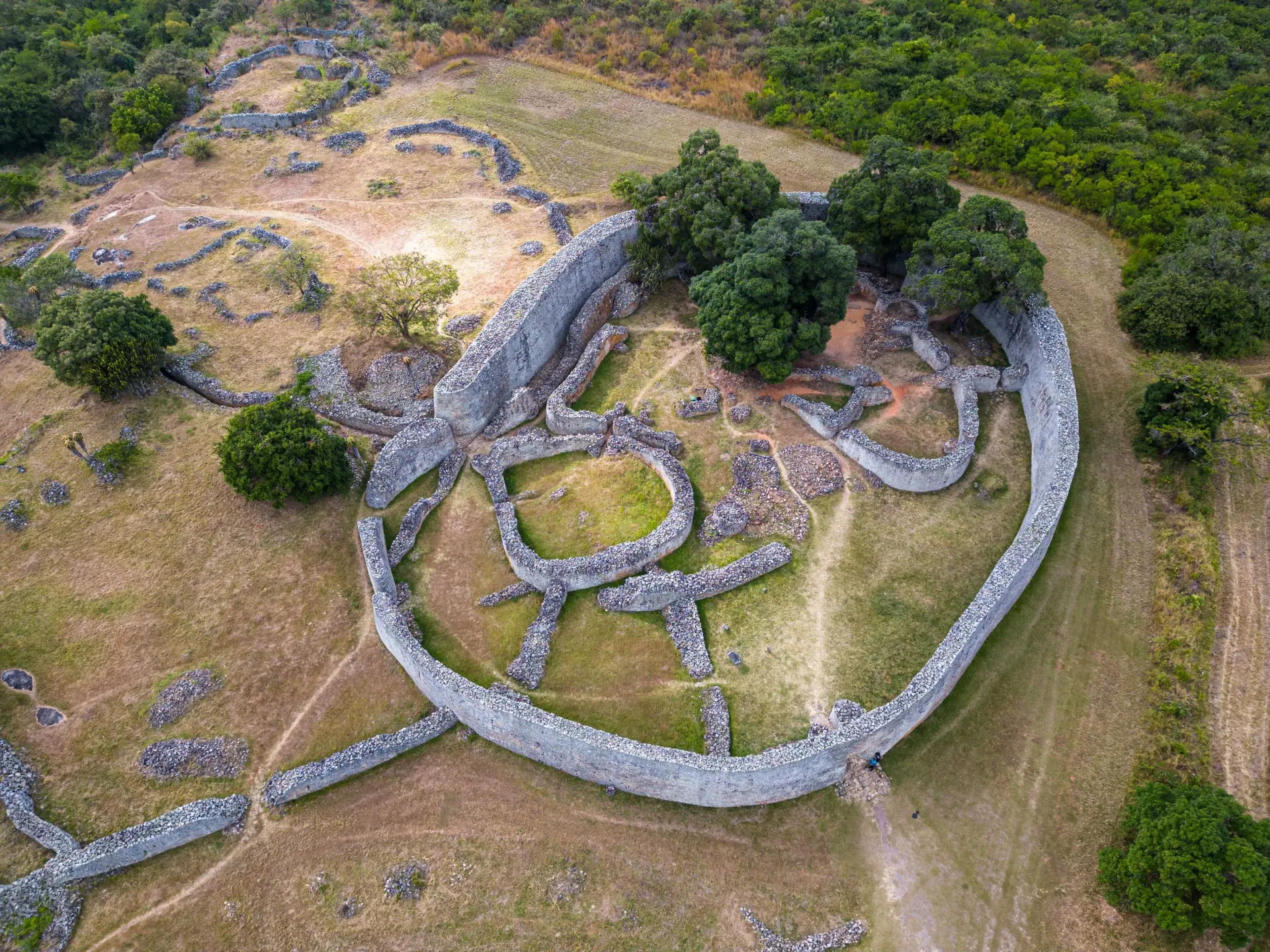
Great Zimbabwe & Matobo: Culture, Rock Art & Rhino
Great Zimbabwe & Matobo: Culture, Rock Art & Rhino
Zimbabwe
 Cultural
Customizable
Cultural
Customizable
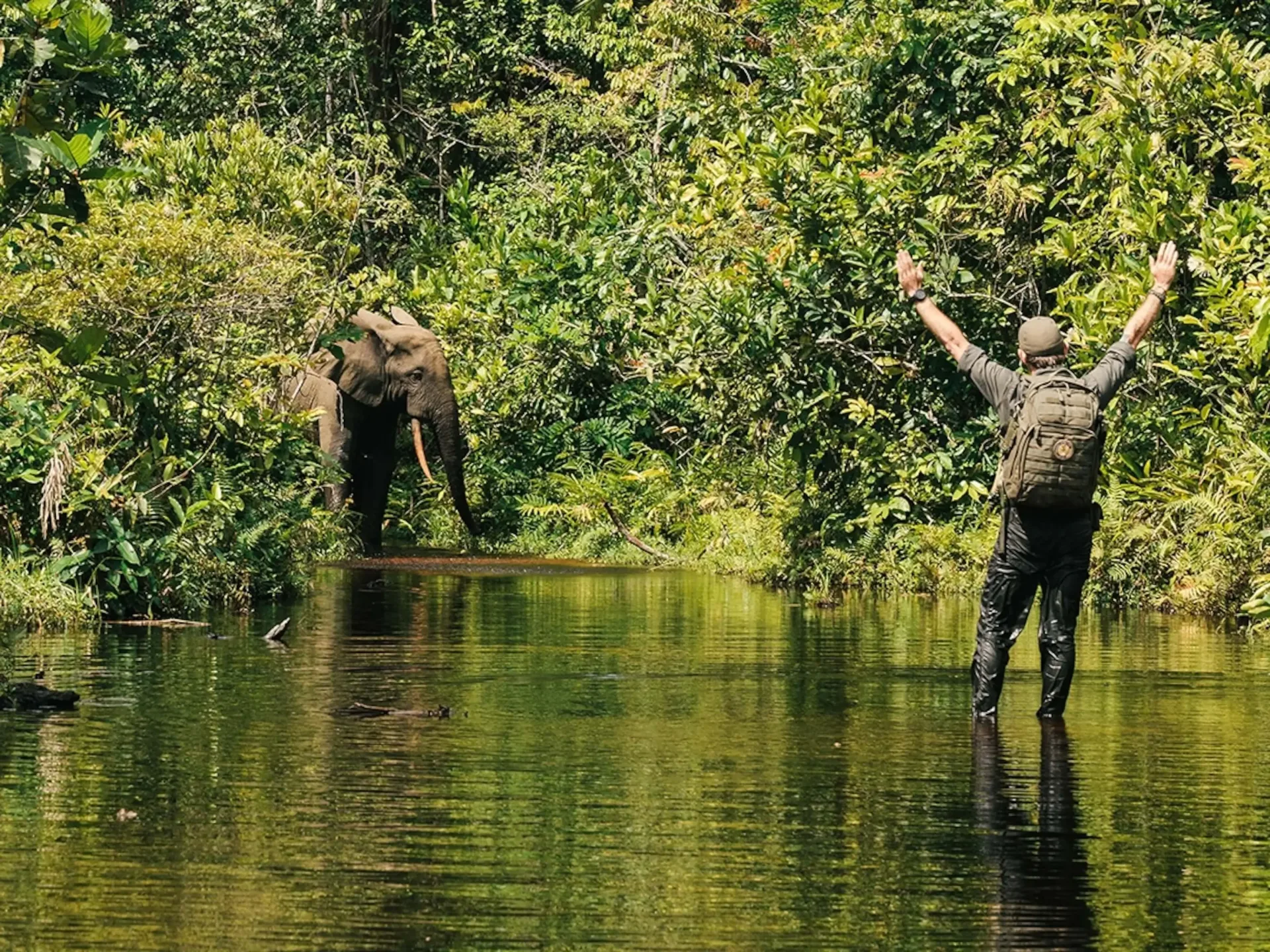
Grand Zimbabwe: The Complete Safari Journey
Grand Zimbabwe: The Complete Safari Journey
Zimbabwe
 Cultural
Customizable
Cultural
Customizable
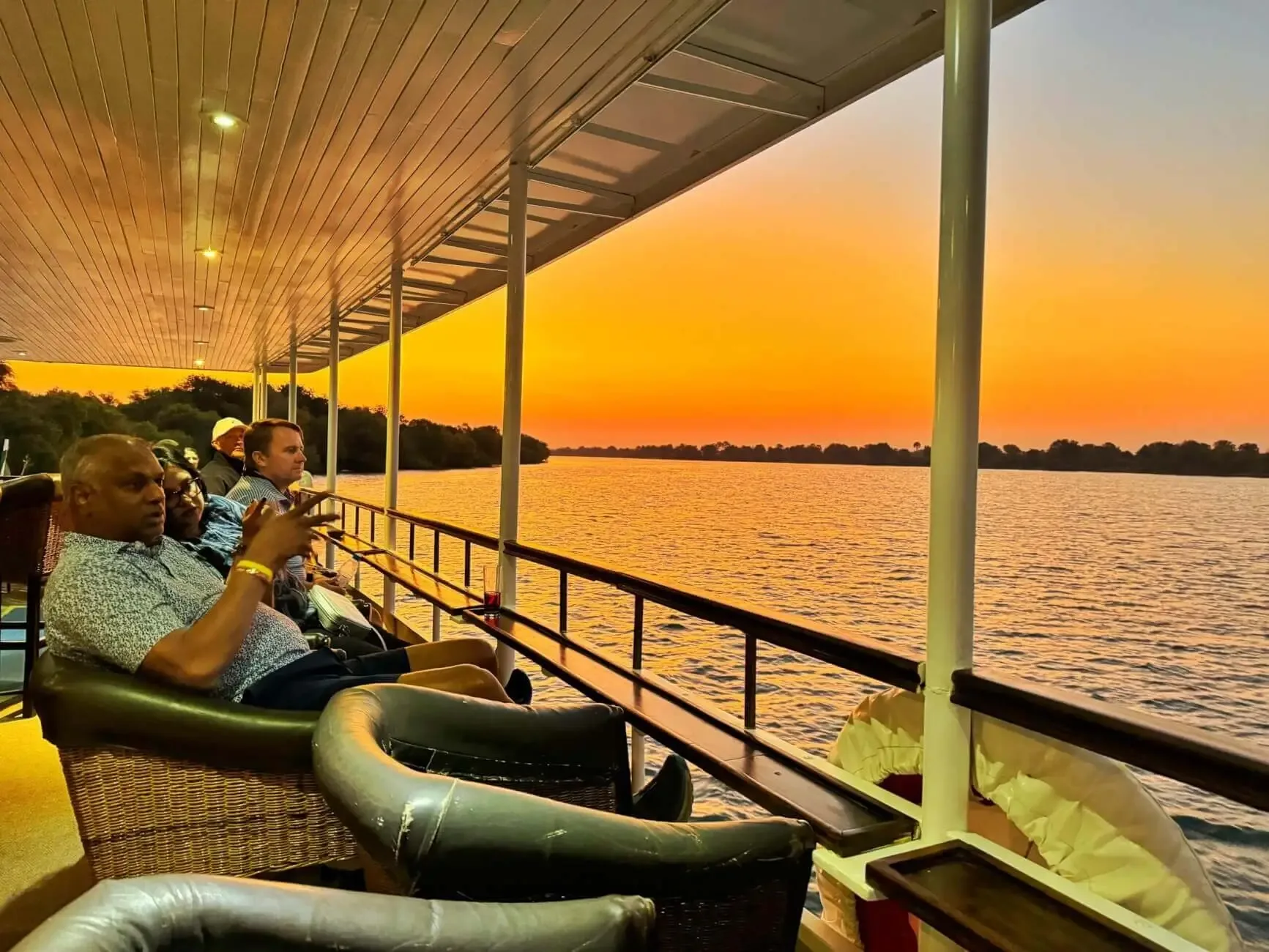
Victoria Falls & Safari: Livingstone and the Luangwa
Victoria Falls & Safari: Livingstone and the Luangwa
Zambia