
8 Days • 7 Nights
Omo Valley: Cultures of the South
Tour Includes
About the Trip
Trip Highlights
- The remarkable cultural diversity of the lower Omo Valley is the heart of this journey and one of the most extraordinary human landscapes on Earth. Within a relatively small area live many distinct indigenous peoples, each with its own language, dress, customs, body decoration and way of life, from cattle-herding pastoralists to riverine farmers. Travelling among them with expert guides, you gain a rare window into ways of living that have endured for generations, encountering elaborate beadwork and hairstyles, ochre and scarification, ceremonies and daily rhythms tied closely to cattle, the river and the land.
- The Hamer people and their culture are a fascinating highlight of the Omo Valley, among the most visually striking of all its peoples. The Hamer are cattle-herding pastoralists whose women are renowned for their beauty and adornment: ochre-reddened hair twisted into thick strands, layers of beaded necklaces, iron arm coils and goatskin skirts trimmed with cowrie shells. In their villages of domed thatched huts you learn about their pastoral life, coffee-husk rituals and social customs. If timing allows, you may witness the extraordinary bull-jumping ceremony, the ukuli bula.
- The Mursi people, famous for their clay lip plates, are among the most striking and memorable communities you meet in the Omo Valley. Living in the remote bush around Mago National Park, the Mursi are proud cattle-herders known worldwide for the large decorated clay or wooden plates that their women insert into a slit in the lower lip, a distinctive mark of identity and beauty. The men are known as fierce stick-fighters in the ceremonial contests called donga. Reaching a Mursi village involves a memorable drive deep into the bush, and the encounter is powerful and thought-provoking.
- The Karo people and the tribal markets of the Omo are vivid, colourful highlights of this journey. The Karo, one of the smallest groups in the valley, live on bluffs above the Omo River and are celebrated as the finest body painters of the region, decorating their faces and torsos with intricate white chalk patterns and wearing elaborate clay hairstyles and feathers for dances and ceremonies, set against sweeping river views. Equally memorable are the region's rotating tribal markets, at places such as Key Afer, Dimeka and Turmi, where Hamer, Banna, Ari and other peoples gather in their finery to trade cattle.
- The highland cultures of Dorze and Konso add fascinating variety on the journey to and from the Omo lowlands. In the mountains above the Rift Valley lakes, the Dorze people are famous for their towering beehive-shaped huts woven from bamboo and false-banana leaves, some rising several metres high, and for their fine cotton weaving, and you can watch them at their looms, sample bread made from the false-banana plant and enjoy local honey wine. Further south, the Konso, whose dramatic terraced hillsides and fortified villages are a UNESCO World Heritage cultural landscape.
- The Rift Valley lakes and scenery around Arba Minch add natural beauty and wildlife to this cultural journey. Arba Minch, the pleasant southern town whose name means Forty Springs, sits on a ridge between the twin lakes of Abaya and Chamo, gateway to Nechisar National Park. On a boat trip across Lake Chamo you cruise to the famous Crocodile Market, a shoreline where enormous Nile crocodiles bask by the dozen, and watch for hippos wallowing and a wealth of waterbirds, all against a backdrop of forested hills and distant mountains. The drives through the Great Rift Valley, past lakes, escarpments and farmland, are scenic throughout.
Day by Day
A detailed day-by-day plan for this 8-day journey.
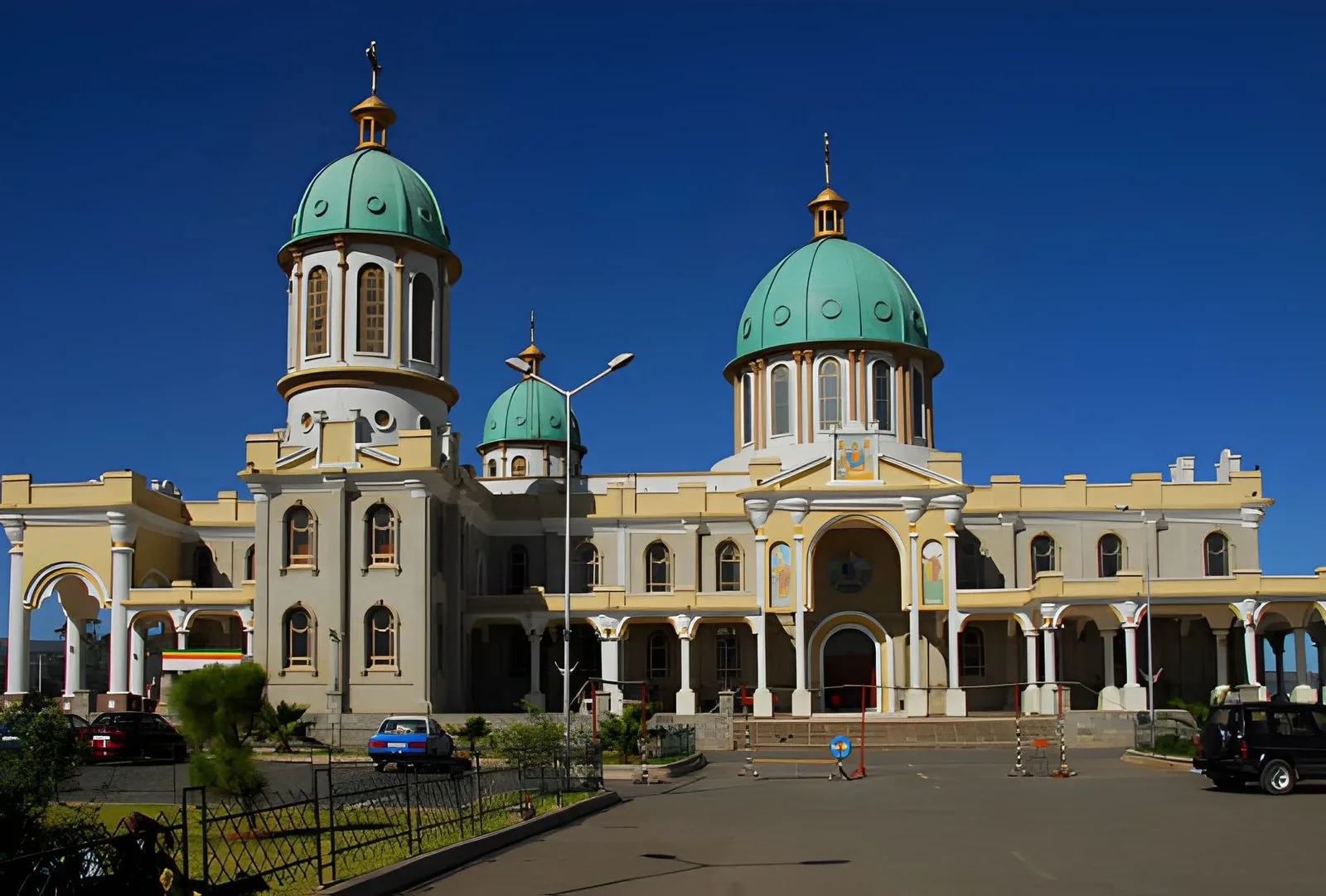
Your journey into the extraordinary cultures of the Omo Valley begins as your flight lands in Addis Ababa, Ethiopia's high-altitude capital. You are met and transferred to your hotel to rest after your journey. If time allows, your guide may show you something of the capital, perhaps the National Museum to meet Lucy, the famous fossil ancestor, or the Ethnological Museum, giving useful context for the peoples you are about to meet. This evening a welcome dinner introduces you to Ethiopia's richly spiced cuisine and coffee culture, and your guide briefs you on the days ahead, the long but scenic drives through the Rift Valley, and the etiquette of visiting indigenous communities respectfully. Rest well in Addis Ababa, ready to head south tomorrow toward the Rift Valley lakes and the remote, culturally rich lowlands of the Omo Valley.
Today you travel south into the Great Rift Valley toward Arba Minch, either by an internal flight or a scenic drive past a string of lakes, farmland and escarpments, watching the landscape and cultures change as you go. Arba Minch, whose name means Forty Springs, sits dramatically on a ridge between the twin lakes of Abaya and Chamo, at the edge of Nechisar National Park. On arrival you take a boat trip out onto Lake Chamo to the famous Crocodile Market, a stretch of shoreline where enormous Nile crocodiles bask in numbers, and watch for hippos wallowing in the shallows and a wealth of pelicans, storks and other waterbirds, all framed by forested hills. You settle into your lodge with sweeping views over the lakes. Rest well in Arba Minch, gateway to the cultures of the south.
Today you climb into the cool, misty highlands above Arba Minch to visit the Dorze people, famous throughout Ethiopia for their weaving and their extraordinary architecture. In their mountain village you marvel at the towering beehive-shaped huts, woven from bamboo and false-banana leaves and rising several metres high, and learn how a whole hut can be moved when termites attack its base. You watch skilled weavers at their looms producing the fine cotton cloth the Dorze are renowned for, see how bread and other staples are made from the false-banana plant, and sample local honey wine and freshly roasted coffee amid warm hospitality and grand views over the Rift Valley lakes far below. The ingenuity and artistry of this settled highland culture are fascinating. Returning to Arba Minch in the afternoon, rest well ahead of the drive deeper into Omo country tomorrow.
Today you drive south and west deeper into the Omo region, bound for Turmi in the heart of Hamer country. En route you stop in the land of the Konso, whose dramatic terraced hillsides and fortified stone-walled villages form a UNESCO World Heritage cultural landscape; you explore a traditional village, learn how the Konso have farmed these steep slopes ingeniously for centuries, and see their intriguing carved wooden memorial statues that honour the dead. Continuing across increasingly remote, scrubby lowland savanna, the landscape and peoples grow ever more traditional. You may pass Hamer people walking to and from wells and markets in their distinctive dress. Arriving in Turmi in the late afternoon, you settle into your lodge in the bush. This evening, over dinner under the stars, your guide explains the culture and customs of the Hamer. Rest well in Turmi, deep in the Omo Valley.
Today you immerse yourself in the cultures around Turmi, beginning with a visit to a Hamer village, where you meet the ochre-adorned women in their beaded finery and iron arm coils, see the domed thatched huts, and learn about the pastoral life, rituals and customs of these proud cattle-herders. If your timing is fortunate, you may be able to attend the extraordinary bull-jumping ceremony, a coming-of-age rite full of song, dance and drama. Later you drive to the bluffs above the Omo River to visit the Karo, the celebrated body painters of the valley, who decorate their faces and torsos with intricate white chalk patterns and elaborate clay hairstyles, set against sweeping river views. Your guide ensures every encounter is respectful and fairly arranged. Returning to your lodge, rest well in Turmi after a rich day among the peoples of the Omo.
Today you journey to meet the Mursi, among the most traditional and famous of all the Omo peoples, driving deep into the bush of Mago National Park along rough tracks that are an adventure in themselves, watching for wildlife along the way. In a Mursi village you encounter this proud cattle-herding people, the women known worldwide for the decorated clay lip plates that mark identity and beauty, the men as fierce ceremonial stick-fighters. The meeting is powerful and thought-provoking, and your guide ensures it is conducted with respect and fair arrangements. Emerging from the bush, you continue to Jinka, the lively regional highland town, market hub and home of a small museum devoted to the peoples of the south. You settle into your accommodation in town. This evening, reflect on a remarkable day. Rest well in Jinka among the hills of the Omo.
This morning, timing permitting, you visit one of the region's vibrant rotating tribal markets, such as Key Afer, where Hamer, Banna, Ari and other peoples gather in their finery to trade cattle, grain, honey, beads, pots and tools in a riot of colour, sound and social life, one of the most authentic and rewarding experiences of the whole journey. You may also visit an Ari village to see their farming, pottery and blacksmithing, a settled people quite different from the pastoralists. You then begin the scenic drive back north out of the Omo lowlands toward Arba Minch, the landscape gradually greening as you regain the Rift Valley, arriving in the late afternoon. Settling back into your lodge above the lakes, you can reflect over dinner on the extraordinary peoples you have met. Rest well in Arba Minch on your final night in the south.
After a final breakfast overlooking the Rift Valley lakes, you fly or drive back to Addis Ababa, where you connect with your onward international departure, or extend your journey to explore the historic north or the mountains. You leave having experienced one of the most culturally rich and diverse regions on Earth, meeting the ochre-adorned Hamer, the body-painting Karo of the Omo River, the lip-plated Mursi of the bush, and the settled highland cultures of Dorze and Konso, alongside colourful tribal markets and the crocodile-filled Rift Valley lakes. These encounters, always approached with respect, offer a rare and thought-provoking window into ways of life that are both ancient and rapidly changing. The vivid images of the peoples and landscapes of the Omo stay with you long after you fly home. Depart moved and enriched by your journey through southern Ethiopia.
Where You Will Travel
What's inside the package?
Inclusions
- 7 nights accommodation, most dinners at lodges and some regional meals
- Daily breakfast
- Domestic flights on the historic route and airport and land transfers
- Touring and sightseeing as per itinerary with expert local guides
- Entrance fees to churches, castles, museums and parks as per itinerary
- private 4x4 touring with expert local guides, a Lake Chamo boat trip to the Crocodile Market, respectfully arranged visits to Hamer, Karo, Mursi and other communities, tribal market visits, Dorze and Konso cultural visits, and all park fees, community fees and entrance fees
Exclusions
- International airfare
- Visa or tourist card fees where applicable
- Travel insurance (strongly recommended)
- Photography fees paid directly to individuals in villages
- Optional ceremonies and tips for guides and drivers
- Meals not mentioned in the itinerary or inclusions
- Drinks unless specifically stated
- Optional excursions and experiences
- Personal expenses and gratuities
- Anything not specifically mentioned under Package Inclusions
Know when to go.
- Visa & entry: Most nationalities need a visa for Ethiopia, obtained conveniently as an eVisa online before travel, with a passport valid for at least six months and blank pages. A yellow fever vaccination certificate is often requested on arrival. Requirements can change, so we confirm the exact process for your nationality and help arrange the eVisa in advance so your entry is smooth
- Currency & money: The currency is the Ethiopian Birr (ETB), and Ethiopia remains largely a cash economy; carry sufficient Birr for markets, tips, small cafes, churches and rural areas, as card acceptance is limited outside major Addis Ababa hotels. ATMs are found in Addis Ababa and larger towns but can be unreliable, so we advise carrying US dollars in cash to change and enough Birr for each region
- Best time to visit: October to March is the prime dry season across the highlands, with clear, sunny days ideal for Lalibela, Gondar, Axum, the Simien Mountains and the Omo Valley, and cooler nights at altitude. The colourful festival of Timkat (Ethiopian Epiphany) in January is spectacular. The main rains fall June to September, greening the land but making some roads and treks harder, while the low Danakil Depression is best visited in the cooler months
- Language & etiquette: Amharic is the official language, written in the unique Geez script, and English is widely spoken in tourism and towns. Ethiopia is deeply rooted in ancient Orthodox Christianity; at churches and monasteries dress modestly (cover shoulders and knees), remove your shoes before entering, and always ask before photographing people, priests or ceremonies. In the Omo Valley a small fee is customary for portraits, which your guide arranges respectfully
- Getting around: The classic historic route (Bahir Dar, Gondar, Axum, Lalibela) is linked by short domestic flights on Ethiopian Airlines, which we include to save long drives, while the Simien Mountains, Danakil Depression, Omo Valley and Bale Mountains are reached by 4x4 with expert drivers. Roads can be rough and journeys long but hugely scenic; we build in realistic timings and comfortable vehicles throughout
- Health & safety: Addis Ababa sits at around 2,355m and the highlands are higher still, so allow time to acclimatise and take it easy on arrival; the Simien and Bale mountains reach well over 3,000m. The Danakil Depression is one of the hottest places on Earth, so heat precautions matter, while malaria prophylaxis is advised for lowland areas such as the Omo and Danakil. We monitor regional travel advisories and plan routes accordingly
- Culture & calendar: Ethiopia follows its own unique calendar of thirteen months (twelve of thirty days plus a short thirteenth), running roughly seven to eight years behind the Gregorian calendar, and even tells time on a twelve-hour clock starting at dawn. This proud, ancient culture, never colonised, is expressed in rock-hewn churches, castles, the Geez liturgy, the famous coffee ceremony and richly spiced cuisine eaten with injera flatbread
- Power & plugs: Electricity is 220V and sockets are typically European-style types C, E, F and L (round two-pin), so bring a suitable adapter and, ideally, a power bank, as power cuts can occur, especially in remote areas and on treks. Mobile coverage is good in cities and patchy in the mountains, Danakil and Omo; we recommend downloading maps and key documents offline before heading into remote regions
Frequently Asked Questions
How should I photograph people respectfully in the Omo Valley?
Photography is a sensitive and important part of visiting the Omo, and we ask all travellers to approach it with courtesy. In many communities individuals expect a small payment for portraits, which is a recognised part of the local economy; your guide helps arrange this fairly and calmly on your behalf, so encounters stay relaxed rather than transactional. Always ask before photographing anyone, respect a refusal, avoid pointing cameras intrusively, and take time simply to meet people rather than only taking pictures. Handled well, this leads to warmer, more genuine interactions and much more rewarding images and memories.
Can I time my trip to see a Hamer bull-jumping ceremony?
The bull-jumping ceremony, or ukuli bula, is a genuine rite of passage that takes place according to the community's own calendar and cannot be scheduled to order, so seeing one is never guaranteed. However, ceremonies are more frequent in certain seasons, and our local guides keep close track of what is happening in the villages during your visit, doing their best to bring you to one respectfully if it coincides with your dates. Even without a ceremony, the visits to Hamer, Karo, Mursi and other communities and the tribal markets make the Omo Valley extraordinarily rewarding.
What meals are included?
Daily breakfast is included, along with any meals named in the itinerary, which typically means most dinners at lodges and remote camps in the Simien, Danakil, Omo and Bale regions where dining options are limited. Ethiopian cuisine is a delicious highlight, from injera (a tangy sourdough flatbread) served with an array of spiced stews called wat, to fasting (vegan) platters and world-famous coffee prepared in the traditional ceremony. We usually leave city lunches and some dinners free and recommend the best local restaurants at every stage.
Are the tours private or in a group?
Your journey is private by default, with your own expert local guide and vehicle, giving you flexibility, depth and a pace tailored to you; small-group departures can also be arranged, especially for the Danakil Depression and Simien treks where shared logistics are common. Ethiopia's knowledgeable guides bring the rock-hewn churches, castles, stelae, mountains and diverse cultures vividly to life, and are essential for navigating the historic route, remote regions and the customs of the Omo Valley.
Do I need a visa for Ethiopia?
Most nationalities need a visa, obtained conveniently as an eVisa online before you travel, while arrangements vary for a few passports. We confirm the exact, current requirements for your nationality, advise on the best option, and help arrange the eVisa in advance so entry is smooth. A passport valid for at least six months with blank pages is required, and a yellow fever certificate is often requested on arrival.
Is Ethiopia safe to visit?
The classic tourist regions covered in our journeys, including the historic northern circuit, the Simien and Bale mountains, the Danakil Depression and the Omo Valley, are generally welcoming and rewarding to visit with the right local guides and logistics. We continuously monitor official travel advisories, avoid any areas of concern, use trusted local operators, and adjust routes as needed. Ethiopians are famously warm and hospitable, and travel with an experienced guide is smooth and deeply rewarding.
When is the best time to visit?
October to March is the prime dry season across the highlands, with clear, sunny days perfect for the historic route, the Simien Mountains and the Omo Valley, and this is also when the spectacular Timkat festival falls in January. The main rains from June to September green the landscape beautifully but can complicate some roads and treks. The Danakil Depression is best visited in the cooler months. We advise on the ideal timing for your chosen regions and interests.
Can the itinerary be customised?
Absolutely. We can adjust the balance of the historic north, the Simien or Bale mountains, the Danakil Depression and the Omo Valley, add nights in Lalibela for a major festival, extend trekking or wildlife time, upgrade lodges, or combine regions into a grand tour. Every itinerary is a flexible starting point that we tailor to your interests, pace, comfort and budget, crafting your ideal journey through the extraordinary landscapes and ancient cultures of Ethiopia.
More Adventure Journeys
 Adventure
Customizable
Adventure
Customizable
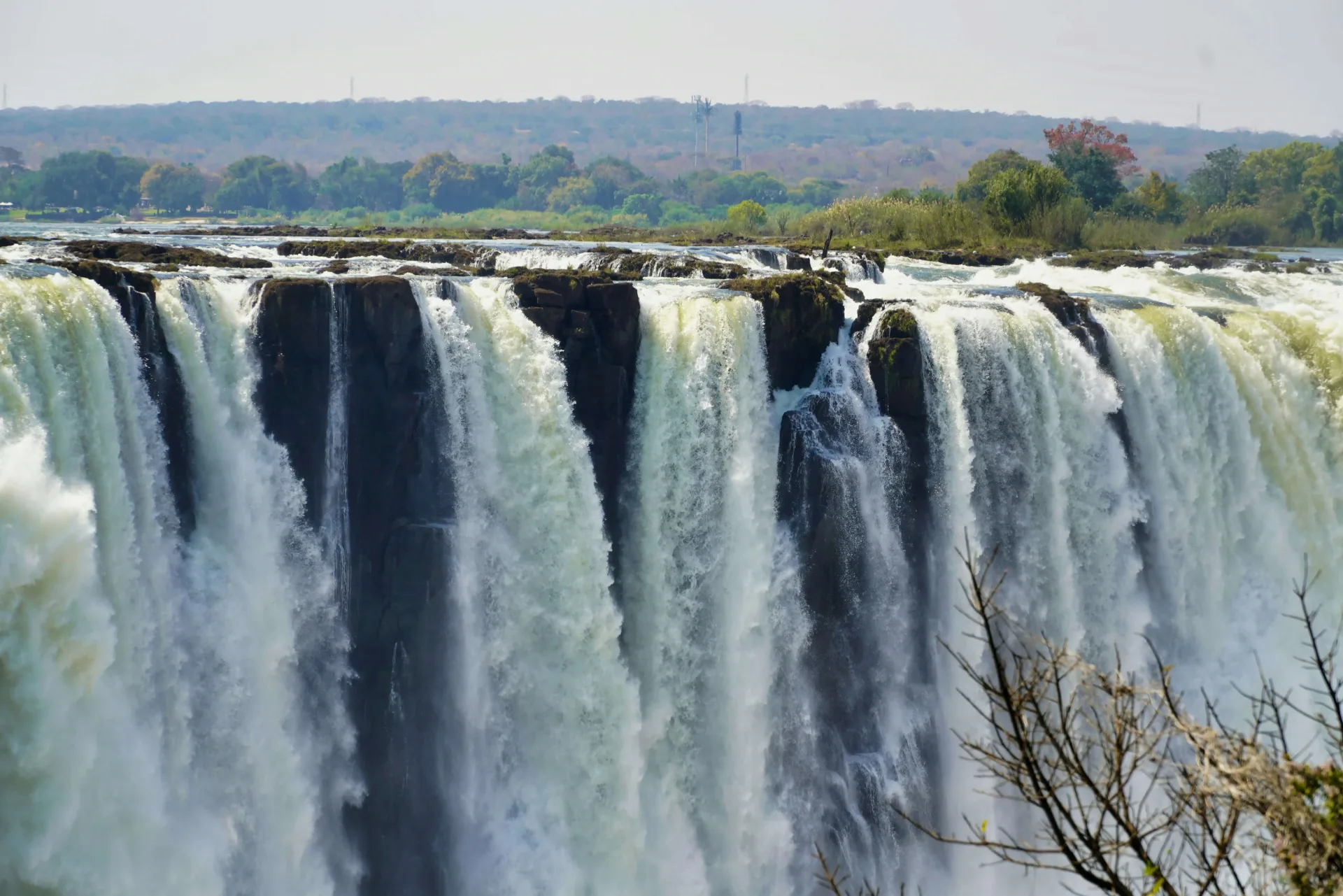
Highlights of Zimbabwe: Victoria Falls & Hwange
Highlights of Zimbabwe: Victoria Falls & Hwange
Zimbabwe
 Adventure
Customizable
Adventure
Customizable
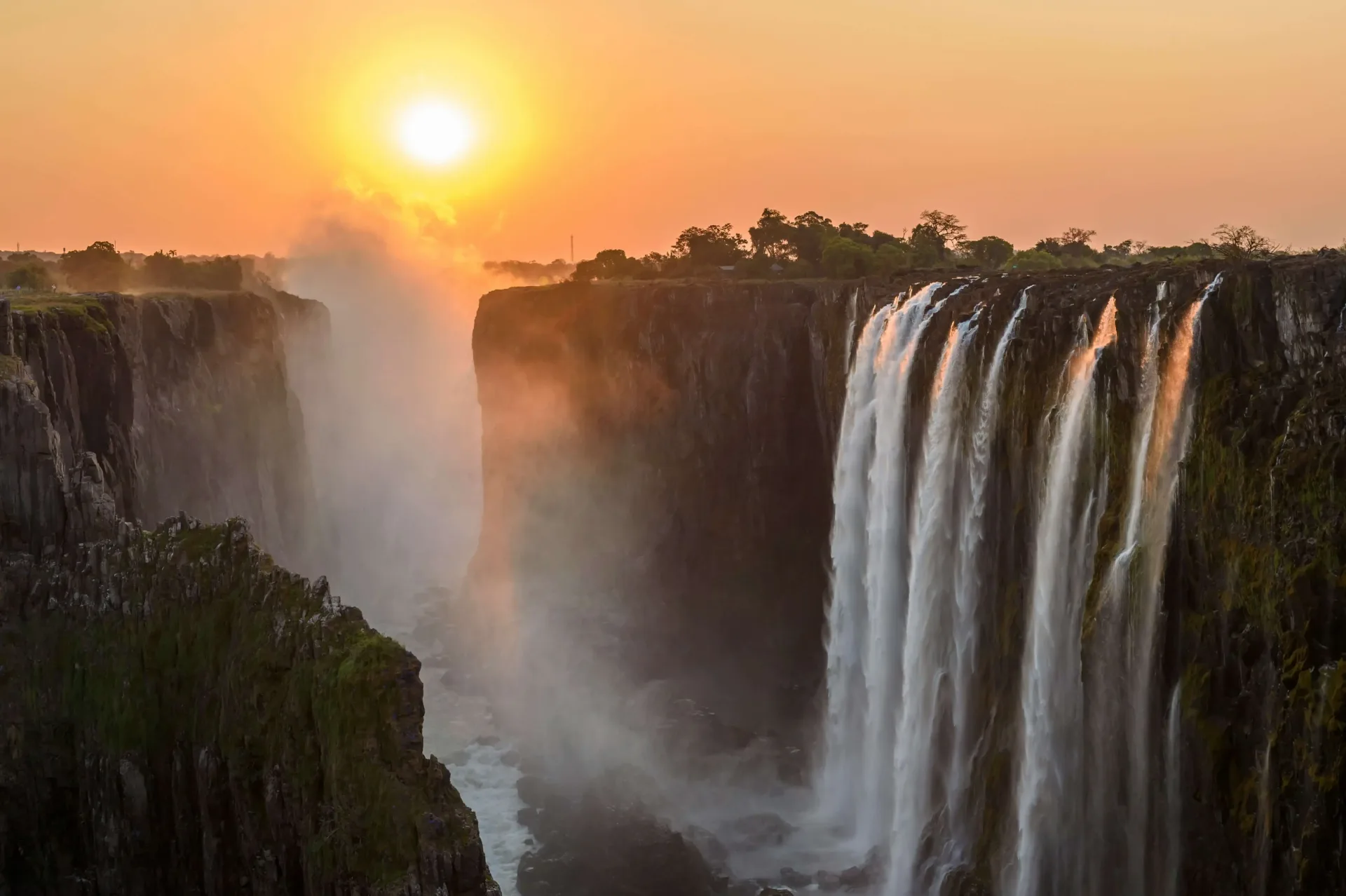
Victoria Falls Adventure: The Smoke that Thunders
Victoria Falls Adventure: The Smoke that Thunders
Zimbabwe
 Adventure
Customizable
Adventure
Customizable
Hwange & Mana Pools: A Great Zimbabwe Safari
Hwange & Mana Pools: A Great Zimbabwe Safari
Zimbabwe