
6 Days • 5 Nights
Lalibela & the Rock-Hewn Churches
Tour Includes
About the Trip
Trip Highlights
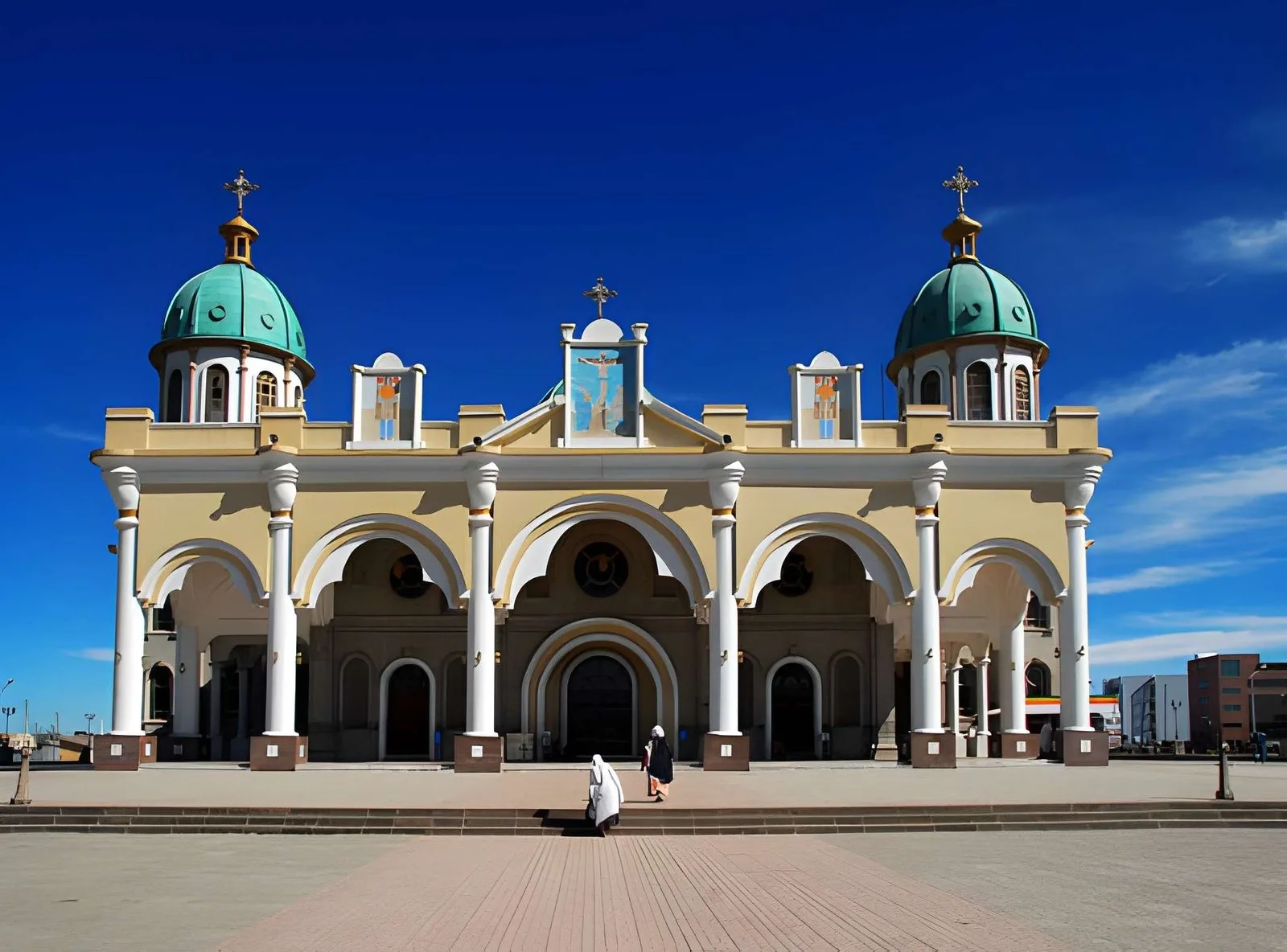
- The eleven rock-hewn churches of Lalibela are the heart of this journey and one of the true wonders of the world. Rather than being built up from stone, they were carved downward and inward out of the solid living rock of the mountainside, each church freed from the surrounding stone as a single monolith complete with pillars, doorways, windows, carved crosses and drainage channels, then linked by a maze of tunnels, trenches and courtyards. Created in the twelfth and thirteenth centuries at the command of King Lalibela to form a New Jerusalem, they remain an active centre of worship and pilgrimage.
- Bete Giyorgis, the Church of Saint George, is the crowning masterpiece of Lalibela and a highlight you will never forget. Carved in the perfect shape of a Greek cross and sunk deep into a great pit hewn from the rock, it stands alone and pristine, approached along a sloping trench that suddenly reveals it far below. Widely considered the finest and most graceful of all the Lalibela churches, and among the most iconic images in Africa, it was according to legend the last to be built, when Saint George appeared to complain that no church had been dedicated to him.
- The living worship and pilgrimage of Lalibela set it apart from any museum or ruin, a deeply moving highlight. These are not empty monuments but working churches where the ancient rhythms of Ethiopian Orthodoxy continue every single day. You encounter white-robed pilgrims who have walked for days to pray here, priests displaying jewelled and gilded processional crosses, deacons chanting in the ancient Geez language, and the scent of frankincense drifting through candlelit chambers. If your visit coincides with a major feast, especially the Ethiopian Christmas of Genna in January, the churches fill with thousands of worshippers in a spectacle of devotion.
- The atmospheric outlying churches around Lalibela are a rewarding highlight for those with time to explore beyond the main clusters. High above the town, reached by a scenic drive and a short walk or mule ride, the monastery of Asheton Maryam clings to the mountainside at over 3,000 metres, rewarding you with panoramic highland views and a treasury of ancient crosses and manuscripts. Further afield, the extraordinary Yemrehanna Krestos, older than the town churches themselves, is built rather than carved, tucked inside a vast natural cave with a beautifully decorated wooden facade and interior. The church of Nakuto Laab occupies another cave near town.
- Addis Ababa and the story of human origins add fascinating depth at the start and end of this journey. In the lively, high-altitude capital you meet Lucy, the famous 3.2-million-year-old fossil skeleton at the National Museum, whose discovery in Ethiopia's Afar region confirmed this land as one of the great cradles of humankind. You explore the vast Merkato, one of Africa's largest markets, a swirl of colour, spice and commerce, take in the domed Holy Trinity Cathedral where Emperor Haile Selassie lies, and enjoy sweeping views from the wooded heights of Entoto.
- Ethiopia's coffee ceremony and rich cuisine make this journey a feast for the senses, a delightful highlight throughout. Coffee was born in the Ethiopian highlands, and the traditional coffee ceremony is a beautiful ritual of hospitality: green beans are roasted over coals before you, ground by hand, and brewed in a clay pot called a jebena, the fragrant results served in small cups amid burning incense and, often, freshly popped corn. Ethiopian food is equally distinctive, centred on injera, a large tangy sourdough flatbread torn and used to scoop up an array of spiced stews known as wat.
Day by Day
A detailed day-by-day plan for this 6-day journey.
Your journey to the sacred wonders of Lalibela begins as your flight lands in Addis Ababa, Ethiopia's high-altitude capital set among the central highlands. You are met and transferred to your hotel, with time to rest and acclimatise gently to the altitude. If time allows, you might make an early start on the capital's sights or simply relax after your journey. This evening a welcome dinner introduces you to Ethiopia's richly spiced cuisine, eaten from a shared platter of injera, and perhaps your first traditional coffee ceremony, roasted and brewed before you in the land where coffee was born. Your guide outlines the journey ahead to Lalibela and answers your questions about the rock-hewn churches. Rest well in Addis Ababa, ready to fly north into the mountains and one of the world's most extraordinary sacred landscapes tomorrow.
This morning you explore Addis Ababa, beginning at the National Museum to meet Lucy, the famous 3.2-million-year-old fossil ancestor whose discovery made Ethiopia a cradle of humankind. You visit the grand Holy Trinity Cathedral and take in the bustle of the vast Merkato market, a swirl of spices, textiles and everyday life, perhaps pausing for coffee in a lively cafe. After lunch you transfer to the airport for the short, scenic flight north to Lalibela, high in the rugged Lasta mountains. On arrival you settle into your hotel, many enjoying sweeping views over the peaks and valleys, and take a first orienting look at the town as the light softens. The anticipation of tomorrow's churches is palpable. Rest well in Lalibela, perched among the mountains at the spiritual heart of Ethiopia.
Today you begin your exploration of Lalibela's astonishing rock-hewn churches with the northern cluster, the largest group, carved downward out of the solid red rock in the twelfth and thirteenth centuries. You descend into great courtyards and pass through connecting trenches to enter monolithic sanctuaries such as Bete Medhane Alem, believed to be the largest rock-hewn church in the world, its exterior ringed by massive carved columns, and Bete Maryam, richly decorated and much loved by pilgrims. Your guide brings alive the extraordinary engineering, symbolism and living faith of these places as white-robed worshippers pray and priests display ancient crosses and manuscripts. The scale and artistry are humbling. In the afternoon you continue at a contemplative pace, pausing for the details, the light and the atmosphere. Rest well amid the sacred stone of Lalibela this evening.
This morning you explore the southern cluster of Lalibela's churches, linked by shadowy tunnels and passageways to the rest of the complex, their interiors adorned with carved crosses, arches and ancient art. The climax comes at Bete Giyorgis, the Church of Saint George, standing alone in a deep pit and carved in the perfect shape of a Greek cross, widely regarded as the most beautiful of all and one of the iconic images of Africa. You gaze down at its cruciform roof before descending to enter. In the afternoon you take an excursion to an atmospheric outlying site, such as the mountainside monastery of Asheton Maryam with its panoramic views, or the remarkable cave church of Yemrehanna Krestos, set amid dramatic highland scenery. This evening enjoy a traditional Ethiopian dinner. Rest well in Lalibela.
After a final, unhurried morning in Lalibela, perhaps returning to a favourite church for the quiet early light, watching pilgrims gather, or browsing local crafts and honey wine, you transfer to the airport for your flight back to Addis Ababa. On arrival in the capital you have time to explore a little more, perhaps taking in the wooded heights of Entoto for panoramic city views, visiting the Ethnological Museum in the former palace of Haile Selassie, or shopping for Ethiopian coffee, crosses and handwoven cotton to take home. This evening you might enjoy a farewell dinner at a restaurant with traditional music and dance, reflecting on the extraordinary sacred landscape you have just experienced. Rest well in Addis Ababa, your mind full of the churches, chant and incense of Lalibela, ahead of your departure tomorrow.
After a final Ethiopian breakfast and any last-minute exploring or shopping in the capital, you are transferred to Addis Ababa's international airport for your onward departure, or you may extend your journey to explore more of Ethiopia's historic north, its mountains or the Omo Valley. You leave having experienced one of the world's truly great sacred sites in real depth, the eleven medieval churches of Lalibela carved from living rock, alive with the chant, incense and devotion of eight unbroken centuries, together with the vibrant capital, the story of Lucy and human origins, and the warm ritual of the Ethiopian coffee ceremony. The images of Bete Giyorgis and of white-robed pilgrims in candlelit stone stay with you long after you fly home. Depart already dreaming of a return to remarkable Ethiopia.
Where You Will Travel
What's inside the package?
Inclusions
- 5 nights accommodation, a welcome dinner in Addis Ababa and a traditional Ethiopian dinner
- Daily breakfast
- Domestic flights on the historic route and airport and land transfers
- Touring and sightseeing as per itinerary with expert local guides
- Entrance fees to churches, castles, museums and parks as per itinerary
- private touring with expert local guides, return domestic flights between Addis Ababa and Lalibela, a full guided exploration of the Lalibela rock-hewn churches, an outlying church excursion, an Addis Ababa city tour and a coffee ceremony, and all entrance fees
Exclusions
- International airfare
- Visa or tourist card fees where applicable
- Travel insurance (strongly recommended)
- Some lunches and dinners not specified
- Optional mule hire and tips for guides and drivers
- Meals not mentioned in the itinerary or inclusions
- Drinks unless specifically stated
- Optional excursions and experiences
- Personal expenses and gratuities
- Anything not specifically mentioned under Package Inclusions
Know when to go.
- Visa & entry: Most nationalities need a visa for Ethiopia, obtained conveniently as an eVisa online before travel, with a passport valid for at least six months and blank pages. A yellow fever vaccination certificate is often requested on arrival. Requirements can change, so we confirm the exact process for your nationality and help arrange the eVisa in advance so your entry is smooth
- Currency & money: The currency is the Ethiopian Birr (ETB), and Ethiopia remains largely a cash economy; carry sufficient Birr for markets, tips, small cafes, churches and rural areas, as card acceptance is limited outside major Addis Ababa hotels. ATMs are found in Addis Ababa and larger towns but can be unreliable, so we advise carrying US dollars in cash to change and enough Birr for each region
- Best time to visit: October to March is the prime dry season across the highlands, with clear, sunny days ideal for Lalibela, Gondar, Axum, the Simien Mountains and the Omo Valley, and cooler nights at altitude. The colourful festival of Timkat (Ethiopian Epiphany) in January is spectacular. The main rains fall June to September, greening the land but making some roads and treks harder, while the low Danakil Depression is best visited in the cooler months
- Language & etiquette: Amharic is the official language, written in the unique Geez script, and English is widely spoken in tourism and towns. Ethiopia is deeply rooted in ancient Orthodox Christianity; at churches and monasteries dress modestly (cover shoulders and knees), remove your shoes before entering, and always ask before photographing people, priests or ceremonies. In the Omo Valley a small fee is customary for portraits, which your guide arranges respectfully
- Getting around: The classic historic route (Bahir Dar, Gondar, Axum, Lalibela) is linked by short domestic flights on Ethiopian Airlines, which we include to save long drives, while the Simien Mountains, Danakil Depression, Omo Valley and Bale Mountains are reached by 4x4 with expert drivers. Roads can be rough and journeys long but hugely scenic; we build in realistic timings and comfortable vehicles throughout
- Health & safety: Addis Ababa sits at around 2,355m and the highlands are higher still, so allow time to acclimatise and take it easy on arrival; the Simien and Bale mountains reach well over 3,000m. The Danakil Depression is one of the hottest places on Earth, so heat precautions matter, while malaria prophylaxis is advised for lowland areas such as the Omo and Danakil. We monitor regional travel advisories and plan routes accordingly
- Culture & calendar: Ethiopia follows its own unique calendar of thirteen months (twelve of thirty days plus a short thirteenth), running roughly seven to eight years behind the Gregorian calendar, and even tells time on a twelve-hour clock starting at dawn. This proud, ancient culture, never colonised, is expressed in rock-hewn churches, castles, the Geez liturgy, the famous coffee ceremony and richly spiced cuisine eaten with injera flatbread
- Power & plugs: Electricity is 220V and sockets are typically European-style types C, E, F and L (round two-pin), so bring a suitable adapter and, ideally, a power bank, as power cuts can occur, especially in remote areas and on treks. Mobile coverage is good in cities and patchy in the mountains, Danakil and Omo; we recommend downloading maps and key documents offline before heading into remote regions
Frequently Asked Questions
How many days do I really need in Lalibela?
To appreciate Lalibela properly we recommend at least two full days, which this itinerary provides, allowing you to explore the northern cluster, the southern cluster and the sublime Bete Giyorgis without rushing, and to add an atmospheric outlying church such as Asheton Maryam or Yemrehanna Krestos. Spending several nights also lets you experience the churches in the beautiful early-morning and late-afternoon light and in the quieter hours, and to soak up the town's gentle mountain atmosphere, which many travellers find is what makes the visit truly memorable.
Is Lalibela suitable if I have limited mobility?
Lalibela is a demanding site underfoot, with steps carved from rock, steep sloping trenches, low tunnels and uneven ground, and it sits at high altitude, so a reasonable level of fitness helps. That said, much can still be enjoyed at a gentle pace, some tunnels can be bypassed by alternative routes, and local helpers are available. We are happy to tailor the touring, build in extra rest, and focus on the most accessible and rewarding churches for travellers who prefer to take things gently. Please discuss any mobility needs with us in advance.
What meals are included?
Daily breakfast is included, along with any meals named in the itinerary, which typically means most dinners at lodges and remote camps in the Simien, Danakil, Omo and Bale regions where dining options are limited. Ethiopian cuisine is a delicious highlight, from injera (a tangy sourdough flatbread) served with an array of spiced stews called wat, to fasting (vegan) platters and world-famous coffee prepared in the traditional ceremony. We usually leave city lunches and some dinners free and recommend the best local restaurants at every stage.
Are the tours private or in a group?
Your journey is private by default, with your own expert local guide and vehicle, giving you flexibility, depth and a pace tailored to you; small-group departures can also be arranged, especially for the Danakil Depression and Simien treks where shared logistics are common. Ethiopia's knowledgeable guides bring the rock-hewn churches, castles, stelae, mountains and diverse cultures vividly to life, and are essential for navigating the historic route, remote regions and the customs of the Omo Valley.
Do I need a visa for Ethiopia?
Most nationalities need a visa, obtained conveniently as an eVisa online before you travel, while arrangements vary for a few passports. We confirm the exact, current requirements for your nationality, advise on the best option, and help arrange the eVisa in advance so entry is smooth. A passport valid for at least six months with blank pages is required, and a yellow fever certificate is often requested on arrival.
Is Ethiopia safe to visit?
The classic tourist regions covered in our journeys, including the historic northern circuit, the Simien and Bale mountains, the Danakil Depression and the Omo Valley, are generally welcoming and rewarding to visit with the right local guides and logistics. We continuously monitor official travel advisories, avoid any areas of concern, use trusted local operators, and adjust routes as needed. Ethiopians are famously warm and hospitable, and travel with an experienced guide is smooth and deeply rewarding.
When is the best time to visit?
October to March is the prime dry season across the highlands, with clear, sunny days perfect for the historic route, the Simien Mountains and the Omo Valley, and this is also when the spectacular Timkat festival falls in January. The main rains from June to September green the landscape beautifully but can complicate some roads and treks. The Danakil Depression is best visited in the cooler months. We advise on the ideal timing for your chosen regions and interests.
Can the itinerary be customised?
Absolutely. We can adjust the balance of the historic north, the Simien or Bale mountains, the Danakil Depression and the Omo Valley, add nights in Lalibela for a major festival, extend trekking or wildlife time, upgrade lodges, or combine regions into a grand tour. Every itinerary is a flexible starting point that we tailor to your interests, pace, comfort and budget, crafting your ideal journey through the extraordinary landscapes and ancient cultures of Ethiopia.
More Cultural Journeys
 Cultural
Customizable
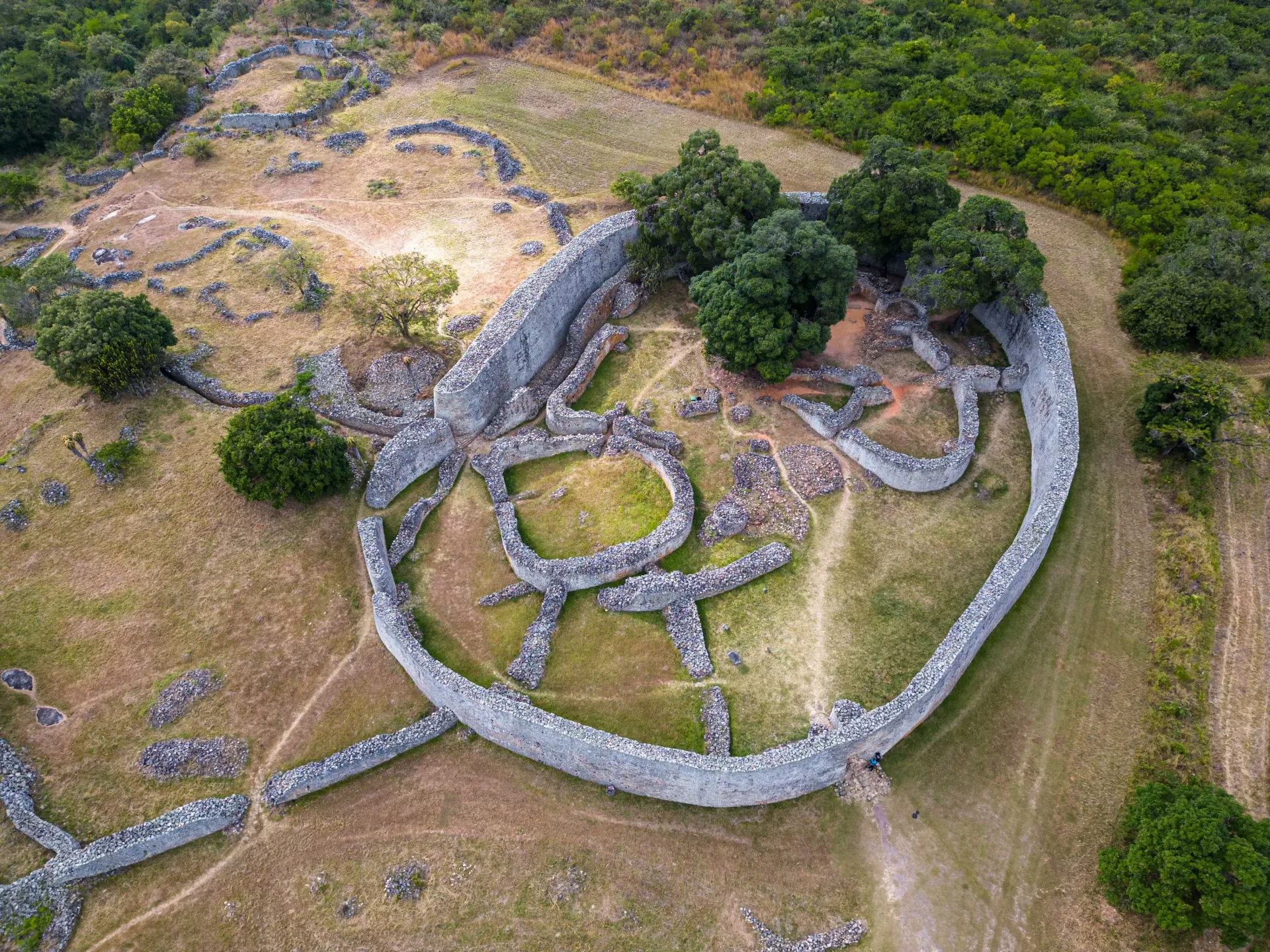
Great Zimbabwe & Matobo: Culture, Rock Art & Rhino
Great Zimbabwe & Matobo: Culture, Rock Art & Rhino
Zimbabwe
 Cultural
Customizable
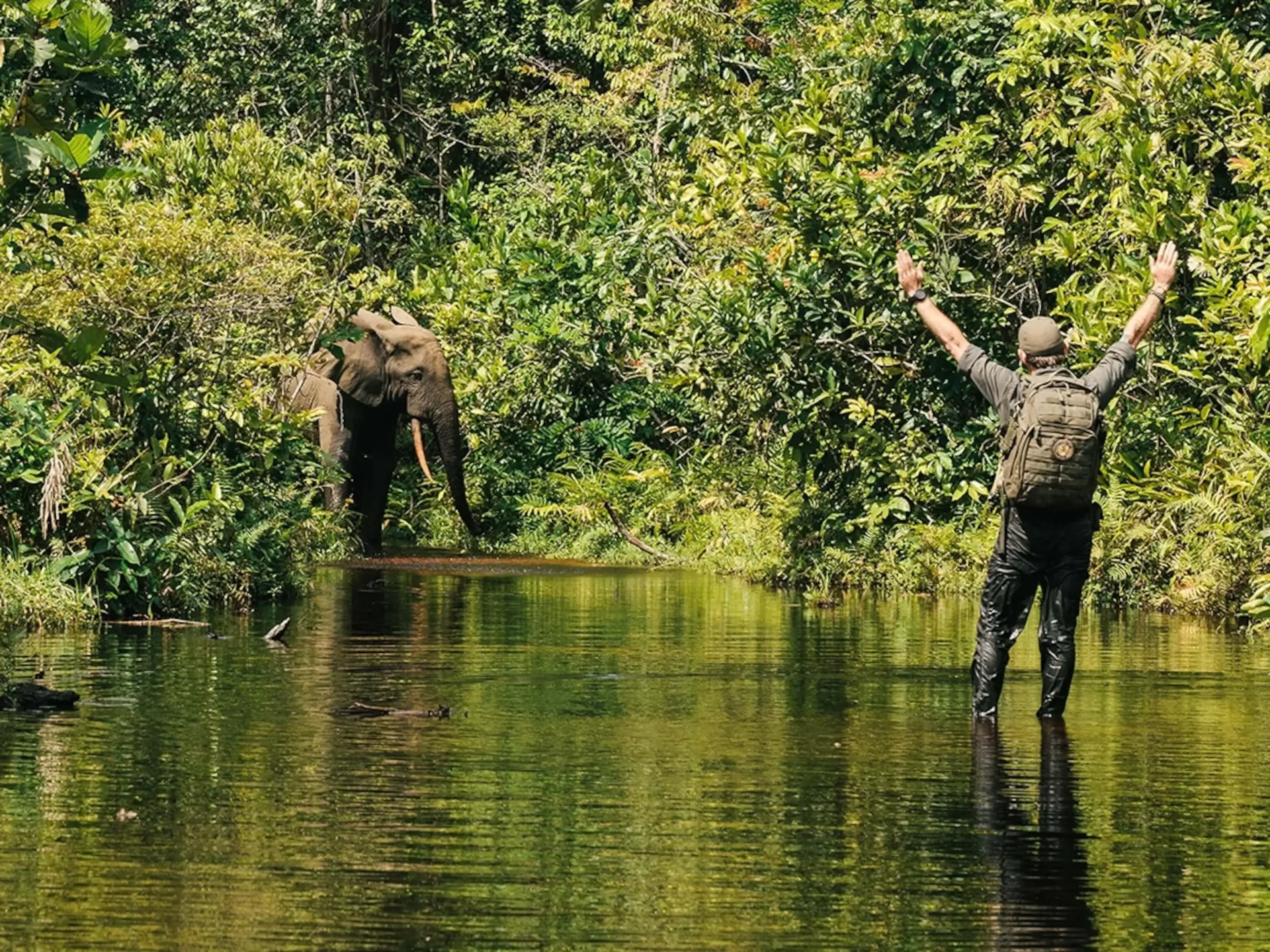
Grand Zimbabwe: The Complete Safari Journey
Grand Zimbabwe: The Complete Safari Journey
Zimbabwe
 Cultural
Customizable
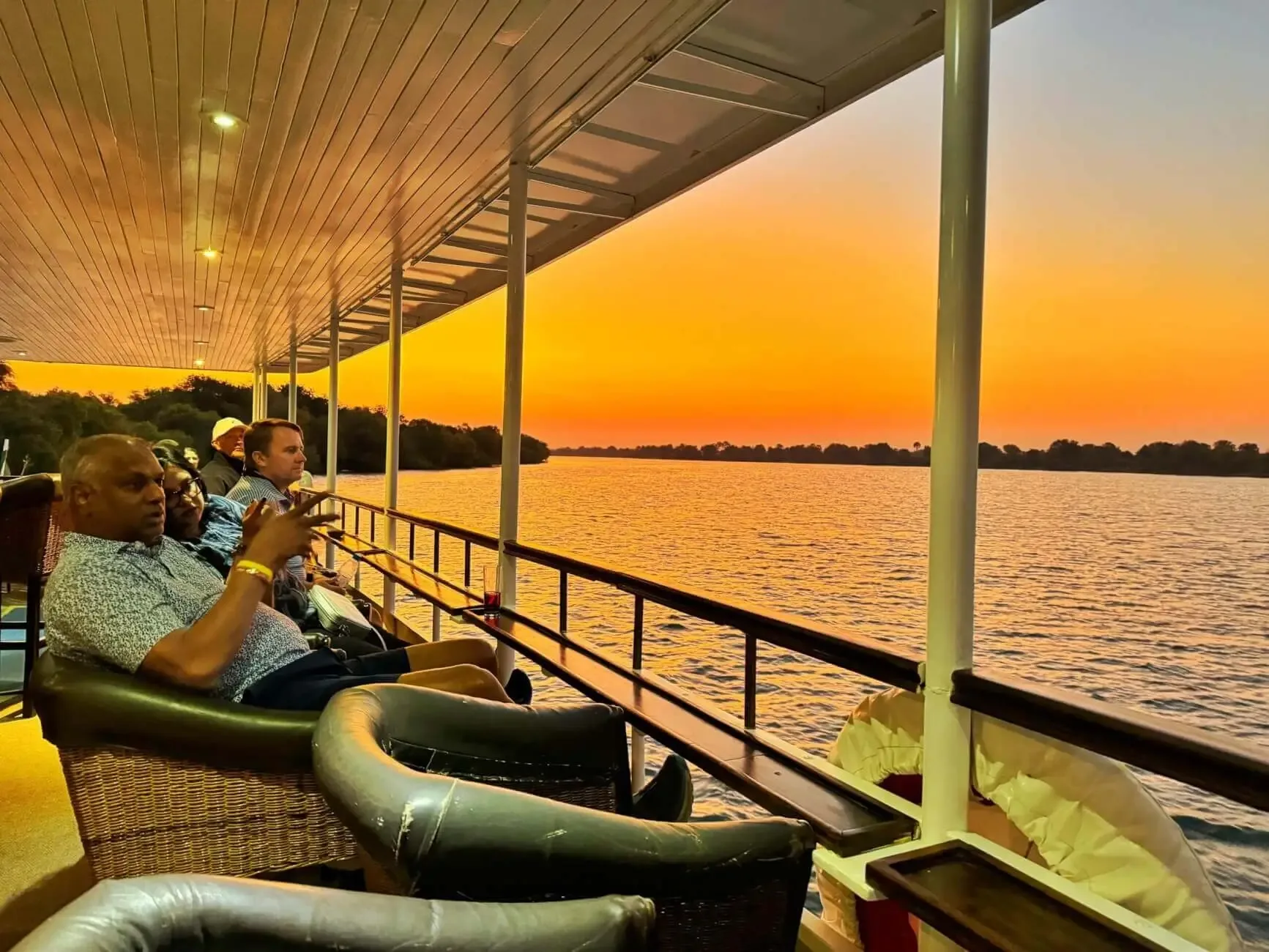
Victoria Falls & Safari: Livingstone and the Luangwa
Victoria Falls & Safari: Livingstone and the Luangwa
Zambia