8 Days • 7 Nights
Ladakh Himalayan Adventure
Tour Includes
About the Trip
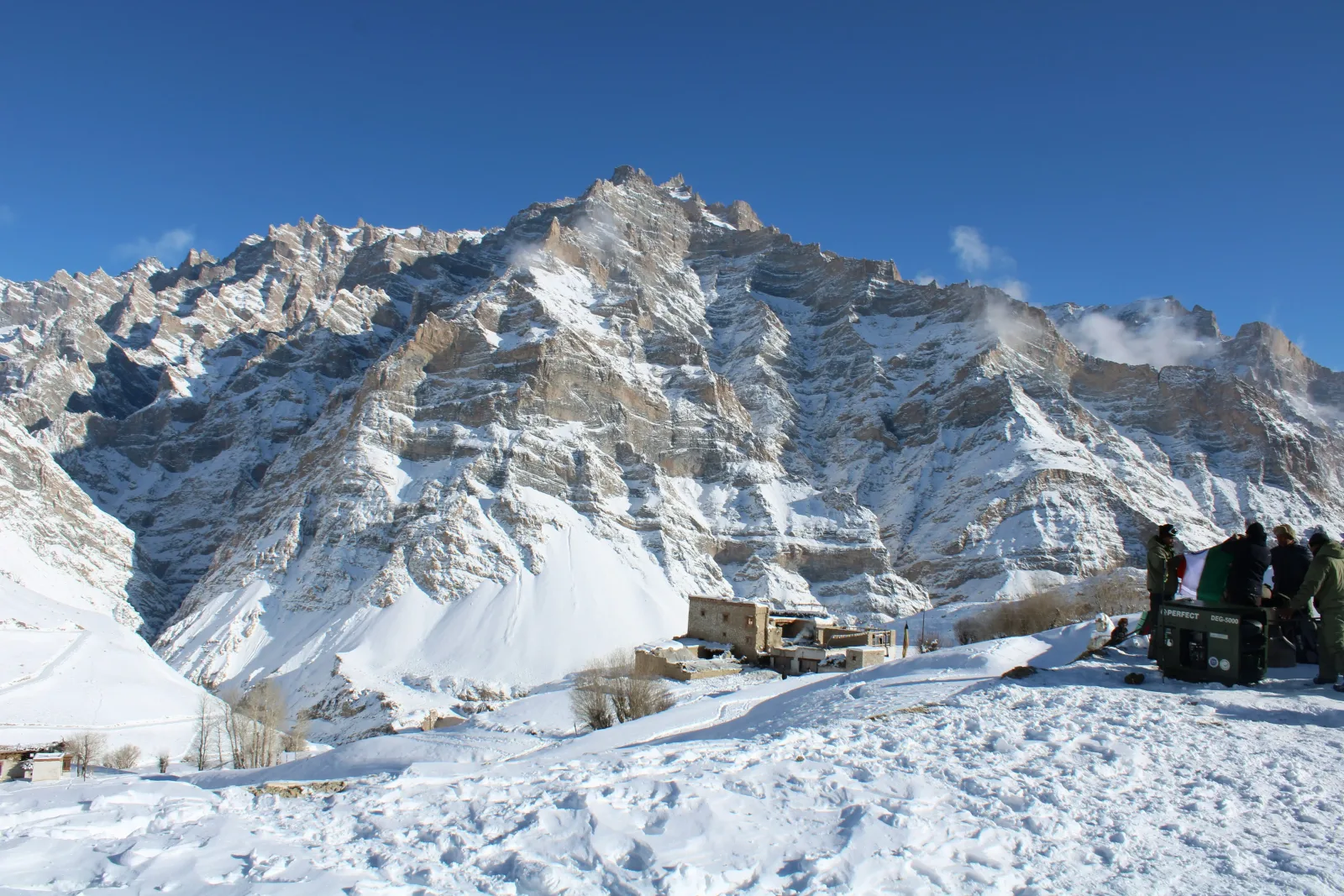
You'll acclimatise in the old town of Leh, visit the great gompas of Thiksey and Hemis perched above the Indus, cross one of the world's highest motorable passes to the Nubra Valley with its sand dunes and camels, and reach the surreal turquoise waters of Pangong Lake at 4,350 metres. Monasteries, mountains and mani stones fill the days.
With comfortable hotels and camps, a private guide and driver, and careful acclimatisation arranged, it is an unforgettable high-altitude adventure.
Trip Highlights
- The old town, palace and monasteries of Leh
- The great gompas of Thiksey and Hemis
- One of the world's highest motorable passes
- The sand dunes and camels of the Nubra Valley
- The surreal turquoise waters of Pangong Lake
- Prayer flags, mani walls and Himalayan peaks
- Ladakhi Buddhist culture and cuisine
- A private guide and driver throughout
Day by Day
A detailed day-by-day plan for this 8-day journey.
Fly into Leh at 3,500m, one of the most scenic flights in the world. Rest completely today to acclimatise to the altitude, with gentle time at the hotel.
A gentle day exploring Leh's old town, the royal palace and the Shanti Stupa, continuing to acclimatise to the thin mountain air.
Visit the spectacular hillside monasteries of the Indus Valley — Thiksey, with its great Maitreya Buddha, Hemis and Shey — amid soaring Himalayan scenery.
Cross the Khardung La, one of the world's highest motorable passes, descending into the dramatic Nubra Valley with its river, villages and desert.
Explore the Nubra Valley — the Diskit monastery and its giant Buddha, and a ride on a double-humped Bactrian camel among the sand dunes of Hunder.
A spectacular drive to Pangong Lake at 4,350m, its waters shifting through impossible shades of blue against the barren mountains, staying in a lakeside camp.
Sunrise over Pangong Lake, then the long, scenic drive back to Leh over the Chang La pass.
A final breakfast before your transfer to Leh airport for your onward flight.
Where You Will Travel
What's inside the package?
Inclusions
- Airport transfers and a private guide and driver throughout
- 3N Leh, 2N Nubra Valley, 1N Pangong Lake, 1N Leh
- Daily breakfast, a welcome dinner and camp/lodge meals in Nubra and Pangong
- Leh sightseeing — the old town, palace and Shanti Stupa
- The Thiksey, Hemis and other Indus valley monasteries
- The Khardung La pass and the Nubra Valley with a camel ride
- A visit to Pangong Lake
- Inner Line Permits and all monastery fees
Exclusions
- International airfare to and from India
- India e-Visa fees (we can assist)
- Travel insurance (strongly recommended)
- Meals not mentioned in the itinerary or inclusions
- Drinks unless specifically stated
- Camera and video fees at monuments where not stated
- Optional excursions and experiences
- Personal expenses, tips and gratuities
- Anything not specifically mentioned under Package Inclusions
Know when to go.
- Visa: Most nationalities need an India e-Visa, applied for online before you travel, with a passport valid at least six months. We can point you to the official portal
- Currency: The currency is the Indian Rupee. Cards are accepted in cities and hotels, and ATMs are widespread, but carry cash for markets, tips and smaller towns
- Best season: October to March is ideal for most of India; the Himalayas (Ladakh) are best June to September; April to June is very hot and July to September brings the monsoon
- Food & water: Drink only bottled or filtered water, and enjoy freshly cooked, hot food from busy places. A little care avoids an upset stomach; carry any usual medication
- Culture & dress: Dress modestly, especially at temples and religious sites — cover shoulders and knees, remove your shoes, and cover your head at Sikh gurdwaras. Women should dress conservatively
- The Taj Mahal: The Taj Mahal is closed on Fridays, and sunrise is the most magical (and coolest) time to visit; your itinerary is arranged around this
- Health: Consult a travel clinic about recommended vaccinations and anti-malarial advice for your route. Comprehensive travel insurance is essential
- The pace of India: India is intense, colourful and can be overwhelming — expect crowds, noise and contrast. A private guide and driver make it wonderfully smooth and rewarding
- Tipping: Tipping (baksheesh) is customary for guides, drivers and hotel staff; small amounts are appreciated and we can advise on norms
- Connectivity & power: A local SIM requires registration, so an eSIM is often easier. Power is 230V with type C/D/M plugs, so bring a universal adapter
Frequently Asked Questions
What meals are included?
Daily breakfast is included throughout, along with a welcome dinner and the specific meals named in the itinerary (and all meals on the Kerala houseboat). Other meals are left free so you can explore India's incredible regional cuisines.
Are transfers and touring private?
Yes — you travel with your own private guide and chauffeur-driven car in each region, which makes travelling India wonderfully smooth and comfortable.
Do I need a visa for India?
Most visitors need an India e-Visa, applied for online before travel. We guide you to the official portal and the requirements for your nationality.
When is the best time to visit?
October to March is ideal for most of India, with pleasant days and cool nights. The Himalayas are best in summer (June-September); April to June is very hot and the monsoon runs July to September.
Is it safe and easy to travel in India?
Yes — with a private guide and driver, India is smooth, safe and deeply rewarding. Take normal care with food and water, dress modestly at sites, and let the colour and warmth of the country win you over.
Can the itinerary be customised?
Absolutely. Durations, cities, hotels and experiences can all be tailored, and we can add a tiger safari, Varanasi, Kerala, Ladakh or the palaces of Rajasthan. Just tell us what you have in mind.
How do we travel between cities?
By chauffeur-driven car for shorter legs and by domestic flight or train for longer ones — all included and arranged, with a private guide in each destination.
How do we handle the high altitude?
Leh sits at 3,500m and Pangong at 4,350m, so we build in a full rest day on arrival and ascend gradually. Drink plenty of water, avoid exertion at first, and anyone with heart or lung conditions should consult a doctor before travelling.
When can this trip run?
Ladakh is accessible roughly June to September, when the passes are open and the weather is mild. In winter the region is snowbound and largely cut off by road.
More Adventure Journeys
 Adventure
Customizable
Adventure
Customizable
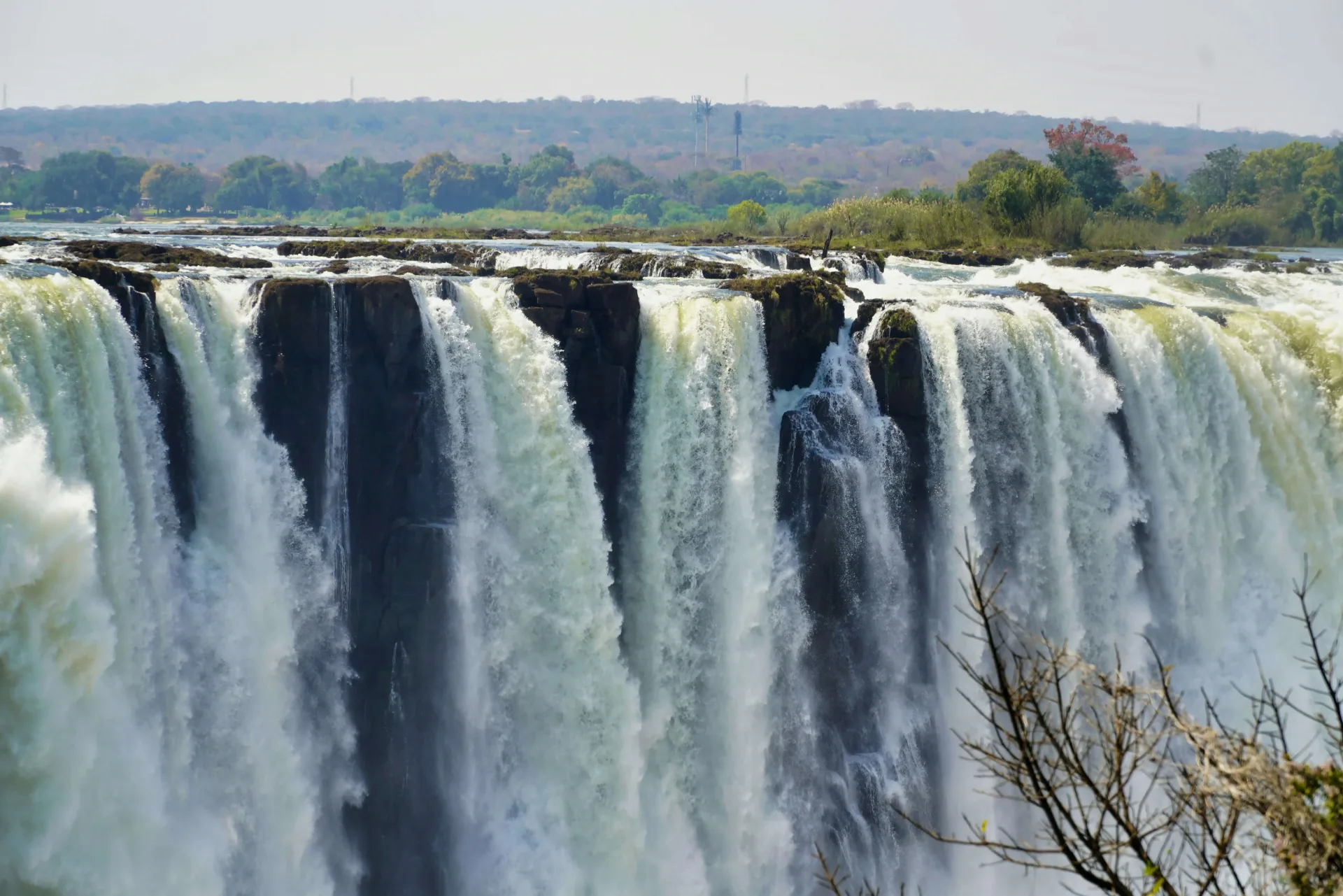
Highlights of Zimbabwe: Victoria Falls & Hwange
Highlights of Zimbabwe: Victoria Falls & Hwange
Zimbabwe
 Adventure
Customizable
Adventure
Customizable
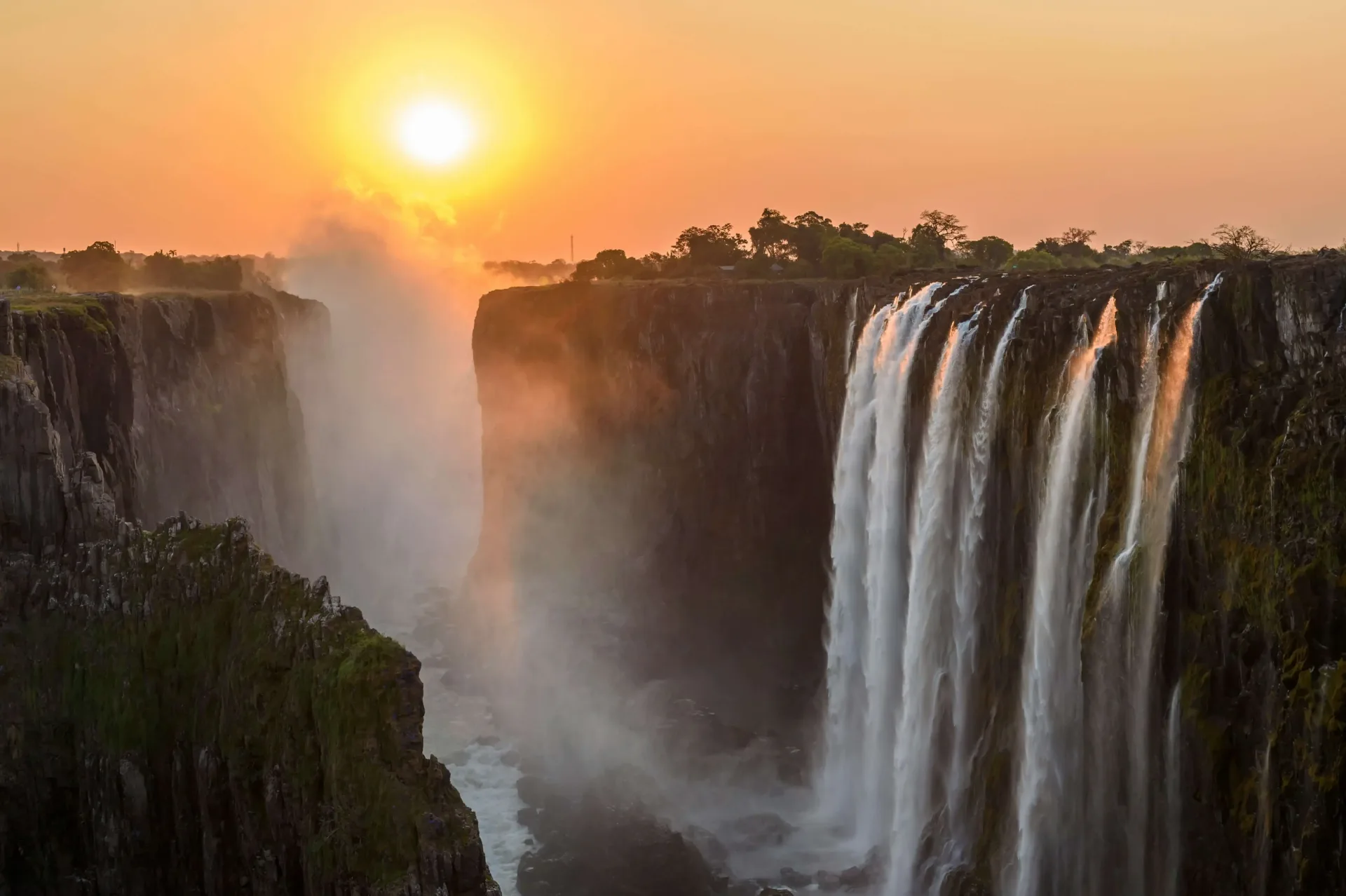
Victoria Falls Adventure: The Smoke that Thunders
Victoria Falls Adventure: The Smoke that Thunders
Zimbabwe
 Adventure
Customizable
Adventure
Customizable
Hwange & Mana Pools: A Great Zimbabwe Safari
Hwange & Mana Pools: A Great Zimbabwe Safari
Zimbabwe