13 Days • 12 Nights
Grand Korea & Jeju
Tour Includes
About the Trip
You'll explore Seoul's palaces and hanok lanes, gaze across the border, step into the Hahoe folk village, wander Gyeongju's Buddhist wonders, take in Busan's beaches and markets, and finish among Jeju's craters and coast. Korean barbecue, temple food and volcanic vistas thread it all together.
With hand-picked hotels, private guides and all trains and flights arranged, it is Korea in full — an unforgettable fortnight.
Trip Highlights
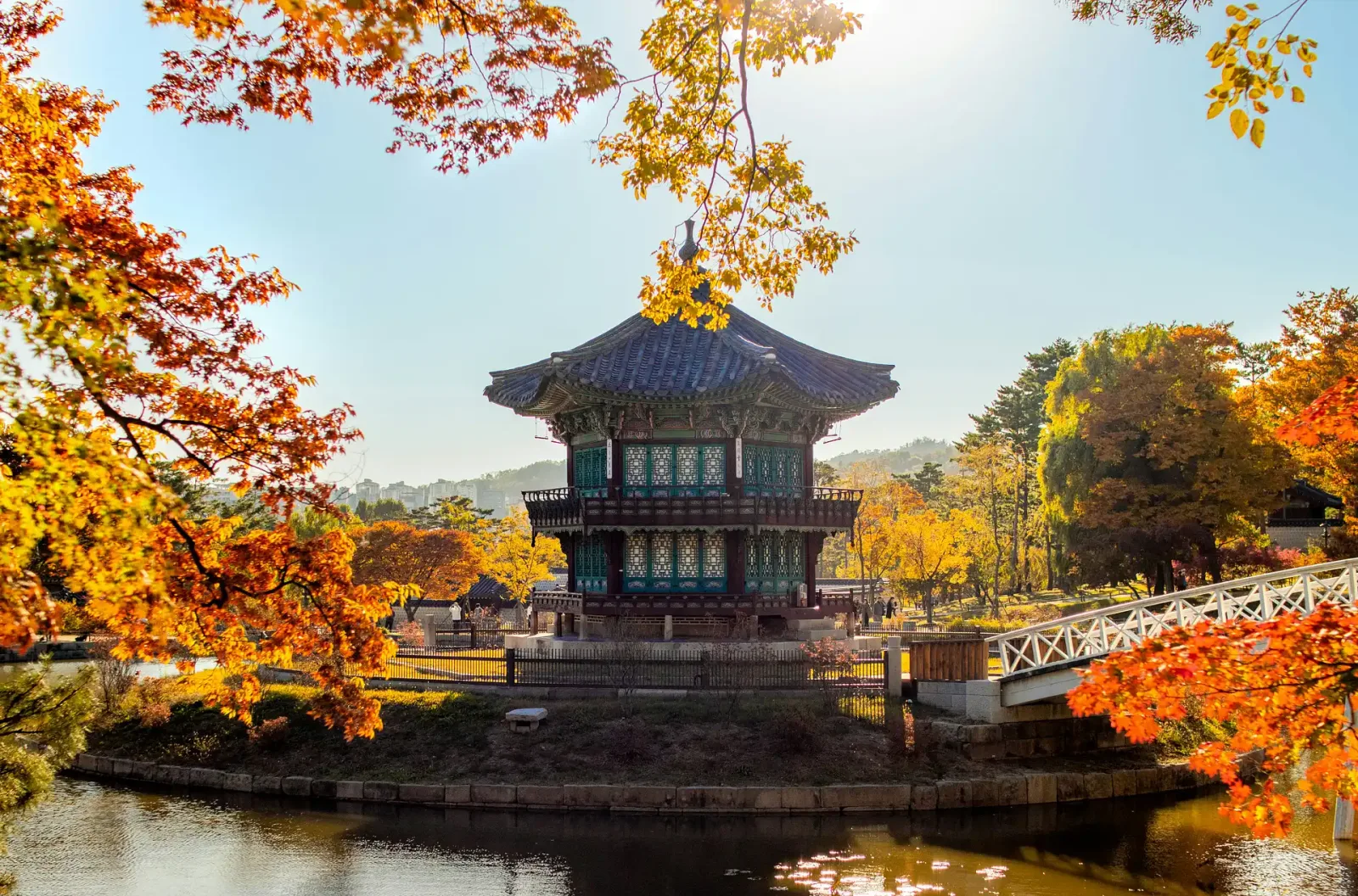
- Seoul's palaces, hanok lanes and the DMZ
- The UNESCO Hahoe folk village near Andong
- Ancient Gyeongju — Bulguksa and the royal tombs
- Busan's beaches, temple and markets
- Jeju's sunrise crater and lava coast
- A temple or cultural experience
- A Korean barbecue and Jeju seafood
- KTX trains and flights included
Day by Day
A detailed day-by-day plan for this 13-day journey.
Arrive and settle in, with a welcome Korean barbecue dinner.
Gyeongbokgung Palace, Bukchon Hanok Village, Insadong and the N Seoul Tower.
A tour to the Demilitarised Zone and the border with North Korea, with a free afternoon in Seoul.
Travel to Andong and the UNESCO Hahoe folk village with its thatched houses and mask-dance tradition.
Visit a Confucian academy, then travel to Gyeongju, with an afternoon among its royal burial mounds.
The UNESCO Bulguksa Temple, the Seokguram Grotto, the Anapji pond and the national museum, with a bibimbap lunch.
Travel to Busan, exploring the pastel Gamcheon Culture Village and the clifftop Haedong Yonggungsa temple.
Haeundae Beach, the Jagalchi fish market, Nampo-dong and the Songdo cable car.
A free day in Busan — the beaches, an optional island or a temple, at your own pace.
Fly to the volcanic island of Jeju, exploring the coast and a waterfall on arrival.
Climb the Seongsan Ilchulbong sunrise crater, explore a lava tube and meet the haenyeo divers, with a seafood lunch.
The Hallim Park gardens, the Jusangjeolli lava cliffs and a tea plantation.
A final breakfast before your transfer to Jeju airport.
Where You Will Travel
What's inside the package?
Inclusions
- Private airport transfers and private guides throughout
- 3 nights Seoul, 1 night Andong, 2 nights Gyeongju, 3 nights Busan, 3 nights Jeju
- Daily breakfast, a welcome Korean barbecue dinner, a bibimbap lunch and a Jeju seafood lunch
- A Seoul city tour and a DMZ half-day tour
- The Hahoe folk village near Andong
- Gyeongju touring — Bulguksa, Seokguram and the royal tombs
- A Busan tour and a Jeju island tour with the sunrise crater
- KTX trains and domestic flights as arranged
Exclusions
- International airfare to and from South Korea
- K-ETA or visa fees where applicable
- Travel insurance (strongly recommended)
- Meals not mentioned in the itinerary or inclusions
- Drinks unless specifically stated
- Optional excursions and experiences
- Personal expenses and gratuities
- Anything not specifically mentioned under Package Inclusions
Know when to go.
- Visa: Many nationalities enter South Korea visa-free but must apply online for a K-ETA travel authorisation before flying; check your passport's status. Your passport should be valid for the duration of your stay
- Currency: The currency is the Korean Won. Cards are accepted almost everywhere, and a rechargeable T-money card makes subways, buses and taxis effortless
- Getting around: Korea's KTX high-speed trains and superb subways are fast, clean and punctual; some legs use domestic flights to Jeju, all arranged for you
- Best seasons: Spring (April, for cherry blossom) and autumn (October, for foliage) are the loveliest. Summer is hot, humid and has a July monsoon; winter is cold and good for snow and skiing
- Language: Korean is the language, with English signage in cities and on transport. A translation app is handy, especially in the countryside
- Etiquette: Tipping is not customary and can cause confusion. Bow in greeting, use both hands to give and receive, and remove your shoes when entering homes, temples and some restaurants
- The DMZ: The Demilitarised Zone tour requires your passport, advance booking and a modest dress code, all of which we arrange; itineraries can change at short notice for security reasons
- Connectivity: Korea has some of the world's fastest internet and free wifi almost everywhere; a local SIM or eSIM keeps you connected on the move
- Food: Korean food is delicious and often shared and spicy. Vegetarians should note many dishes use fish or meat stock; we can flag good options and restaurants
- Power & health: Power is 220V with type C/F plugs, so bring an adapter. Tap water is safe, and comprehensive travel insurance is recommended
Frequently Asked Questions
What meals are included?
Daily breakfast is included throughout, along with a welcome dinner (often a Korean barbecue) and the specific meals named in the itinerary, such as a bibimbap lunch. Other meals are left free so you can enjoy Korea's incredible food scene.
Are transfers and touring arranged?
Yes — your airport transfers, KTX tickets and guided touring are arranged for you, with private guides in the main cities.
Do I need a visa for South Korea?
Many nationalities are visa-free but must obtain a K-ETA travel authorisation online before flying. We guide you through the requirements for your passport.
When is the best time to visit?
Spring (April) for cherry blossom and autumn (October) for foliage are the most beautiful. Summer is hot and humid with a July monsoon; winter is cold and great for snow.
Do I tip in Korea?
No — tipping is not customary in South Korea and is generally not expected, which makes things simple. Excellent service is simply the norm.
Can the itinerary be customised?
Absolutely. Durations, cities, hotels and experiences can all be tailored, and we can add the DMZ, Jeju Island, a temple stay or a K-pop experience. Just tell us what you have in mind.
How do we travel between cities?
By Korea's superb KTX high-speed trains and, for Jeju, a short domestic flight — all included and arranged with reservations.
Is thirteen days too much for Korea?
Not at all — with multi-night stays and fast trains, the pace stays comfortable while covering the full breadth of the country, from folk villages to a volcanic island.
Do we need a K-ETA?
Many nationalities are visa-free but must obtain a K-ETA travel authorisation online before flying. We guide you through it for your passport.
More Adventure Journeys
 Adventure
Customizable
Adventure
Customizable
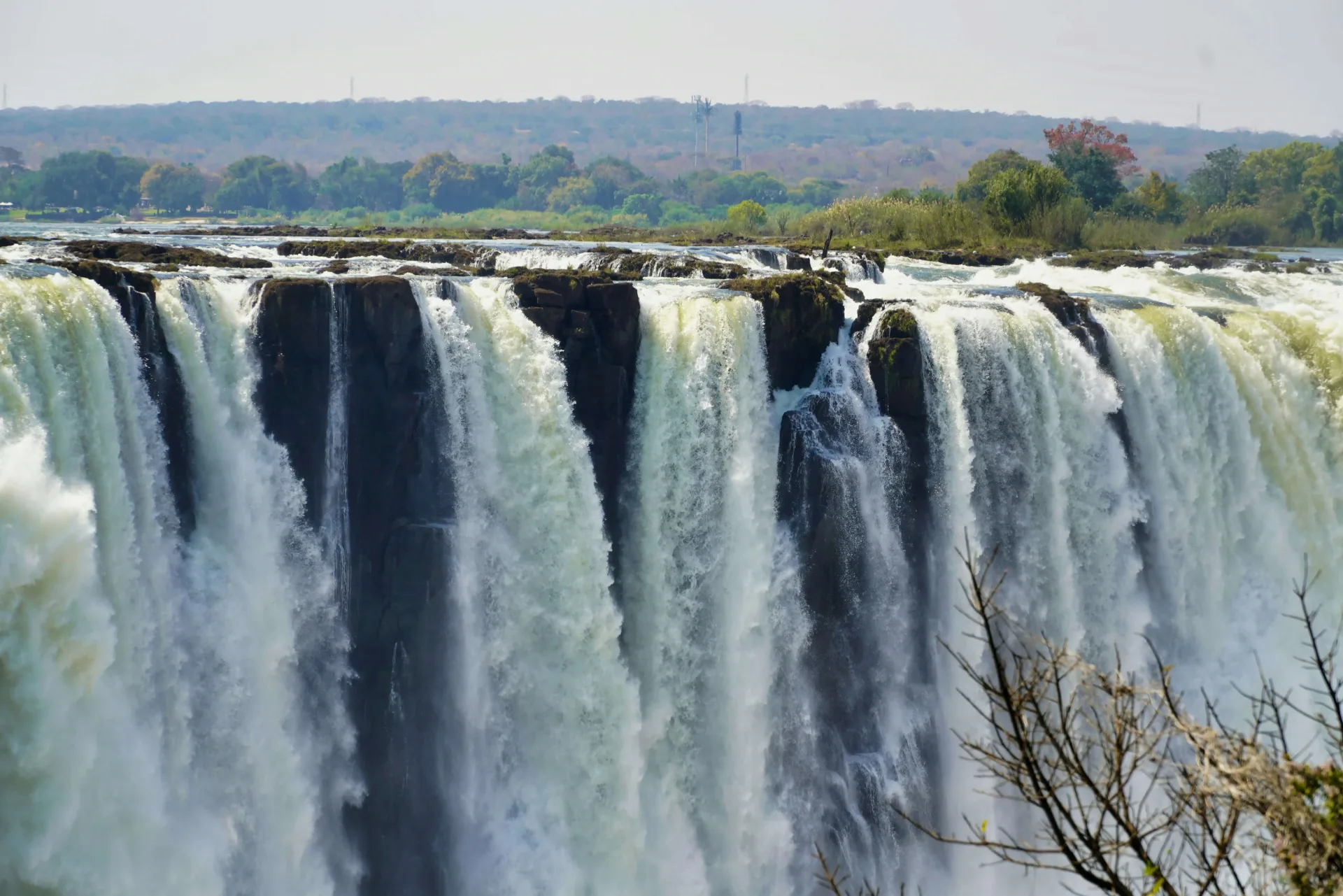
Highlights of Zimbabwe: Victoria Falls & Hwange
Highlights of Zimbabwe: Victoria Falls & Hwange
Zimbabwe
 Adventure
Customizable
Adventure
Customizable
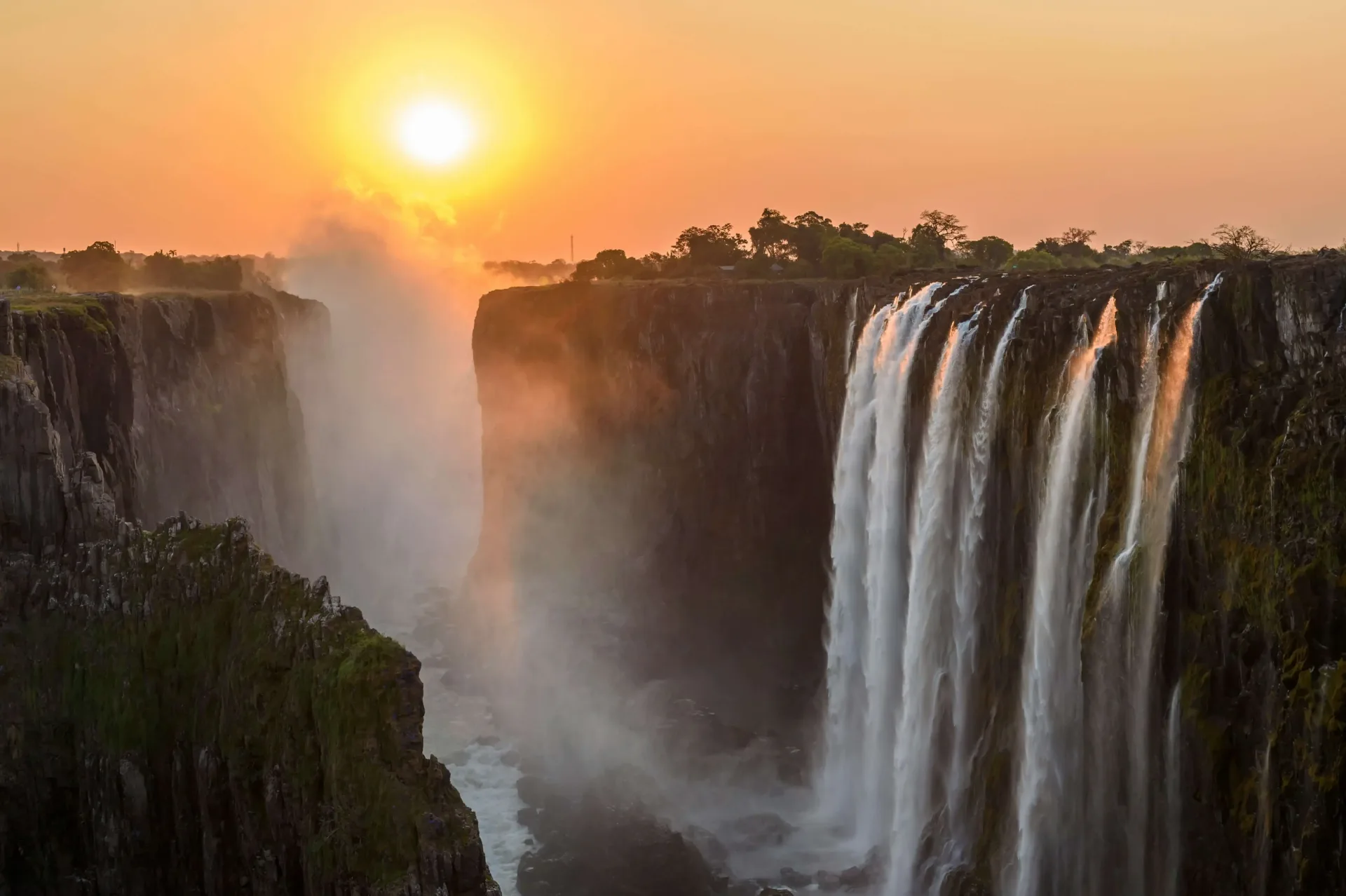
Victoria Falls Adventure: The Smoke that Thunders
Victoria Falls Adventure: The Smoke that Thunders
Zimbabwe
 Adventure
Customizable
Adventure
Customizable
Hwange & Mana Pools: A Great Zimbabwe Safari
Hwange & Mana Pools: A Great Zimbabwe Safari
Zimbabwe