
7 Days • 6 Nights
Djerba & the South: Island, Berbers & the Desert Edge
Tour Includes
About the Trip
Trip Highlights
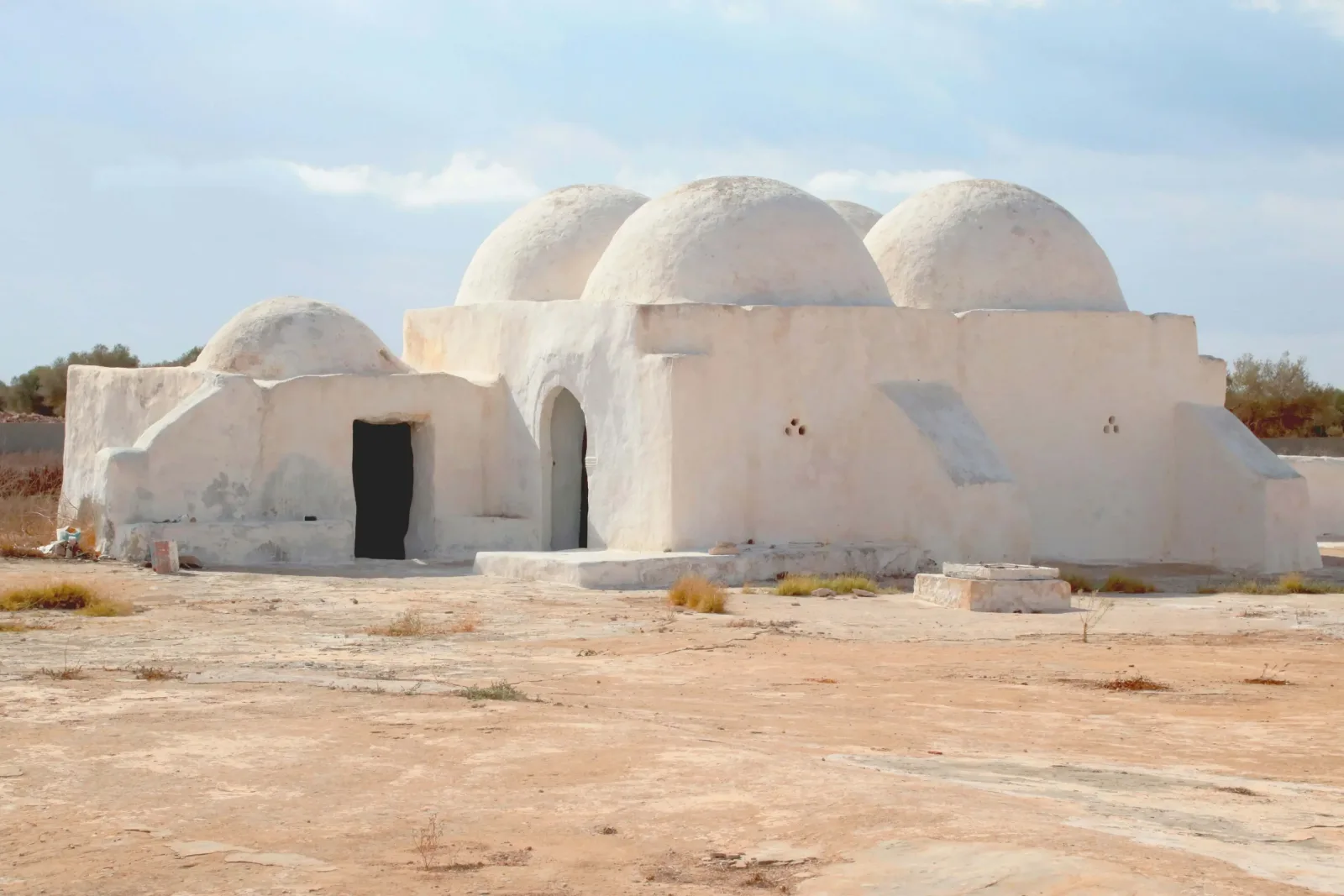
- The beautiful island of Djerba, with its beaches, souks and rich heritage, is a captivating highlight. Djerba, off Tunisia's south-eastern coast, is a relaxed, whitewashed island of palm groves, fishing villages and long sandy beaches, with a gentle pace and a remarkably tolerant, layered heritage of Muslims, Jews and Christians. You explore its lively main town of Houmt Souk, with its atmospheric souks, old fondouks (merchants' inns) and fish market, wander its whitewashed villages dotted with distinctive mosques, and relax on beautiful beaches lapped by warm, clear water. The island light, whitewashed architecture and easy atmosphere are captivating.
- The ancient El Ghriba synagogue, one of the oldest in the world, is a fascinating highlight. On the island of Djerba stands the El Ghriba synagogue, one of the oldest synagogues in the world and among the most important in North Africa, its origins tied to legend and to a Jewish community with roots on the island stretching back over two thousand years. You step inside its beautiful, intimate interior, richly decorated with blue tilework, ornate lamps and arches, a serene and moving place that remains a site of annual pilgrimage. It stands as a symbol of Djerba's long tradition of coexistence and tolerance.
- The extraordinary underground Berber homes of Matmata, famous from Star Wars, are a fascinating highlight. In the arid hills of the south, the Berber people of Matmata created remarkable troglodyte homes, dug deep into the soft earth as sunken courtyards ringed by cave rooms, cool in summer and warm in winter. Some families still live in these extraordinary dwellings, and you are often welcomed inside to see how they are arranged around their central pit. Matmata found worldwide fame as a Star Wars filming location, where one such home became the boyhood residence of Luke Skywalker, still visitable today. The ingenuity and otherworldly landscape are captivating.
- Riding a camel into the golden dunes of the Sahara at Douz is a magical highlight. Douz, the gateway to the Sahara, sits where the palm groves give way to the great sea of sand, and it is the traditional starting point for desert caravans. In the golden light of late afternoon you ride a camel out among the dunes with your Berber hosts, the caravan swaying gently across the sand, and climb a high dune to watch a spectacular Saharan sunset set the desert aglow in shades of gold, amber and rose. The silence, scale and beauty of the great desert are unforgettable.
- The palm oases of Tozeur and the fortified Berber south add beauty and heritage to this journey. In the deep south you also discover the extraordinary fortified granaries (ksour) and hilltop villages of the Berbers, such as Ksar Ouled Soltane and Chenini, honeycombs of vaulted storerooms rising in dramatic tiers, and you end amid the palm groves of Tozeur, a historic oasis town famous for its patterned brickwork and its immense palmeraie of hundreds of thousands of date palms fed by desert springs. The desert light, oasis greenery and Berber architecture are captivating.
- Above all, this journey offers a beautiful, varied immersion in the island and desert south of Tunisia. The sunny south is a world apart, and this journey immerses you in it. Over seven days you explore the beaches, souks and heritage of Djerba, including the ancient El Ghriba synagogue, the fortified Berber villages and underground homes of Matmata, the golden dunes of the Sahara at Douz and the palm oases of Tozeur. The combination of island relaxation, rich cultural and religious heritage, extraordinary Berber architecture and golden desert makes this journey utterly captivating.
Day by Day
A detailed day-by-day plan for this 7-day journey.
Your journey through the beautiful south of Tunisia begins as you arrive on the sunny island of Djerba, flying in to Djerba-Zarzis International Airport, where you are met and transferred to your hotel by the sea. Djerba is a relaxed, whitewashed island of palm groves, fishing villages and long sandy beaches, and its gentle pace is felt from the moment you arrive. Spend the rest of the day settling in and relaxing after your journey, perhaps taking a first swim in the warm, clear sea or a stroll along the beach. This evening, a welcome dinner introduces you to the delicious flavours of Djerban and Tunisian cuisine, from fresh fish to spiced stews, and to the journey ahead through the island, the Berber south and the desert. Rest well, ready to explore beautiful Djerba tomorrow.
Today you explore the beautiful island of Djerba. You visit its lively main town of Houmt Souk, wandering its atmospheric souks, old fondouks (merchants' inns) and colourful fish market, and browsing for pottery, textiles, jewellery and spices. You visit the ancient El Ghriba synagogue, one of the oldest in the world and a place of annual pilgrimage, stepping into its serene, beautifully tiled interior, a symbol of the island's long tradition of tolerance. You take in whitewashed villages dotted with distinctive fortified mosques, and perhaps the heritage museum of Guellala with its pottery tradition. The island's light, architecture and layered heritage are captivating. As the day ends, you return to your hotel. This evening, savour fresh island seafood by the sea. Rest well, ready for a relaxed beach day tomorrow.
Today you enjoy a relaxed day on beautiful Djerba, one of the loveliest islands in the Mediterranean. You might relax on its long sandy beaches and swim in the warm, clear sea, try water sports or a boat trip, or explore more of the island at your own pace, from its palm groves and quiet villages to the Djerbahood street-art quarter of Erriadh, where international artists have transformed the walls with murals. You could visit a traditional pottery workshop or simply unwind by the pool. This flexible day lets you soak up the island's gentle atmosphere before the journey inland. The relaxed pace and beautiful setting are delightful. As the day ends, you savour the island calm. This evening, enjoy dinner by the sea, perhaps watching the sunset. Rest well, ready to cross to the Berber south tomorrow.
Today you leave the island and journey into the Berber south. Crossing to the mainland, you discover the extraordinary fortified granaries (ksour) of the region, such as Ksar Ouled Soltane, a honeycomb of vaulted storerooms rising in dramatic tiers, and perhaps the spectacular hilltop village of Chenini, clinging to a ridge above the plains. You continue to Matmata, where the Berber people created remarkable underground troglodyte homes, dug deep into the soft earth as sunken courtyards ringed by cave rooms. You are often welcomed inside one, and visit the famous Star Wars filming location where one such home became Luke Skywalker's. The ingenuity and otherworldly landscape are captivating. As the day ends, you settle into your accommodation in Matmata, perhaps a converted troglodyte hotel. This evening, savour the unique setting. Rest well, ready for the Sahara tomorrow.
Today you journey to the edge of the great desert at Douz, the gateway to the Sahara. You travel from the Berber hills across changing landscapes to Douz, where the palm groves give way to the great sea of sand and desert caravans have set out for centuries. In the golden light of late afternoon you ride a camel out among the dunes with your Berber hosts, the caravan swaying gently across the sand, and climb a high dune to watch a spectacular Saharan sunset set the desert aglow in shades of gold and rose. As night falls, you dine and sleep at a desert camp beneath a canopy of brilliant stars, enjoying the silence and beauty of the Sahara. Rest well amid the golden dunes of the great desert of Tunisia at Douz.
You wake to a beautiful dawn over the dunes of the Sahara, then journey west across the desert towards Tozeur. Your route crosses the vast Chott el Jerid, a shimmering salt lake that stretches to the horizon in a mirage of white, pink and blue, one of the most surreal and beautiful landscapes in Tunisia. You arrive in Tozeur, a historic oasis town famous for its distinctive patterned brickwork and its immense palm grove of hundreds of thousands of date palms fed by desert springs. You explore the atmospheric old quarter of Ouled el Hadef and step into the great palmeraie. The desert light and oasis greenery are magical. As the day ends, you settle into Tozeur. This evening, savour the peace of the oasis and perhaps watch the sunset over the palms. Rest well ahead of your departure tomorrow.
After a final morning amid the palm groves of Tozeur, perhaps a last stroll in the great palmeraie or a visit to the old quarter, you are transferred to Tozeur-Nefta International Airport for your flight onward (via Tunis) and your international departure. You leave having explored the beautiful south of Tunisia, the beaches, souks and heritage of Djerba, the ancient El Ghriba synagogue, the fortified Berber villages and underground homes of Matmata, the golden dunes of the Sahara at Douz and the palm oases of Tozeur. The images stay vivid long after you land, the whitewashed lanes of Djerba, the tiled interior of El Ghriba, the sunken courtyards of Matmata, and the camel caravan against a Saharan sunset. Tunisia's south offers beauty, culture and gentle adventure in abundance, and you depart already dreaming of a return.
Where You Will Travel
What's inside the package?
Inclusions
- 6 nights accommodation, a welcome dinner on Djerba and dinner at the Sahara desert camp near Douz
- Daily breakfast
- Airport and land transfers in air-conditioned vehicles
- Touring and sightseeing as per itinerary with expert local guides
- Entrance fees to sites, museums and monuments as per itinerary
- Private touring with an expert local guide (with 4x4 for desert stretches), a Djerba island tour with the El Ghriba synagogue, a Berber ksour and Matmata visit, a Douz camel trek, a Tozeur oasis tour, and all entrance fees
Exclusions
- International airfare
- Visa or tourist card fees where applicable
- Travel insurance (strongly recommended)
- Some lunches and dinners not specified
- Optional water sports on Djerba and tips for guides and drivers
- Meals not mentioned in the itinerary or inclusions
- Drinks unless specifically stated
- Optional excursions and experiences
- Personal expenses and gratuities
- Anything not specifically mentioned under Package Inclusions
Know when to go.
- Visa & entry: Many nationalities (including the EU, UK, US, Canada and Australia) can enter Tunisia visa-free for tourist stays of up to 90 days, receiving a stamp on arrival; a passport valid for at least three to six months beyond your stay is required. Requirements can change, so we confirm the exact rules for your nationality and advise on any documents needed before you travel
- Currency: The currency is the Tunisian Dinar (TND), a closed currency you exchange on arrival (not beforehand) and convert back before you leave; cards are accepted in hotels, larger restaurants and shops in Tunis and the resorts, but carry cash for souks, taxis, cafes, tips and rural areas, where ATMs are common in towns
- Best time to visit: Spring (March to May) and autumn (September to November) are ideal, with warm, sunny, comfortable days perfect for Roman sites, the medinas, the coast and the desert; summer (June to August) is hot and best for the beaches, while the Sahara is most comfortable from October to April, when desert days are pleasant and nights cool
- Language & etiquette: Arabic is the official language, French is very widely spoken, and English is understood in tourism; Tunisia is a relaxed, moderate Muslim country, and modest dress is appreciated, especially at mosques and religious sites (cover shoulders and knees), while beach resorts are relaxed. A little French or Arabic and a friendly manner are always warmly received
- Getting around: Touring is by private air-conditioned vehicle with your driver-guide, with some long but scenic drives across a compact country, from the northern coast to the Sahara; internal flights (Tunis to Djerba or Tozeur) can shorten longer journeys, and we plan the most comfortable routing, with 4x4 vehicles used for desert stretches such as Ksar Ghilane
- Health & safety: Tunisia is a welcoming destination and travel is generally smooth; we monitor conditions and follow official advice. Drink bottled water, use sun protection in the strong North African sun, and bring any personal medication. No special vaccinations are usually required, though we recommend routine vaccinations are up to date; travel insurance is strongly advised
- Culture & history: Tunisia layers Punic Carthage, superb Roman cities (El Jem, Dougga, Carthage), the holy Islamic city of Kairouan, atmospheric medinas, Berber villages and Saharan oases; dress respectfully at the Great Mosque of Kairouan and other religious sites, ask before photographing people, and bargaining is normal and good-humoured in the souks
- Power & practicalities: Power is 230V with European-style type C and E plugs, so bring an adapter; tipping (a few dinars) is customary for guides, drivers and in restaurants. Friday is the main prayer day and some sites adjust hours; we build the itinerary around opening times so you see each place at its best
Frequently Asked Questions
What makes Djerba special?
Djerba is a relaxed, sun-drenched island of whitewashed villages, palm groves and long sandy beaches, with a uniquely tolerant, layered heritage. Its Jewish community is one of the oldest in the world, centred on the beautiful El Ghriba synagogue, and its distinctive fortified mosques, lively souks in Houmt Souk and the Djerbahood street-art quarter all add character. It combines genuine culture with easy beach relaxation, making it a wonderful place to begin or end a journey through the Tunisian south.
Does this trip combine culture with relaxation?
Yes, beautifully. It begins with three relaxed nights on Djerba, with time for beaches, swimming and island exploration, then moves into the rich culture and gentle adventure of the Berber south, Matmata, the Sahara at Douz and the oasis of Tozeur. You get the best of both, sun and sea alongside extraordinary heritage and desert scenery. We can add more beach time on Djerba, an extra desert night, or Roman sites further north to tailor the balance to you.
What meals are included?
Daily breakfast is included, along with any meals named in the itinerary (typically dinners at desert camps and some half-board or remote stays). Tunisian cuisine is delicious and varied, from couscous, brik and grilled fish to harissa, fresh salads, olives, dates and mint tea, and we usually leave lunches and some dinners free so you can explore, recommending the best local restaurants at every stage of your journey.
Are the tours private or in a group?
Your journey is private by default, with your own expert local driver-guide and air-conditioned vehicle, giving you flexibility, depth and a pace tailored to you; small-group options can be arranged if you prefer. Tunisia's knowledgeable guides bring the Roman cities, medinas, mosques, Berber villages and Saharan oases vividly to life, greatly enriching every visit, with 4x4 vehicles used for the desert stretches of the journey.
Do I need a visa for Tunisia?
Many nationalities, including the EU, UK, US, Canada and Australia, can enter Tunisia visa-free for tourist stays of up to 90 days, receiving a stamp on arrival, and a passport valid for at least three to six months beyond your stay is required. We confirm the exact, current requirements for your nationality and advise on any documents needed, so entry is smooth and straightforward.
Is Tunisia safe to visit?
Tunisia is a warm and welcoming country and the main tourist regions, from Tunis, Carthage and the coast to Kairouan, the Roman sites and the Saharan oases, are well set up for visitors and travel there is generally smooth. We continuously monitor conditions, use trusted local guides and drivers, and follow official guidance at all times, planning routes and timings so your journey is comfortable, rewarding and reassuring throughout.
When is the best time to visit?
Spring (March to May) and autumn (September to November) are ideal, with warm, sunny, comfortable days perfect for the Roman sites, medinas, coast and desert. Summer is hot and best suited to the beaches, while the Sahara is most comfortable from October to April. We advise on the best timing for your interests and the regions you wish to see, and tailor the itinerary to the season.
Can the itinerary be customised?
Absolutely. We can adjust the balance of Tunis and Carthage, the Roman cities, Kairouan, the Sahara and oases, the Berber south and the Mediterranean coast, add nights at a desert camp or a beach resort, include Djerba or extra Roman ruins, and tailor the pace, comfort and focus to you. Every itinerary is a flexible starting point for your ideal journey through beautiful and varied Tunisia.
More Beach Journeys
 Beach
Customizable
Beach
Customizable
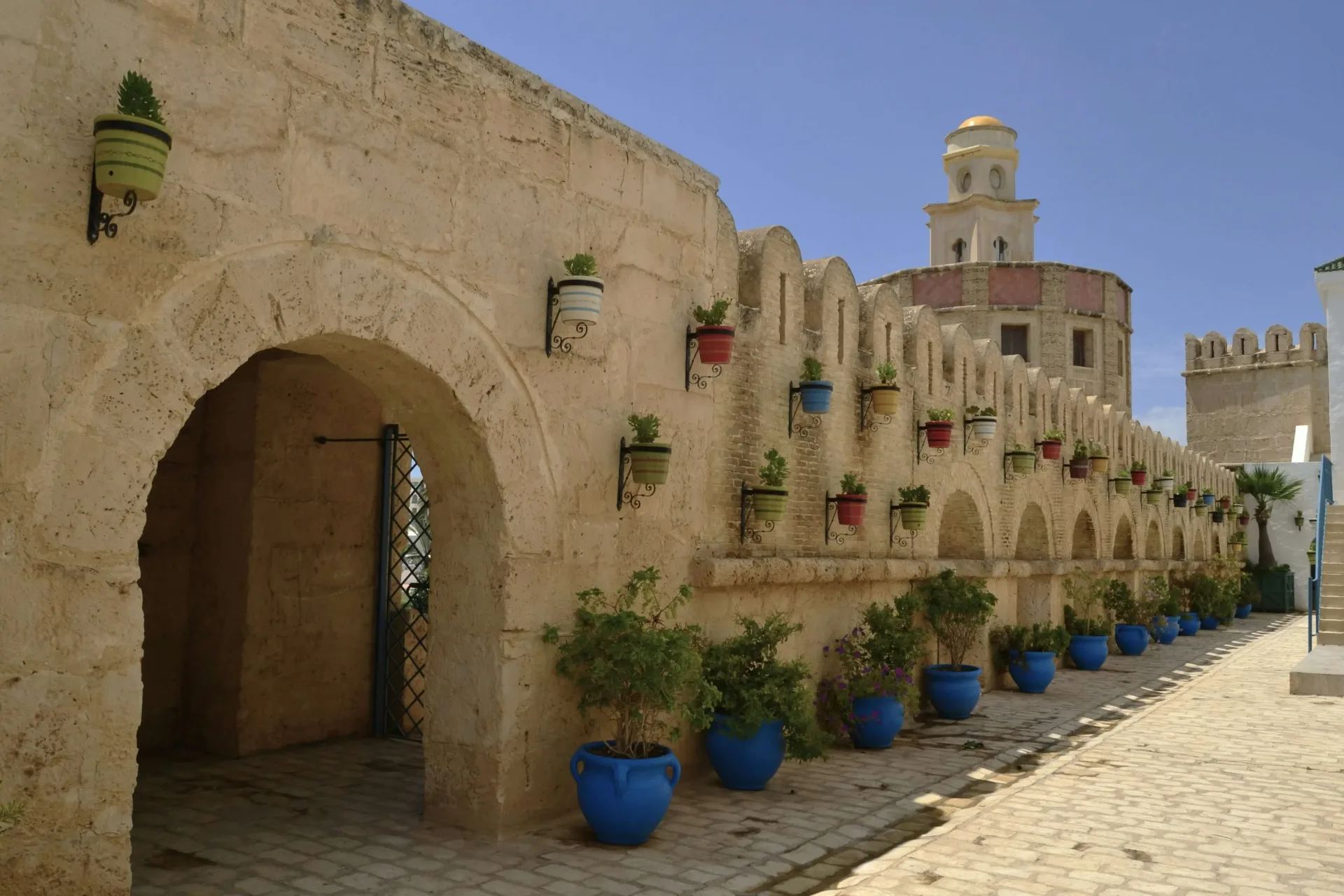
Mediterranean Beach Escape: Hammamet & Sousse
Mediterranean Beach Escape: Hammamet & Sousse
Tunisia
 Beach
Customizable
Beach
Customizable
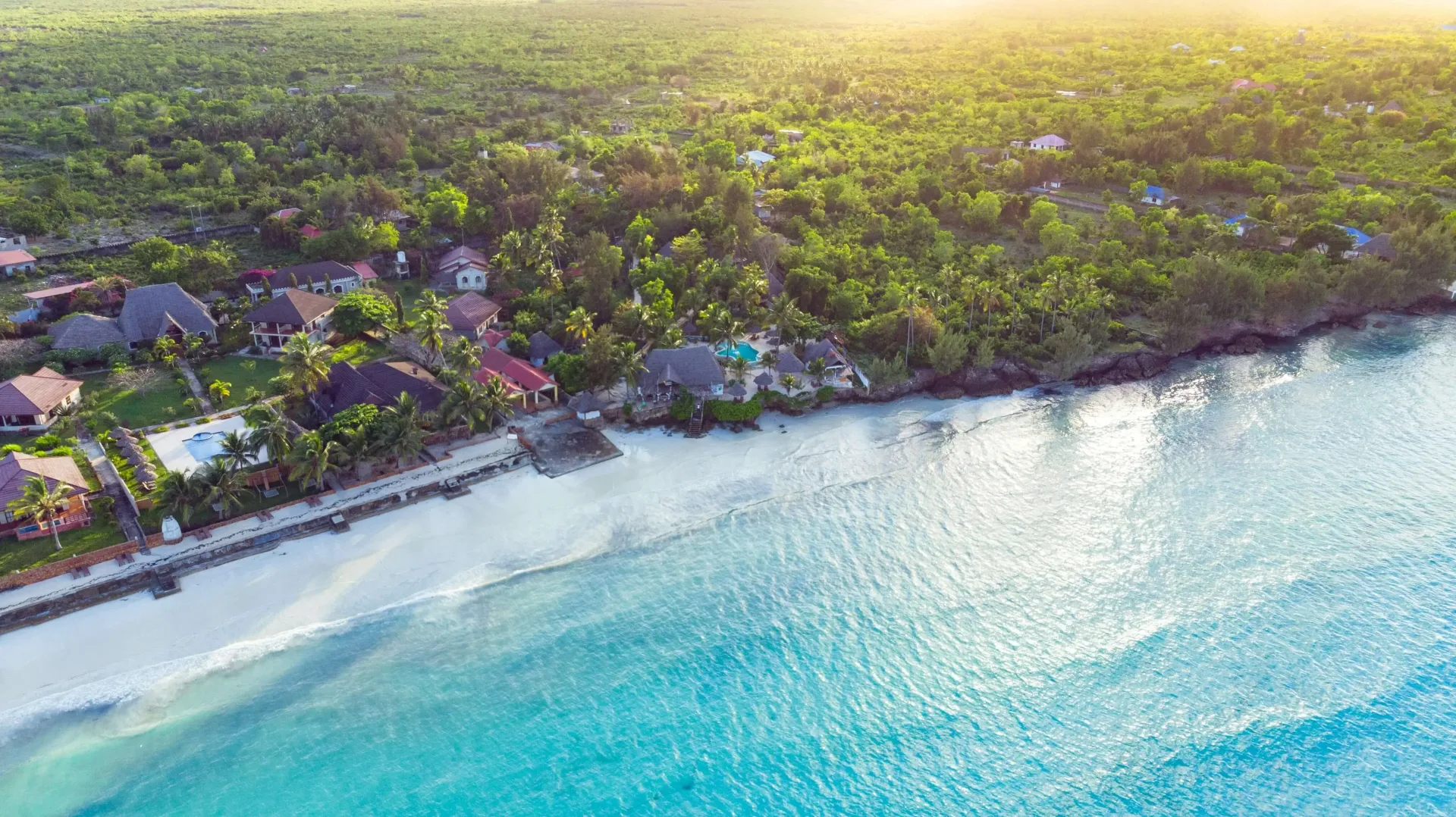
Tanzania Safari & Zanzibar Beach: Plains to White Sands
Tanzania Safari & Zanzibar Beach: Plains to White Sands
Tanzania
 Beach
Customizable
Beach
Customizable
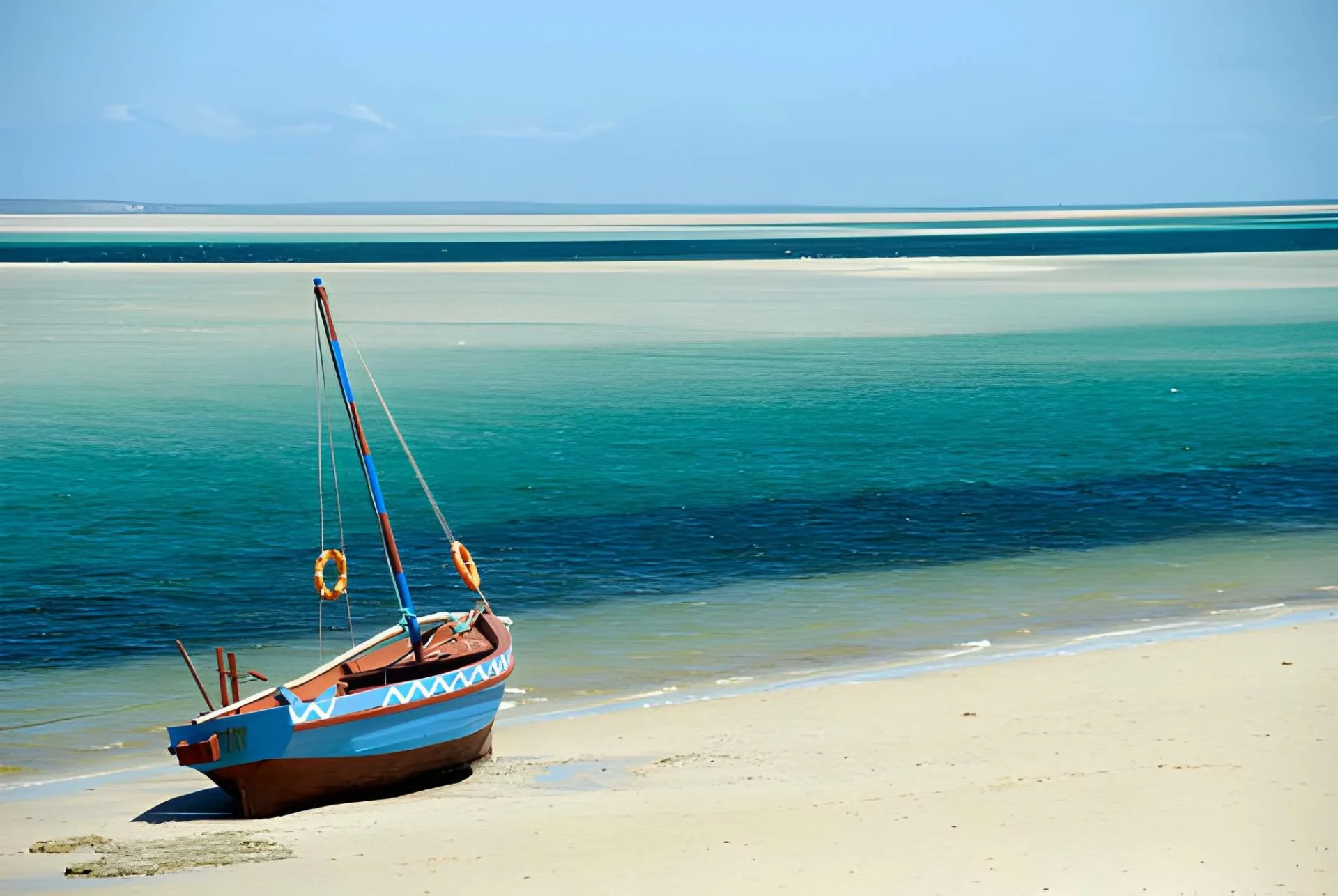
Bazaruto Island Escape: Dunes, Dhows & Turquoise Sea
Bazaruto Island Escape: Dunes, Dhows & Turquoise Sea
Mozambique