
7 Days • 6 Nights
Croatia Culture & History: Zagreb, Split & Dubrovnik
Tour Includes
About the Trip
Trip Highlights
- Elegant, historic Zagreb, with its Upper Town, cathedrals and museums, is a rich cultural highlight of this journey. Zagreb, Croatia's capital, is a graceful Central European city whose history stretches from medieval hilltop settlements to the grand Habsburg era, and it wears its layers beautifully. You explore the historic Upper Town (Gornji Grad), the medieval heart, with its cobbled lanes, the colourful tiled roof of St Mark's Church, the twin-spired neo-Gothic cathedral, the atmospheric Stone Gate shrine and the medieval Lotrscak Tower. You take in the grand squares, boulevards and Habsburg architecture of the Lower Town, and Zagreb's excellent museums.
- Diocletian's Palace in Split, a living Roman monument, is a fascinating historical highlight of this journey. Split is built around one of the most remarkable Roman ruins in the world, the vast seafront palace built for the Emperor Diocletian around 300 AD, now a UNESCO World Heritage Site where 1,700 years of life still hums within the ancient walls. With your expert guide you wander its atmospheric maze of lanes, squares and cellars, standing in the colonnaded Peristyle courtyard, gazing up at the emperor's octagonal mausoleum (now the cathedral) and its soaring bell tower, exploring the vaulted underground halls.
- The Roman ruins of Salona and the walled town of Trogir add depth to this historical journey. Just outside Split lie two more remarkable layers of history. At Salona, the ancient Roman capital of the province of Dalmatia and birthplace of Diocletian, you wander the evocative ruins of a great classical city, its amphitheatre, basilicas, walls and necropolis scattered amid olive groves and cypresses, once home to sixty thousand people. Nearby, Trogir is a jewel-like walled town on its own islet, a UNESCO World Heritage Site whose Romanesque and Venetian core is crowned by the cathedral of St Lawrence, with its magnificent carved Radovan portal.
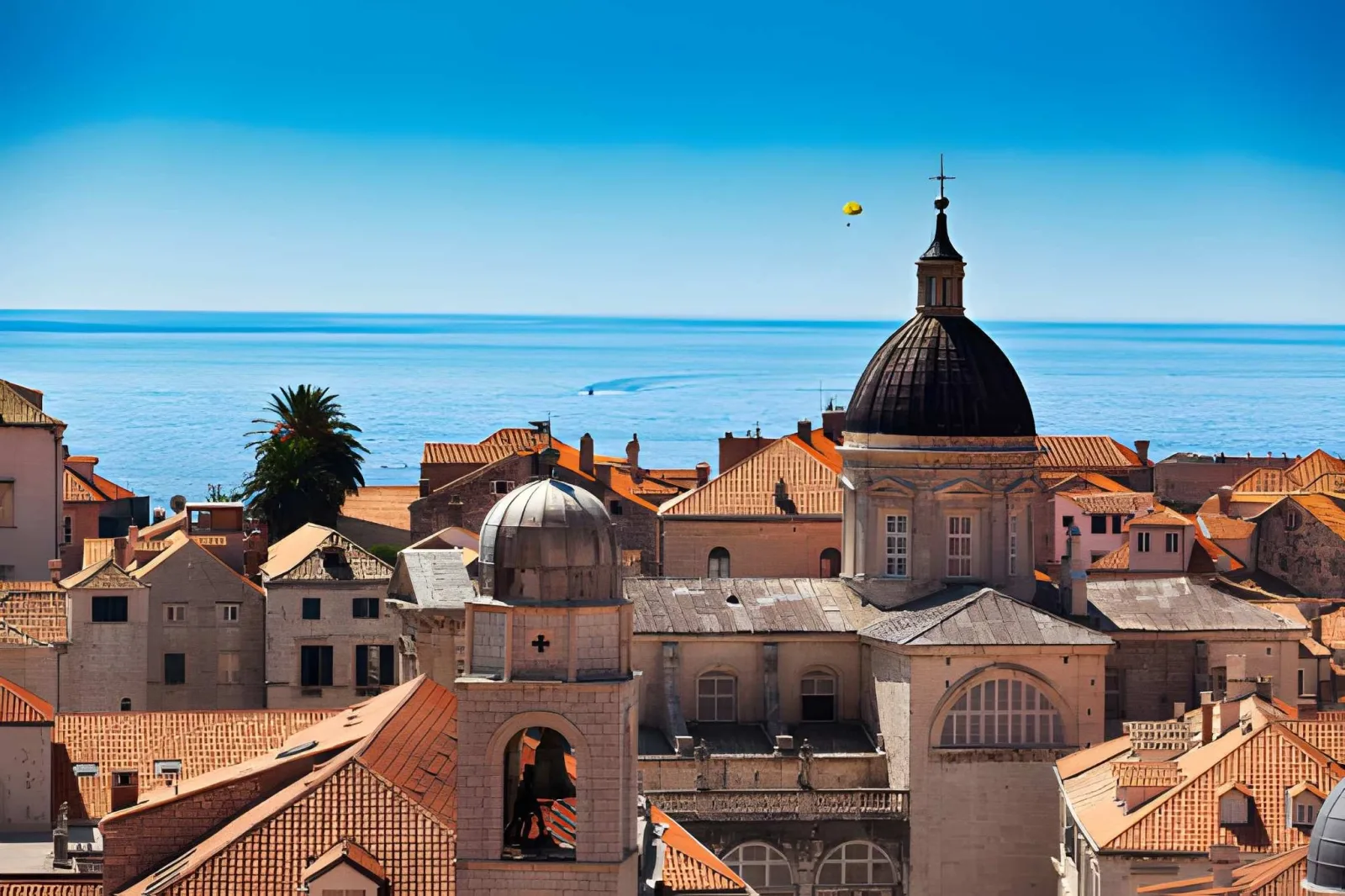
- The medieval walled republic of Dubrovnik is a magnificent historical highlight of this journey. Dubrovnik, the 'Pearl of the Adriatic', was for centuries a wealthy, independent maritime republic, a rival to Venice, whose diplomacy, trade and freedom (its motto was Libertas) built one of the most beautiful walled cities in the world. With your guide you walk the complete circuit of the mighty medieval walls, some two kilometres of ramparts and towers above the terracotta roofs and the sea, and explore the marble-paved Stradun, the Rector's Palace, the Franciscan monastery with its ancient working pharmacy (one of the oldest in Europe).
- Croatia's rich food, wine and living culture bring the history vividly to life on this journey. History in Croatia is not confined to monuments; it lives on in the food, wine, crafts and customs of every region. Along this journey you savour the distinct culinary cultures of the country, hearty continental cooking and fine wines around Zagreb, and the Mediterranean flavours of Dalmatia, fresh seafood, black risotto, peka slow-cooked under a bell, prosciutto, olive oil and superb coastal wines such as Plavac Mali and Posip. You encounter living traditions, from Zagreb's cafe culture to Dalmatian klapa singing and the crafts of the old towns.
- Above all, this journey traces two thousand years of history through Croatia's three great cities. Croatia stands at a crossroads of Europe, and this journey traces its layered story through its three great cities. Over seven days you explore the medieval Upper Town and Habsburg elegance of Zagreb, the living Roman palace of Split with the ruins of Salona and walled Trogir, and the magnificent medieval walled republic of Dubrovnik, guided by expert historians and enriched by fine regional food and wine. The combination of Roman palaces and ruins, medieval walled towns, Venetian and Habsburg heritage, proud maritime republics and living traditions makes Croatia's cultural story utterly captivating.
Day by Day
A detailed day-by-day plan for this 7-day journey.
Your journey through the history of Croatia begins as your flight arrives in Zagreb, the country's elegant and cultured capital, where you are met and transferred to your hotel. Zagreb is a graceful Central European city of red-roofed streets, grand Habsburg boulevards, leafy parks and a famously convivial cafe scene, a perfect place to begin understanding Croatia. Spend the rest of the day settling in and relaxing after your journey, perhaps taking a first stroll along the grand Ban Jelacic Square and the elegant Lower Town, or joining locals for coffee at a pavement cafe, a cherished Zagreb ritual. This evening, a welcome dinner introduces you to hearty continental Croatian cuisine and fine local wine, and to the fascinating historical journey ahead through Zagreb, Split and Dubrovnik. As you settle in, the layered history and easy elegance of Croatia begin to reveal themselves. Rest well, ready to explore the medieval Upper Town tomorrow.
Today you explore elegant, historic Zagreb with your expert guide. You discover the historic Upper Town (Gornji Grad), the medieval heart of the city, with its cobbled lanes, the colourful tiled roof of St Mark's Church, the atmospheric Stone Gate shrine and the medieval Lotrscak Tower, riding the world's shortest funicular between the upper and lower towns. You visit the twin-spired neo-Gothic cathedral and take in the grand squares, boulevards and Habsburg architecture of the Lower Town. You explore one or two of Zagreb's excellent museums, perhaps the archaeological or city history collections that trace Croatia's long story, or the moving Museum of Broken Relationships, and pause for coffee in the celebrated cafe culture. As the day ends, the city glows in the evening light. This evening, dine on hearty Croatian specialities in a traditional restaurant. Rest well, for tomorrow you fly south to the Roman heart of Dalmatia at Split.
Today you journey south to Split and step back 1,700 years into the Roman world. You take a short domestic flight (or a scenic transfer) from Zagreb to Split, the vibrant heart of Dalmatia, and this afternoon, with your expert guide, you explore its extraordinary centrepiece: Diocletian's Palace, the vast seafront palace built for the Roman emperor around 300 AD and now a living UNESCO World Heritage Site. You stand in the colonnaded Peristyle courtyard, gaze up at the emperor's octagonal mausoleum (now the cathedral) and its soaring bell tower, explore the vaulted underground halls, spot the ancient Egyptian sphinx, and follow the buzz of life woven among the Roman stone, then stroll the palm-lined Riva waterfront. As the day ends, Split glows in the evening light. This evening, dine on Dalmatian seafood and coastal wine in an atmospheric konoba. Rest well, ready to explore more Roman and medieval history tomorrow.
Today you explore two more remarkable layers of history near Split with your guide. In the morning you visit Salona, the ancient Roman capital of the province of Dalmatia and the birthplace of Diocletian, wandering the evocative ruins of a great classical city, its amphitheatre, basilicas, walls and necropolis scattered amid olive groves and cypresses, once home to sixty thousand people. In the afternoon you visit Trogir, a jewel-like walled town on its own islet, a UNESCO World Heritage Site whose Romanesque and Venetian core is crowned by the cathedral of St Lawrence, with its magnificent carved Radovan portal, and guarded by the Kamerlengo fortress. Together they span a thousand years of history. As the day ends, you return to Split. This evening, savour a traditional Dalmatian dinner of peka or fresh fish and local wine. Rest well, for tomorrow you journey down the coast to the walled republic of Dubrovnik.
Today you journey down the beautiful Dalmatian coast to Dubrovnik, the 'Pearl of the Adriatic'. You leave Split and follow the scenic coastline southwards, the Dinaric mountains rising on one side and the turquoise Adriatic and its islands on the other, pausing at Ston on the Peljesac peninsula, famous for its great defensive walls, among the longest in Europe, its ancient salt pans and its celebrated oysters, perhaps tasting them fresh from the bay. You continue along the scenic coast to Dubrovnik, arriving in the afternoon. You settle into your hotel and take a first stroll along the marble-paved Stradun as the honey-coloured stone glows in the evening light, orienting yourself in this once-independent maritime republic. As the day ends, the walled city sparkles. This evening, dine in the atmospheric old town. Rest well, ready to walk the mighty walls and trace the story of the Dubrovnik Republic tomorrow.
Today you explore the magnificent walled republic of Dubrovnik with your expert guide. Once a wealthy, independent maritime republic, a rival to Venice whose motto was Libertas (freedom), Dubrovnik built one of the most beautiful walled cities in the world. You walk the complete circuit of the mighty medieval city walls, some two kilometres of ramparts and towers with breathtaking views over the terracotta rooftops and the sea, and explore the marble-paved Stradun, the Rector's Palace, the Sponza Palace, the cathedral, and the Franciscan monastery with its ancient working pharmacy, one of the oldest in Europe, tracing the story of this remarkable little republic, its diplomacy, trade and freedom. Fans of Game of Thrones recognise the city as King's Landing. As the day ends, the old town glows. This evening, enjoy a farewell dinner celebrating your journey through Croatia's history. Rest well ahead of your departure.
After a final morning in historic Dubrovnik, perhaps a last stroll along the Stradun, a coffee by the old harbour, or a visit to a museum or gallery you missed, you are transferred to Dubrovnik Airport for your onward departure. You leave having traced two thousand years of Croatian history through its three great cities, the medieval Upper Town and Habsburg elegance of Zagreb, the living Roman palace of Split with the ruins of Salona and walled Trogir, and the magnificent medieval walled republic of Dubrovnik, all enriched by fine regional food and wine and brought to life by expert guides. The images stay vivid long after you land, the tiled roof of St Mark's Church, the colonnades of Diocletian's Palace, the Roman ruins of Salona, and the mighty walls of Dubrovnik. Croatia offers layered history, rich culture and beauty in abundance, and you depart already dreaming of a return to explore more of its islands, coast and heritage.
Where You Will Travel
What's inside the package?
Inclusions
- 6 nights accommodation
- Daily breakfast, a welcome dinner and a traditional Dalmatian dinner
- Airport and land transfers in comfortable air-conditioned vehicles
- Touring and sightseeing as per itinerary with expert local guides
- Entrance fees to sites, national parks and attractions as per itinerary
- private touring with expert local historian guides, a Zagreb Upper Town and museums tour, a Split and Diocletian's Palace tour, a Salona Roman ruins and Trogir excursion, a Dubrovnik old town and city walls tour, a domestic flight or scenic transfer, and all entrance fees
Exclusions
- International airfare
- Visa or tourist card fees where applicable
- Travel insurance (strongly recommended)
- Some lunches and dinners not specified
- Optional museum entries, tastings and tips for guides and drivers
- Meals not mentioned in the itinerary or inclusions
- Drinks unless specifically stated
- Optional excursions and experiences
- Personal expenses and gratuities
- Anything not specifically mentioned under Package Inclusions
Know when to go.
- Visa & entry: Croatia is a member of the European Union and the Schengen Area, so many nationalities (including UK, US, Canadian, Australian and EU citizens) may enter visa-free for short tourist stays, typically up to 90 days in any 180-day period; a passport valid for the duration of your stay is required. Requirements can change, so we confirm the exact process for your nationality before you travel
- Currency: Croatia uses the euro (EUR), having adopted it in 2023; cards are very widely accepted in hotels, restaurants and shops across the coast and cities, but carry some cash for small konoba taverns, markets, island ferries, parking and tips. ATMs are plentiful in towns, cities and on the larger islands
- Best time to visit: May, June, September and early October are ideal, with warm, sunny days perfect for the old towns, islands, beaches and national parks, and fewer crowds than midsummer; July and August are hot, sunny and lively but busy and pricier. Spring and autumn are beautiful for Plitvice, Krka and Istria, while winter is quiet and cool on the coast
- Language & etiquette: Croatian is the official language, and English is very widely spoken in tourism, making travel easy and relaxed. Croatians are warm, proud and hospitable; a relaxed 'pomalo' (take it easy) attitude prevails on the coast. Modest dress is appreciated when visiting churches and cathedrals (cover shoulders and knees), and beach attire is for the beach, not the old towns
- Getting around: Distances along the beautiful Dalmatian coast are longer than they look, and touring is by comfortable private vehicle with your guide, with some scenic coastal and mountain drives; the islands are reached by ferry and catamaran, or by private boat. We handle all transfers, ferries and timings, so your journey flows smoothly from old town to island to national park
- Health & safety: Croatia is one of the safest and most welcoming countries in Europe, with very low crime and excellent, well-signposted tourist infrastructure; travel here is smooth and rewarding. Tap water is safe to drink. On beaches and in the sea, water shoes are useful for pebbly shores and rocks, and the Adriatic is clean, clear and calm, ideal for swimming and snorkelling
- Culture: Croatia is a proud, historic Mediterranean nation with a rich blend of Roman, Venetian, Slavic and Central European heritage, reflected in its walled old towns, Roman palaces and ruins, Venetian bell towers and Habsburg architecture. Seafood, olive oil, wine, prosciutto (prsut) and truffles are central to its cuisine, and long, convivial meals and good local wine are among its great pleasures
- Power & practicalities: Power is 230V with European type C and F two-pin plugs, so bring an adapter. Croatia keeps to Central European Time. Tipping is appreciated but modest (rounding up or roughly 10% for good service). Sun protection, comfortable walking shoes for cobbled old towns and national park trails, and a light layer for cool evenings and boat trips are all worth packing
Frequently Asked Questions
How knowledgeable are the guides on this journey?
Very. This is a culture and history journey led by expert local guides, often trained historians or art historians, who bring Croatia's layered story vividly to life, from Roman Salona and Diocletian's Palace to the medieval Dubrovnik Republic and Habsburg Zagreb. They offer real depth and context, not just facts, and tailor the focus to your interests, whether Roman antiquity, medieval history, art and architecture, or the maritime republics. Private touring means you can go as deep as you wish, ask questions freely, and set the pace, making the history genuinely come alive.
Is there time to enjoy the coast and relax too?
Yes. While the focus is culture and history, this journey follows one of the most beautiful coastlines in Europe, with time to stroll the seafront Rivas, enjoy long lunches and dinners of superb regional food and wine, and soak up the atmosphere of the old towns at golden hour. We can easily add a swim, a boat trip, an island visit or extra relaxed time on the coast, balancing the rich history with the beauty and pleasures of the Adriatic, and tailoring the mix entirely to you.
What meals are included?
Daily breakfast is included, along with any meals named in the itinerary (typically a welcome dinner and some dinners at special konoba taverns, island stays or wine estates). Croatian cuisine is delicious and Mediterranean, from fresh Adriatic seafood, black risotto and grilled fish to Dalmatian peka (meat and vegetables slow-cooked under a bell), Istrian truffles, prosciutto and superb local wines and olive oils. We usually leave other meals free so you can explore, and we recommend the best konobas and restaurants at every stage.
Are the tours private or in a group?
Your journey is private by default, with your own expert local guide and comfortable air-conditioned vehicle, giving you flexibility, depth and a pace tailored to you; small-group and boat-based options can be arranged if you prefer. Croatia's knowledgeable guides bring the walled old towns, Roman palaces, islands, national parks and rich history vividly to life, greatly enriching every visit, and we handle the ferries, boats and transfers so your journey flows effortlessly.
Do I need a visa for Croatia?
Croatia is in the EU and Schengen Area, so many nationalities, including UK, US, Canadian, Australian and EU citizens, may enter visa-free for short tourist stays, typically up to 90 days in any 180-day period. A passport valid for the duration of your stay is required. We confirm the exact, current requirements for your nationality before you travel, so entry is smooth and straightforward.
Is Croatia safe to visit?
Croatia is one of the safest, friendliest and most welcoming countries in Europe, with very low crime, excellent tourist infrastructure and a warm, relaxed atmosphere, and travel here is exceptionally smooth and rewarding. We continuously monitor conditions, use trusted local guides, drivers and skippers, and follow official guidance at all times. The Adriatic is clean and calm, the old towns are safe and easy to explore, and the genuine welcome is among the great joys of a visit.
When is the best time to visit?
May, June, September and early October are ideal, with warm, sunny days perfect for the old towns, islands, beaches and national parks, and fewer crowds than the July and August peak. Spring and autumn are also beautiful for Plitvice, Krka and Istria, with lush landscapes and comfortable walking. Midsummer is hot, sunny and lively but busy. We advise on the best timing for your interests, whether beaches, sailing, culture or nature.
Can the itinerary be customised?
Absolutely. We can adjust the balance of Dubrovnik, Split, the Dalmatian islands, the national parks, Zagreb and Istria, add sailing or a private yacht day, include more beach and island time, add wine and truffle experiences, and tailor the pace, comfort and focus entirely to you. Every itinerary is a flexible starting point for your ideal journey through the beautiful coast, islands and countryside of Croatia.
More City Tour Journeys
 City Tour
Customizable
City Tour
Customizable
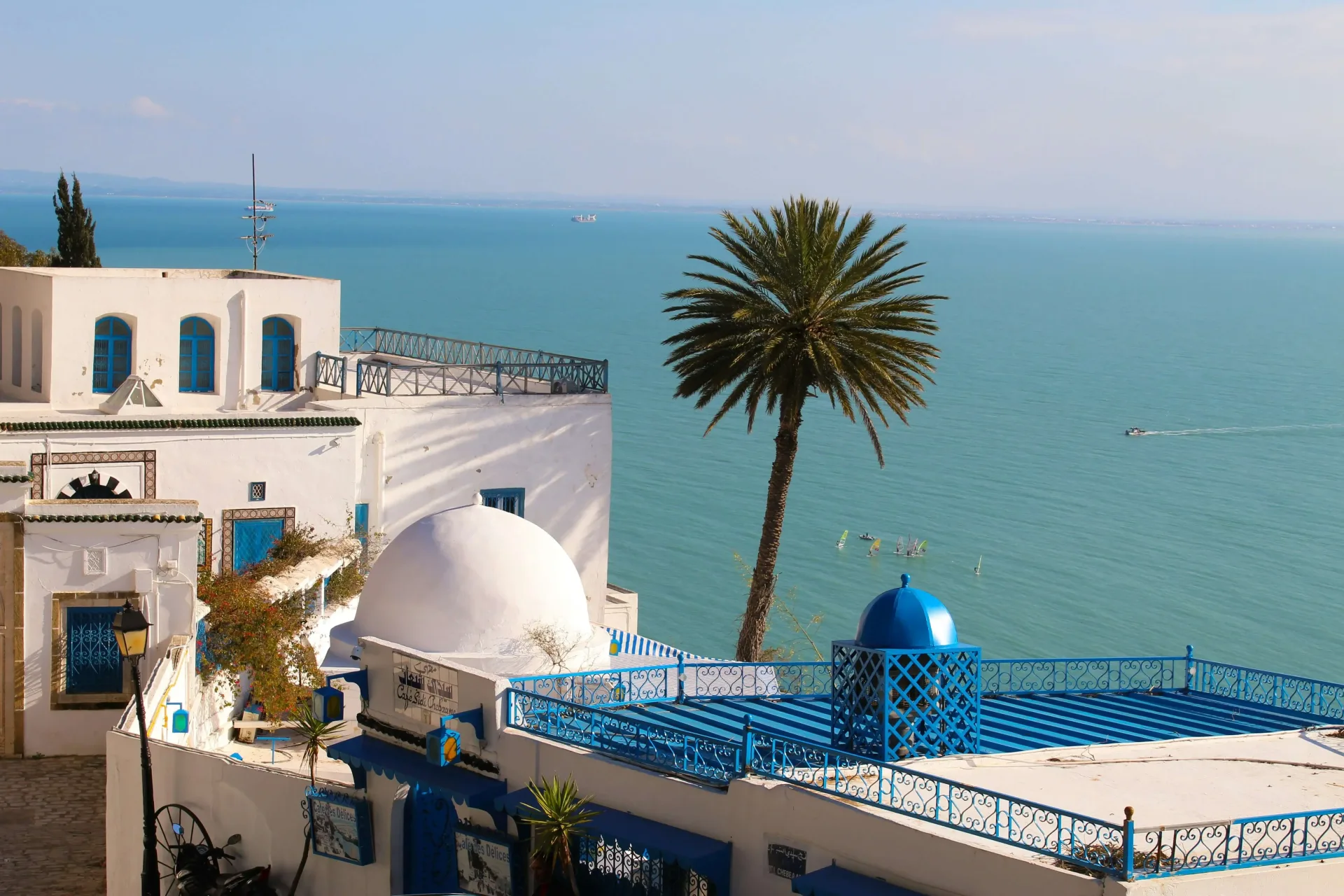
Tunis, Sidi Bou Said & the North
Tunis, Sidi Bou Said & the North
Tunisia
 City Tour
Customizable
City Tour
Customizable
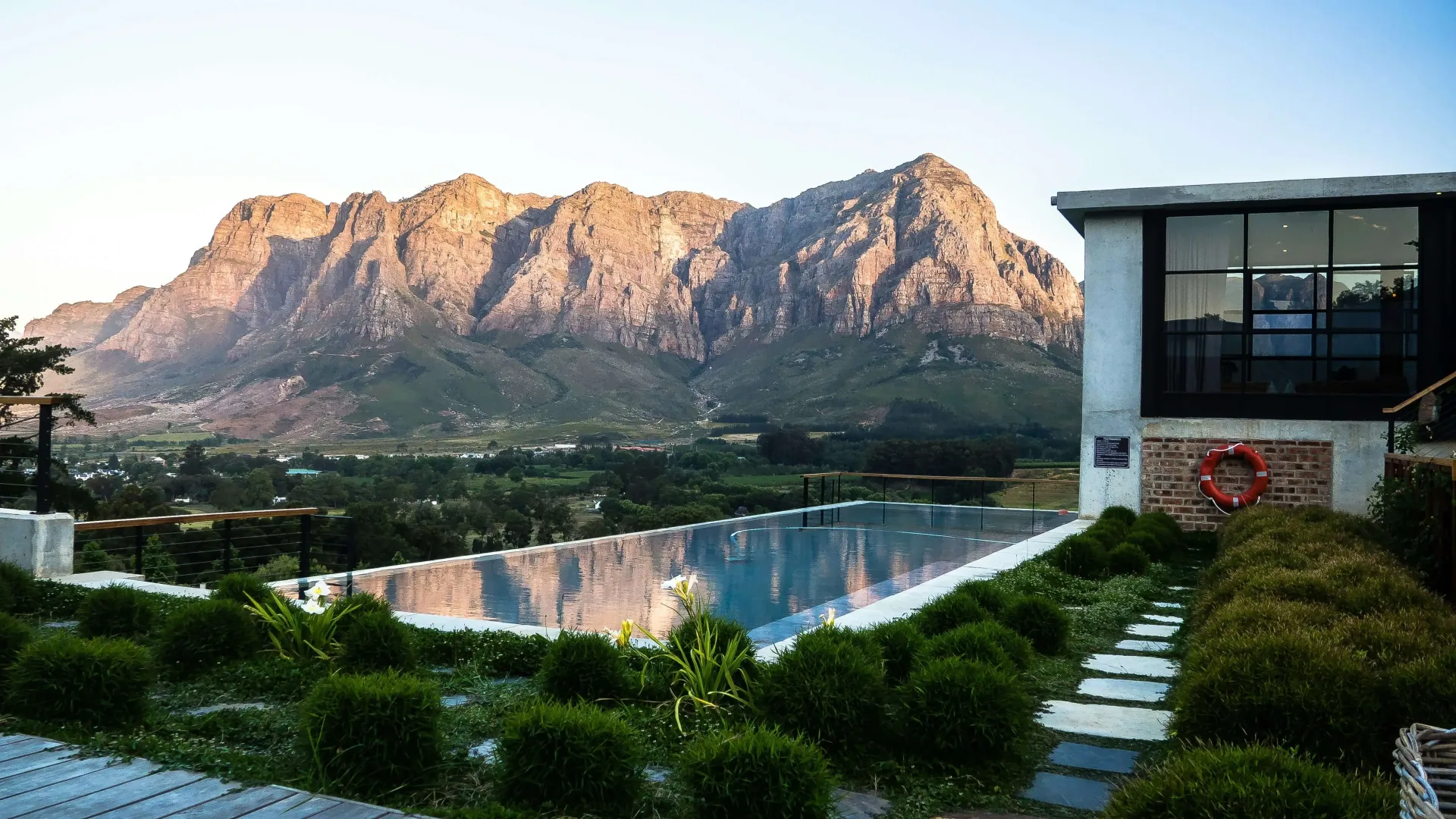
Highlights of South Africa: Cape Town, the Winelands & a Kruger Safari
Highlights of South Africa: Cape Town, the Winelands & a Kruger Safari
South Africa
 City Tour
Customizable
City Tour
Customizable
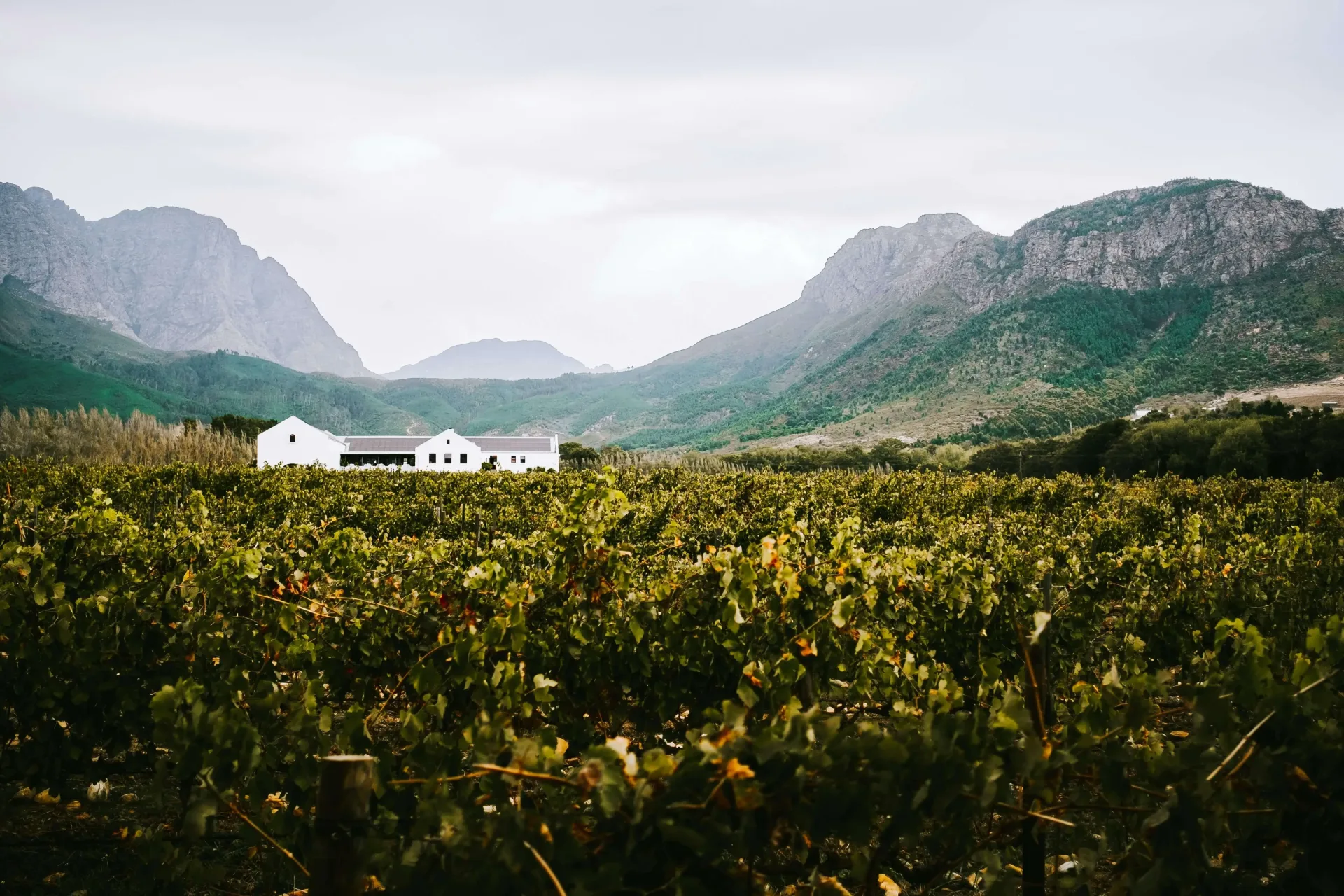
Cape Town & the Cape Winelands
Cape Town & the Cape Winelands
South Africa