8 Days • 7 Nights
Chitwan & Bardia Wildlife Safari
Tour Includes
About the Trip
You'll take jeep and canoe safaris in Chitwan for its famous rhinos, then journey to remote Bardia, one of the best places in Nepal to track wild tigers, on foot and by jeep along the Karnali river. Tharu villages, birdlife and the thrill of the jungle fill the days, bookended by Kathmandu's temples.
With comfortable jungle lodges, expert naturalists and the transport arranged, it is Nepal's wild side at its most rewarding.
Trip Highlights
- Jeep and canoe safaris in Chitwan National Park
- One-horned rhinos, deer and gharial crocodiles
- Remote Bardia National Park in the far west
- Tracking wild Bengal tigers in Bardia
- The Karnali river and its dolphins
- Tharu culture and jungle villages
- Superb birdwatching
- Two contrasting jungle experiences
Day by Day
A detailed day-by-day plan for this 8-day journey.
Arrive in the capital and settle in, with a welcome dinner before heading to the jungle.
Fly and transfer to Chitwan National Park, settling into a jungle lodge with a first nature walk and a Tharu cultural show.
A full day of safari — a jeep safari and a dugout canoe trip on the river for rhinos, deer, crocodiles and birds, with an elephant-breeding centre.
More time in the jungle — a guided walk, birdwatching and a village visit, deepening your feel for the Terai's wildlife.
Travel west to the remote Bardia National Park, Nepal's largest and wildest lowland reserve, settling into a jungle lodge by the Karnali river.
A full day tracking the elusive Bengal tiger on foot and by jeep through Bardia's grasslands and forest, watching for rhinos, elephants and deer.
A river trip on the Karnali in search of the rare Gangetic dolphin and gharial crocodiles, with more jungle safari and a Tharu village.
Fly back to Kathmandu for your onward connection, with a final Nepali breakfast.
Where You Will Travel
What's inside the package?
Inclusions
- Private airport transfers and private guides
- 1N Kathmandu, 3N Chitwan jungle lodge, 3N Bardia jungle lodge
- Daily breakfast, a welcome dinner and full board at both jungle lodges
- A Kathmandu orientation
- Chitwan jeep and canoe safaris and a Tharu cultural show
- Bardia jeep and walking safaris and a Karnali river trip
- Expert naturalist guides and all park fees
- Domestic flights and transfers as arranged
Exclusions
- International airfare to and from Nepal
- Nepal visa fees (visa on arrival or online)
- Travel insurance (mandatory, with high-altitude and helicopter evacuation cover for treks)
- Additional domestic flights beyond those stated
- Meals not mentioned in the itinerary or inclusions
- Drinks unless specifically stated
- Optional activities and personal trekking gear
- Personal expenses, tips and gratuities for guides and porters
- Anything not specifically mentioned under Package Inclusions
Know when to go.
- Visa: Most nationalities can get a visa on arrival at Kathmandu airport or online in advance; bring a passport photo and US dollars in cash for the fee. Your passport should be valid at least six months
- Currency: The currency is the Nepali Rupee. Cards work in Kathmandu and Pokhara, but carry cash for trekking, villages and small purchases — ATMs are only in the cities
- Best season: October to November and March to April are the prime seasons, with clear skies and the best mountain views. The monsoon (June to September) brings cloud and rain; winter is cold at altitude but clear in the lowlands
- Altitude: High treks reach serious altitude (Everest Base Camp over 5,300m), where altitude sickness is a real risk. We build in acclimatisation days, ascend slowly, and your guide watches for symptoms
- Trek insurance: For any trek, travel insurance that specifically covers high-altitude trekking and helicopter evacuation is mandatory — this is essential and non-negotiable
- Trekking life: On trek you stay in simple teahouse lodges with basic rooms and shared bathrooms; hot showers and charging often cost extra. A good level of fitness and broken-in boots make all the difference
- Mountain flights: Domestic flights (including the famous Lukla flight for Everest) are weather-dependent and delays are common, so we build in buffer time; a helicopter option can be arranged
- Temple etiquette: Remove shoes and leather items at Hindu temples, walk clockwise around Buddhist stupas, and note that some temple interiors are open only to Hindus
- Health: Drink only bottled or purified water, carry any personal medication, and consult a travel clinic about altitude medication and vaccinations. Comprehensive insurance is essential
- Power & connectivity: Power cuts are less common than before but carry a power bank; a local SIM gives data in towns and along popular trails. Nepal uses type C/D/M plugs at 230V
Frequently Asked Questions
What meals are included?
Daily breakfast is included throughout, with full board (breakfast, lunch and dinner) on trek and at the Chitwan jungle lodge, plus a welcome dinner in Kathmandu. Elsewhere, lunches and dinners are left free to explore Nepal's food.
Are guides and transfers arranged?
Yes — you have private guides and drivers for sightseeing, and an experienced trekking guide (and porters) on any trek, all arranged for you.
Do I need a visa for Nepal?
Most visitors can get a visa on arrival at Kathmandu airport or apply online beforehand. Bring a passport photo and US dollars in cash for the fee; we guide you through it.
When is the best time to visit?
October-November and March-April are the prime seasons, with clear skies and superb mountain views. The monsoon (June-September) is cloudy and wet; winter is cold high up but clear in the lowlands.
Do I need to be fit for the treks?
The trekking itineraries require a good level of fitness and preparation, with several hours of walking a day on hilly terrain. We grade each trek clearly and build in acclimatisation; the cultural tours need no special fitness.
Can the itinerary be customised?
Absolutely. Durations, treks, hotels and experiences can all be tailored, and we can add a scenic Everest flight, a jungle safari, a luxury lodge or a shorter or longer trek. Just tell us what you have in mind.
Is insurance really mandatory for trekking?
Yes — for any trek you must have travel insurance that covers high-altitude trekking and helicopter evacuation. This is essential for your safety and is non-negotiable.
Which park is better for tigers?
Remote Bardia in the far west is now considered one of the best places in Nepal to see wild Bengal tigers, with fewer visitors than Chitwan. Chitwan is famous for its easily seen one-horned rhinos. Together they offer the best of both.
Is walking safari safe?
Yes — walking safaris in Bardia are led by armed, highly experienced naturalists who follow strict safety protocols. They offer a thrilling, immersive way to experience the jungle on foot.
More Adventure Journeys
 Adventure
Customizable
Adventure
Customizable
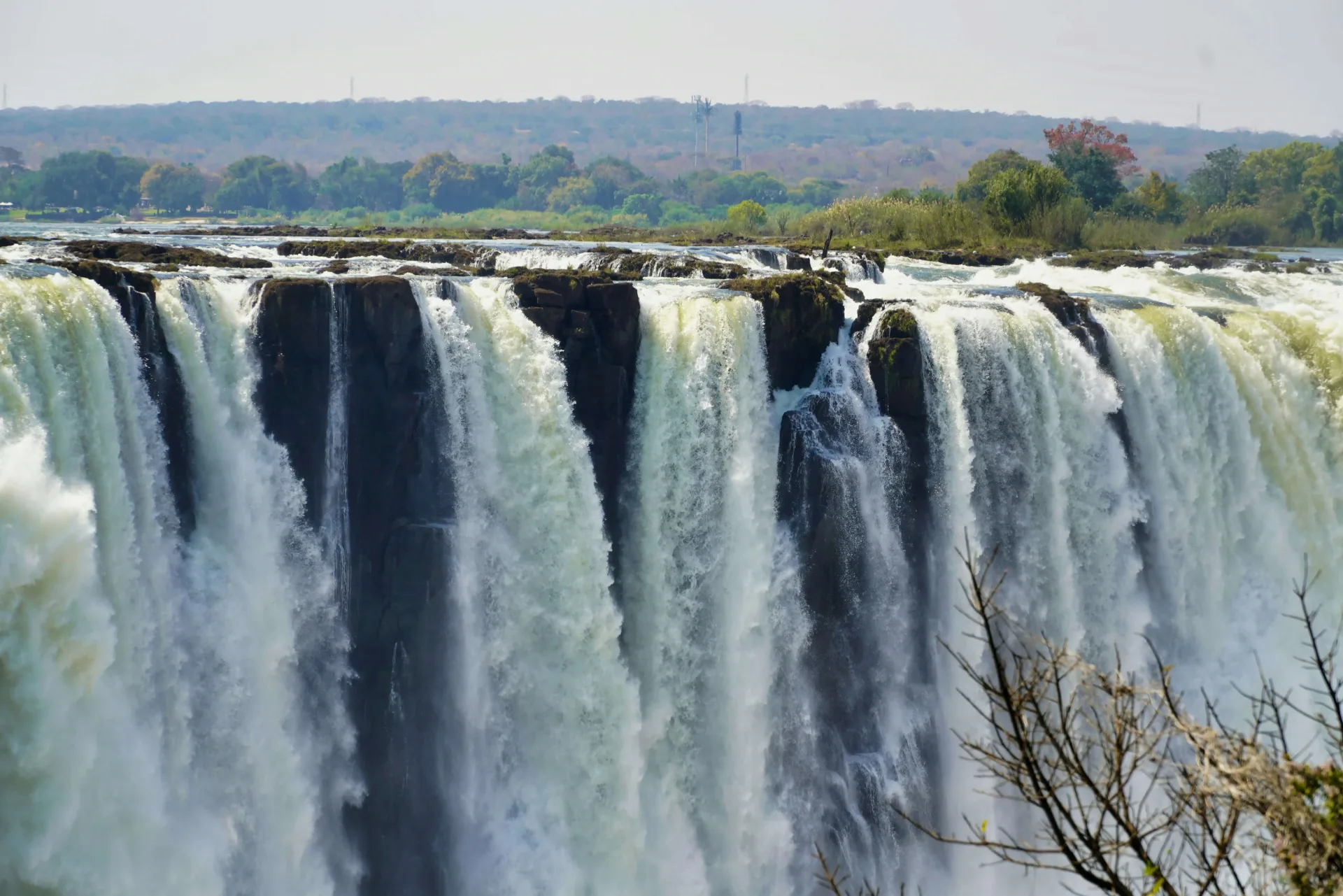
Highlights of Zimbabwe: Victoria Falls & Hwange
Highlights of Zimbabwe: Victoria Falls & Hwange
Zimbabwe
 Adventure
Customizable
Adventure
Customizable
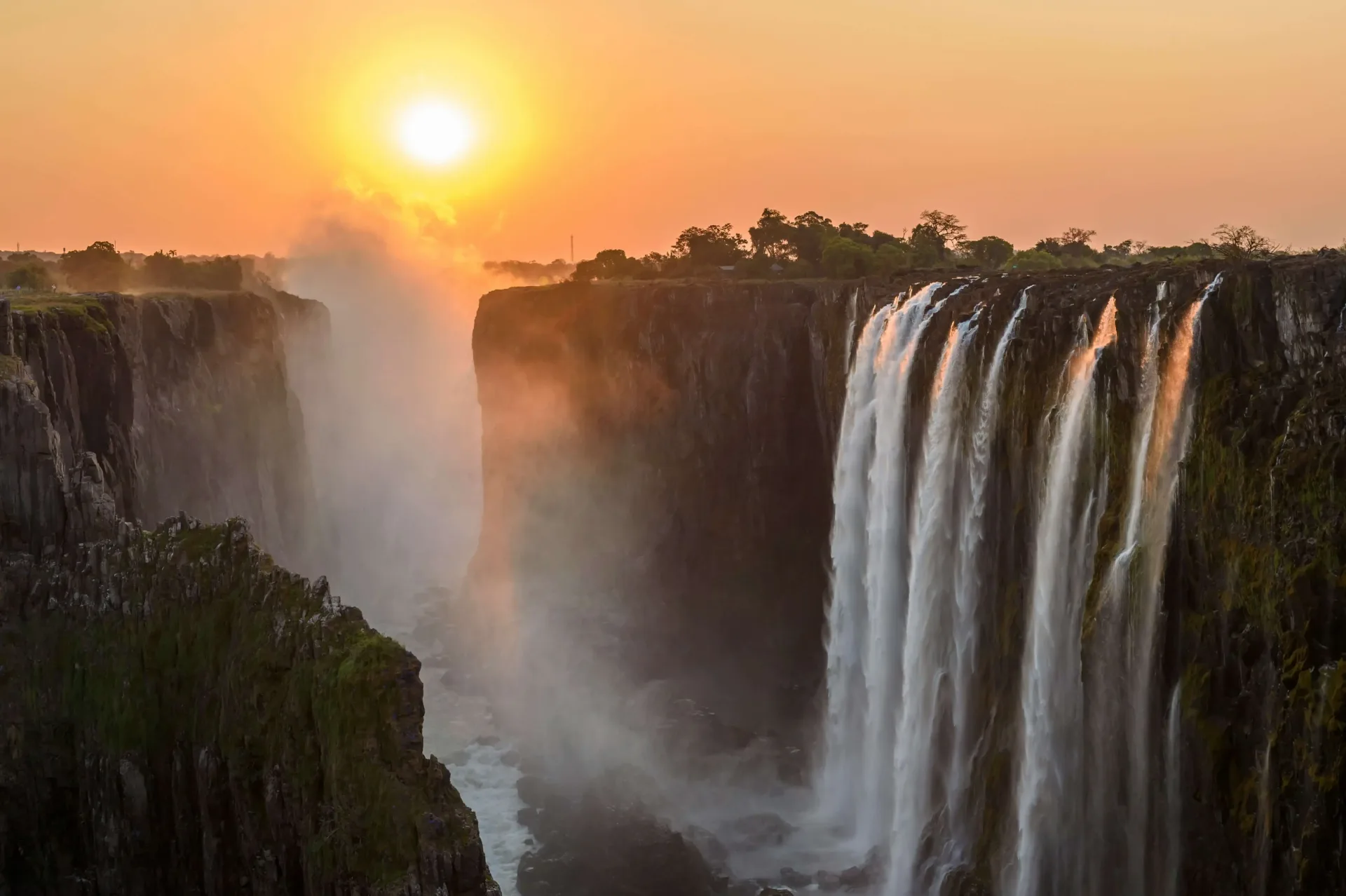
Victoria Falls Adventure: The Smoke that Thunders
Victoria Falls Adventure: The Smoke that Thunders
Zimbabwe
 Adventure
Customizable
Adventure
Customizable
Hwange & Mana Pools: A Great Zimbabwe Safari
Hwange & Mana Pools: A Great Zimbabwe Safari
Zimbabwe