11 Days • 10 Nights
Chile & Easter Island: Atacama & the Moai
Tour Includes
About the Trip
Trip Highlights
- Vibrant Santiago and its wine country
- The surreal Atacama Desert and stargazing
- The mysterious moai of Easter Island
- Volcanic craters and ceremonial sites
- The quarry where the moai were carved
- Polynesian culture and history
Day by Day
A detailed day-by-day plan for this 11-day journey.
Met at the airport and transferred to your hotel in the capital, with a welcome dinner of Chilean cuisine and wine.
A guided tour of Santiago and an afternoon in a nearby wine valley for tastings and a vineyard lunch.
You fly north to San Pedro de Atacama. Take it easy to acclimatise, with an afternoon in the Valley of the Moon for a spectacular sunset.
An early excursion to the El Tatio geysers and the high-altitude lagoons and salt flats full of flamingos, with evening stargazing.
A day exploring the Atacama salt flat, the Rainbow Valley and dramatic desert landscapes, with a final Atacama sunset.
You fly back to Santiago and continue far out into the Pacific to Rapa Nui (Easter Island), one of the most remote inhabited places on earth. Settle in and take a first look at the enigmatic moai at sunset.
A full day exploring Easter Island's archaeological wonders, the great ahu platforms with their rows of moai, the ceremonial village of Orongo and the crater lake of Rano Kau.
A day at the Rano Raraku quarry, the volcanic crater where the moai were carved, with statues in every stage of creation, and the fifteen restored moai of Ahu Tongariki, immersed in Rapa Nui history and culture.
You fly back across the Pacific to Santiago for your final days, with time to relax in the capital.
A day trip to the colourful port of Valparaiso and the coast, with a farewell dinner.
After breakfast you are transferred to the airport for your onward flight, having journeyed from desert to the moai.
Where You Will Travel
What's inside the package?
Inclusions
- 10 nights accommodation
- Daily breakfast, a welcome dinner, a wine-country lunch and an Easter Island cultural dinner
- Airport and internal transfers
- Touring, sightseeing and activities as per itinerary with expert English-speaking guides
- Domestic flights as specified
- National park and attraction entry fees as per itinerary
- a Santiago and wine tour, Atacama excursions, guided Easter Island touring and domestic flights
Exclusions
- International airfare
- Visa or tourist card fees where applicable
- Travel insurance (strongly recommended)
- Rapa Nui National Park entry fee (payable locally)
- Meals not mentioned in the itinerary or inclusions
- Drinks unless specifically stated
- Optional excursions and experiences
- Personal expenses and gratuities
- Anything not specifically mentioned under Package Inclusions
Know when to go.
- Visa & entry: Most nationalities, including UK, US, EU, Canadian and Australian passport holders, do not need a visa for tourism and receive up to 90 days on arrival; a passport valid for at least six months is required. We confirm details for your nationality
- Currency: The currency is the Chilean Peso; cards are widely accepted in cities and resorts, but carry cash for markets, small vendors and remote areas such as the Atacama and Patagonia. We advise on current money matters
- Vast distances: Chile is extraordinarily long, over 4,000 km, so itineraries rely on domestic flights between regions such as Santiago, the Atacama and Patagonia; these are arranged and included where specified
- Seasons reversed: Chile is in the southern hemisphere, so summer (December to February) is warm and ideal for Patagonia and the Lake District, while the Atacama and the wine country are wonderful year-round
- Atacama altitude: San Pedro de Atacama sits high (around 2,400 metres) with excursions much higher, so allow time to acclimatise, ascend gradually, stay hydrated and take it easy on the high-altitude days
- Patagonia weather: Patagonia is famously windy and changeable even in summer, so pack warm, waterproof layers, a hat and sturdy footwear; the best season for trekking is roughly October to April
- Getting around & tipping: Cities are walkable with taxis and rideshares; tipping around ten percent is customary in restaurants and appreciated by guides and drivers. Spanish is the language, though English is common in tourism
- Health & power: No vaccinations are required for most travellers; bring strong sun protection for the desert and high altitude, and warm layers for Patagonia and cold desert nights. Power is 220V with type C and L plugs, so bring an adapter
Frequently Asked Questions
How remote is Easter Island?
Easter Island is one of the most remote inhabited places on earth, over 3,500 km from mainland Chile, reached by a five-and-a-half-hour flight from Santiago. That remoteness is part of its mystery and appeal; the flight is included and arranged.
Do we need a park pass for Easter Island?
Yes — a Rapa Nui National Park entry pass is required to visit the moai sites, payable locally on arrival. We advise you on the current fee and ensure your guided touring includes the key archaeological sites.
What meals are included?
Daily breakfast is included, along with any meals named in the itinerary such as a welcome dinner, a wine-country lunch or full board at remote lodges in the Atacama and Patagonia. Other meals are left free with our recommendations.
Are domestic flights included?
Yes — the domestic flights between regions specified in your itinerary, such as Santiago to the Atacama or Patagonia, are arranged and included, along with all airport and hotel transfers, so your journey is seamless.
Do I need a visa for Chile?
Most nationalities do not need a visa for tourism and receive up to 90 days on arrival with a passport valid for at least six months. We confirm the requirement for your nationality when you book.
When is the best time to visit Chile?
It depends on the regions, summer (December to February) is best for Patagonia and the Lake District, while the Atacama desert and the wine country are wonderful year-round. We advise on the best timing for your route.
How do we manage the altitude in the Atacama?
San Pedro de Atacama is high, with excursions higher still, so we pace the itinerary to aid acclimatisation and schedule the highest sites for later in your stay. You should rest, hydrate and take it easy; we advise fully.
Can the itinerary be customised?
Absolutely. We can adjust the balance of desert, Patagonia, wine and cities, add Easter Island or the Lake District, change the pace and tailor hotels to your interests and budget.
More Adventure Journeys
 Adventure
Customizable
Adventure
Customizable
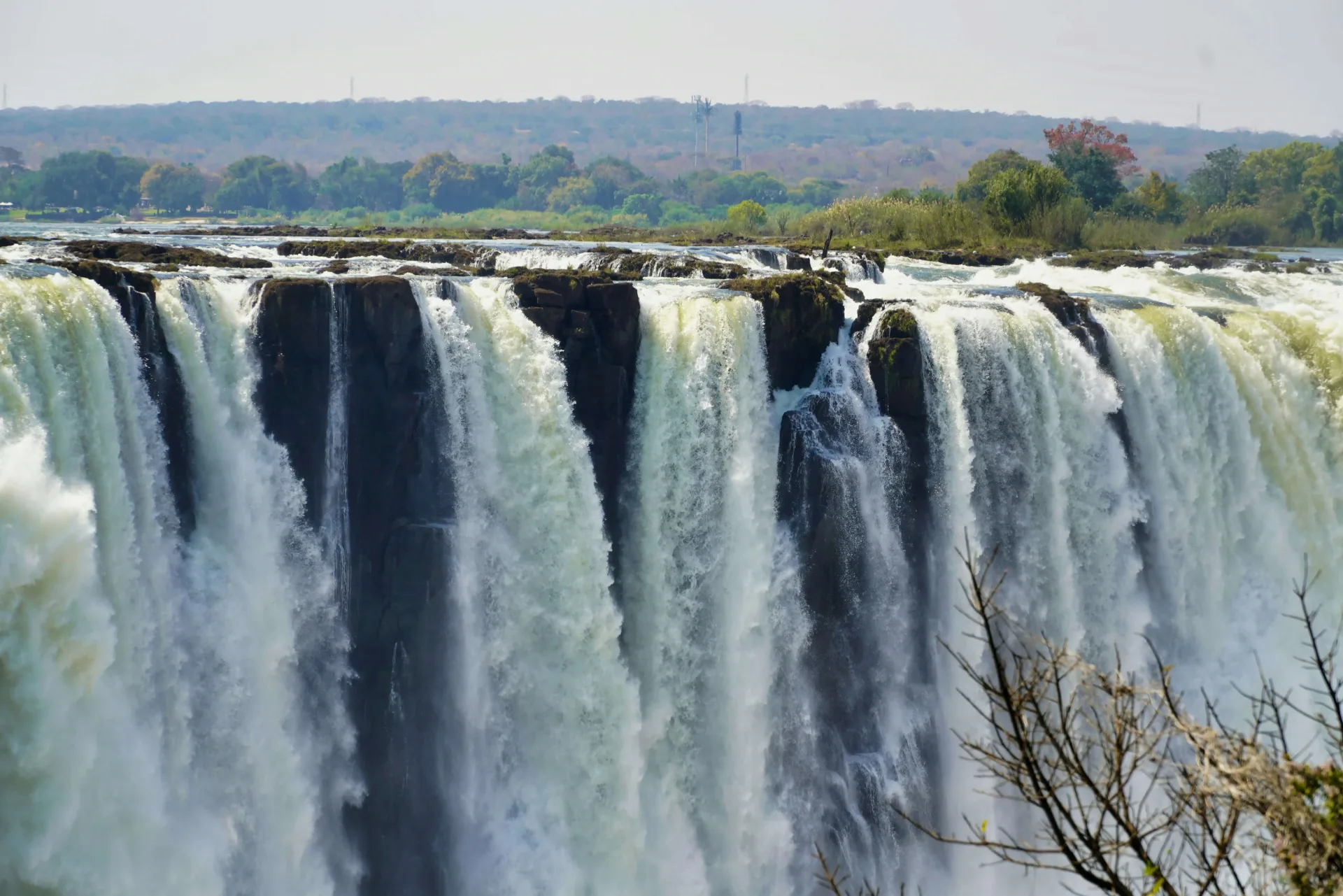
Highlights of Zimbabwe: Victoria Falls & Hwange
Highlights of Zimbabwe: Victoria Falls & Hwange
Zimbabwe
 Adventure
Customizable
Adventure
Customizable
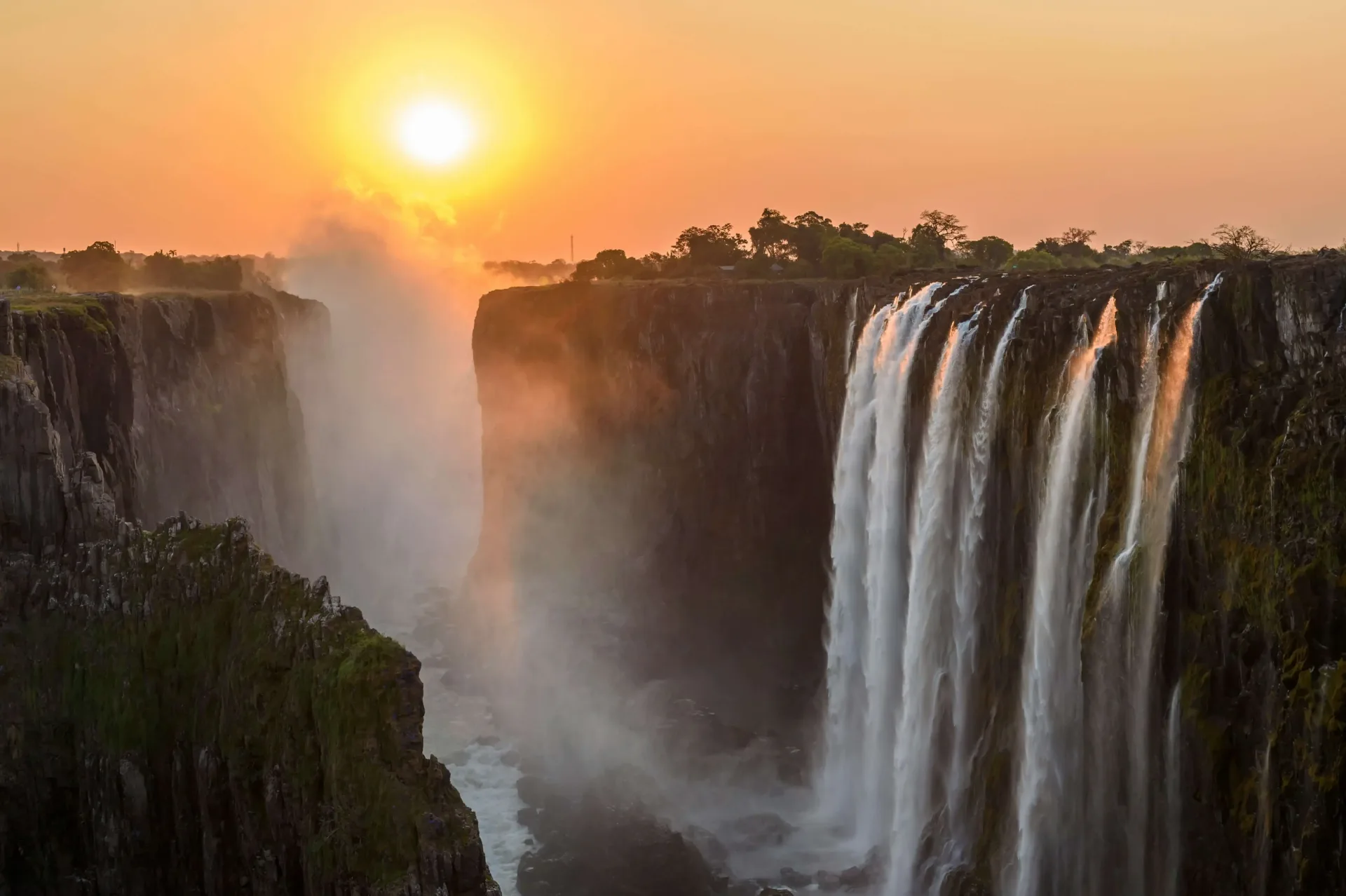
Victoria Falls Adventure: The Smoke that Thunders
Victoria Falls Adventure: The Smoke that Thunders
Zimbabwe
 Adventure
Customizable
Adventure
Customizable
Hwange & Mana Pools: A Great Zimbabwe Safari
Hwange & Mana Pools: A Great Zimbabwe Safari
Zimbabwe