9 Days • 8 Nights
Bolivia Highlights: La Paz, Uyuni Salt Flats & Lake Titicaca
Tour Includes
About the Trip
Trip Highlights
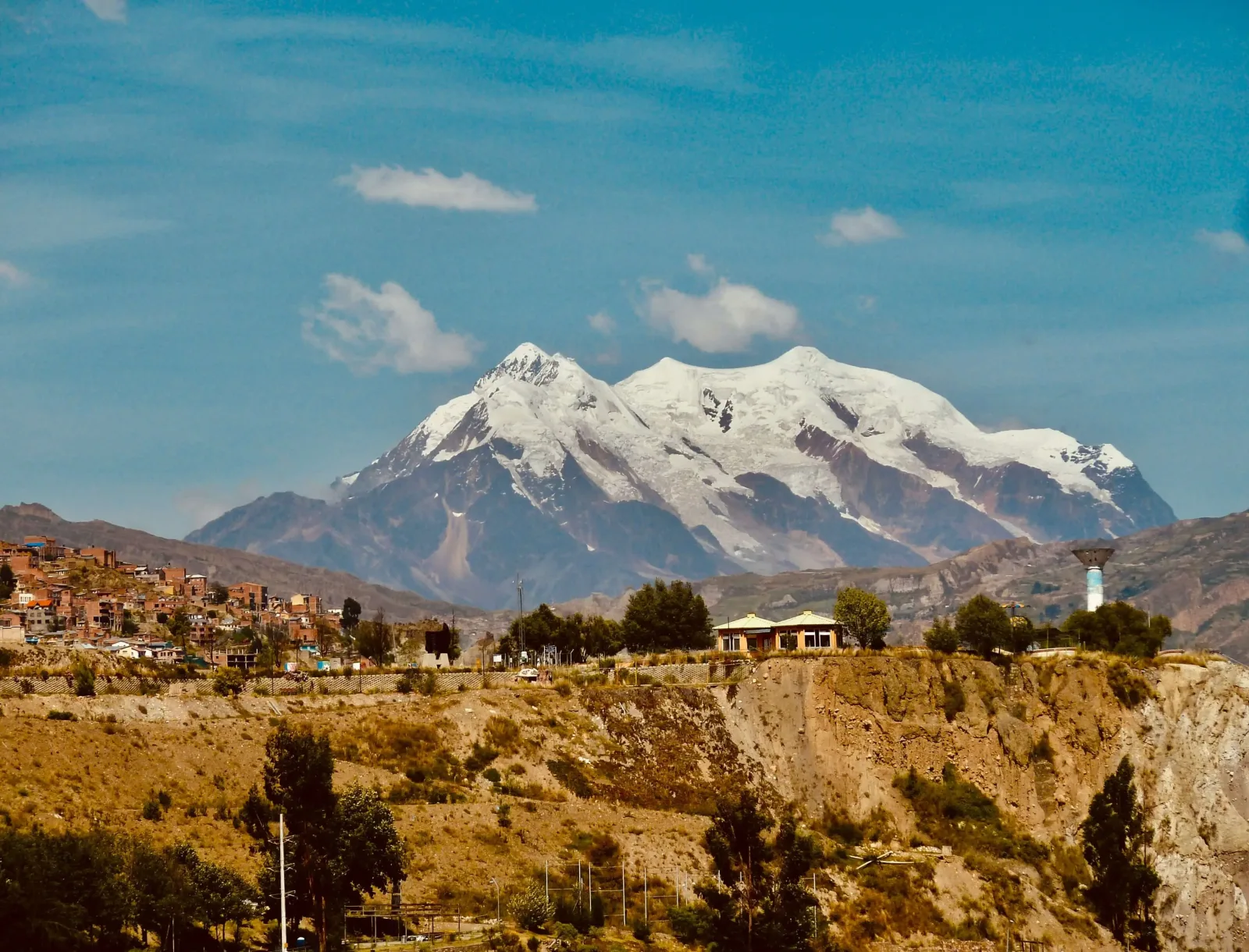
- La Paz, the world's highest capital
- Sacred Lake Titicaca and the Isla del Sol
- The surreal Uyuni salt flats
- Flamingo-filled high-altitude lagoons
- Cactus islands and steaming geysers
- Andean indigenous culture and markets
Day by Day
A detailed day-by-day plan for this 9-day journey.
Welcome to Bolivia. You are met at El Alto airport, one of the world's highest, and transferred down into La Paz. Take it easy to acclimatise to the altitude, and enjoy a gentle welcome dinner.
A guided tour of dramatic La Paz, riding the cable-car Mi Teleferico over the canyon city, exploring the Witches' Market, colonial churches and the vibrant street life, with views of Illimani.
You travel to sacred Lake Titicaca, the highest navigable lake on earth, reaching the pilgrimage town of Copacabana on its shores, with its white cathedral and lake views.
A boat trip to the Isla del Sol, the mythical birthplace of the Inca sun god, walking ancient trails past ruins and terraces among the deep-blue waters and Andean peaks, immersed in living Aymara culture.
You return to La Paz and fly south to Uyuni, gateway to the world's largest salt flat. A first 4x4 excursion takes in the train cemetery and the edge of the dazzling white expanse.
A full day exploring the surreal Salar de Uyuni by 4x4, the blinding-white salt, the cactus-covered Isla Incahuasi, playful perspective photos, and, in the wet season, the astonishing mirror effect where sky and earth merge.
A final morning on the salt flats before flying back to La Paz, with time to rest and reflect on the extraordinary landscapes.
A day exploring more of La Paz, the eroded rock formations of the Valle de la Luna, the artisan markets, and Bolivian cuisine, with a farewell dinner.
After breakfast you are transferred to the airport for your onward flight, having journeyed through Bolivia's Andean wonders.
Where You Will Travel
What's inside the package?
Inclusions
- 8 nights accommodation
- Daily breakfast, a welcome dinner and full board on the salt flats
- Airport and internal transfers
- Touring, sightseeing and activities as per itinerary with expert English-speaking guides
- Domestic flights or 4x4 transport as specified
- National park and attraction entry fees as per itinerary
- a La Paz tour, a Lake Titicaca and Isla del Sol excursion, a 4x4 Uyuni salt flats tour and domestic flights
Exclusions
- International airfare
- Visa or tourist card fees where applicable
- Travel insurance (strongly recommended)
- Meals not mentioned in the itinerary or inclusions
- Drinks unless specifically stated
- Optional excursions and experiences
- Personal expenses and gratuities
- Anything not specifically mentioned under Package Inclusions
Know when to go.
- Visa & entry: Requirements vary by nationality, many (including UK and EU) do not need a visa for short stays, while others, including US citizens, do; a passport valid for at least six months and, sometimes, proof of onward travel and a yellow fever certificate for jungle areas are required. We advise you fully
- Altitude: Much of Bolivia sits very high, La Paz is around 3,600 metres and the Uyuni salt flats over 3,600 metres, so altitude sickness is a real consideration; we build in acclimatisation, and you should ascend gradually, rest, stay hydrated and avoid alcohol at first
- Currency: The currency is the Boliviano; carry cash, especially in rural areas and the salt flats, as cards are accepted only in cities and larger hotels. US Dollars in good condition can be exchanged
- Best time to visit: The dry season (May to October) is best for the highlands and the salt flats, with clear skies; the wet season (November to March) can turn the Uyuni flats into a spectacular mirror but may limit access to some areas
- The salt flats: Uyuni is explored by 4x4 with local drivers over remote terrain; conditions are basic in places, temperatures swing from hot days to freezing nights, and we brief you on what to pack and expect
- Health: A yellow fever vaccination is recommended (and sometimes required) for the Amazon lowlands; bring sun protection for the intense high-altitude sun, warm layers for cold nights, and drink bottled or purified water
- Getting around: Bolivia's distances and terrain mean itineraries combine domestic flights, 4x4s and boats; roads can be rough and journeys long, which is part of the adventure, and everything is arranged for you
- Culture & power: Bolivia has a strong indigenous Aymara and Quechua culture; please ask before photographing people and respect local customs. Power is 220V with type A and C plugs, so bring an adapter
Frequently Asked Questions
How do I cope with the altitude?
La Paz, Titicaca and Uyuni all sit very high, so we begin gently to let you acclimatise, and you should rest, drink plenty of water, eat lightly and avoid alcohol at first. Coca tea helps, and we advise fully; those with heart or lung conditions should consult a doctor.
When does the Uyuni mirror effect happen?
The famous mirror effect, where a thin layer of water turns the salt flat into a vast reflection of the sky, occurs in the wet season, roughly December to March. The dry season offers the classic blinding-white expanse and easier access; we advise on timing.
What meals are included?
Daily breakfast is included, along with any meals named in the itinerary such as a welcome dinner and full board on the salt flats and jungle sections where dining options are limited. Other meals are left free with our recommendations.
How serious is the altitude in Bolivia?
It is a genuine consideration, as La Paz and Uyuni sit very high. We build in time to acclimatise and pace the ascent, and you should rest, stay hydrated and take it easy on arrival. We advise fully and can suggest precautions; those with heart or lung conditions should consult a doctor.
Do I need a visa for Bolivia?
It depends on your nationality, many do not need one for short stays, while some, including US citizens, do. We confirm exactly what you need, along with any yellow fever certificate for jungle areas, when you book.
When is the best time to visit Bolivia?
The dry season (May to October) is best for the highlands and salt flats with clear skies, while the wet season can create the famous Uyuni mirror effect but may limit some access. We advise on timing for your chosen route.
What is the Uyuni salt flats experience like?
Uyuni is explored by 4x4 with local drivers across a vast, otherworldly white expanse, with lagoons, geysers and cactus islands. Conditions are remote and basic in places, and nights are cold, but it is one of the most extraordinary landscapes on earth.
Can the itinerary be customised?
Absolutely. We can adjust the balance of highlands, salt flats, jungle and colonial cities, add Lake Titicaca or the Amazon, change the pace and tailor accommodation to your comfort and budget.
More Adventure Journeys
 Adventure
Customizable
Adventure
Customizable
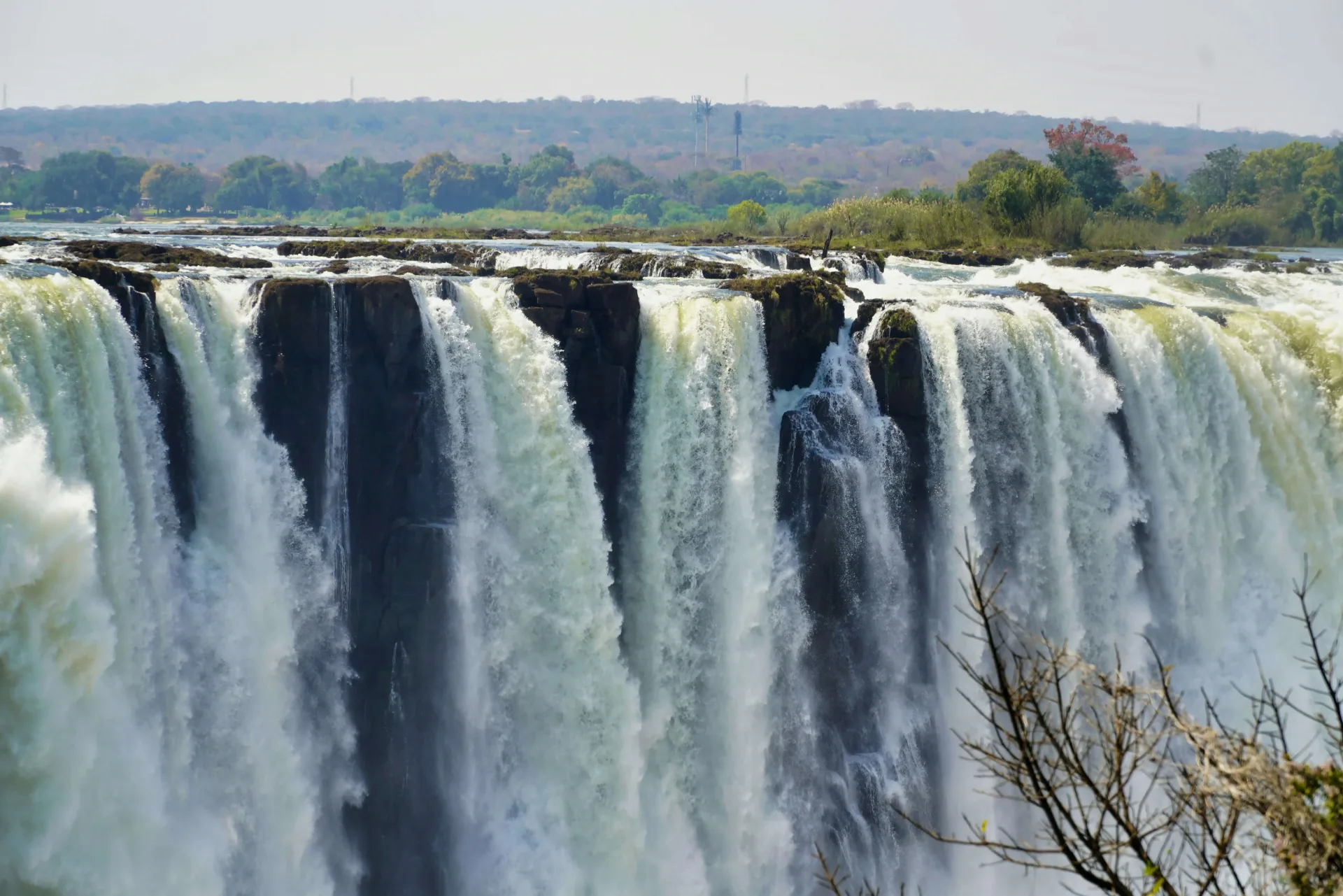
Highlights of Zimbabwe: Victoria Falls & Hwange
Highlights of Zimbabwe: Victoria Falls & Hwange
Zimbabwe
 Adventure
Customizable
Adventure
Customizable
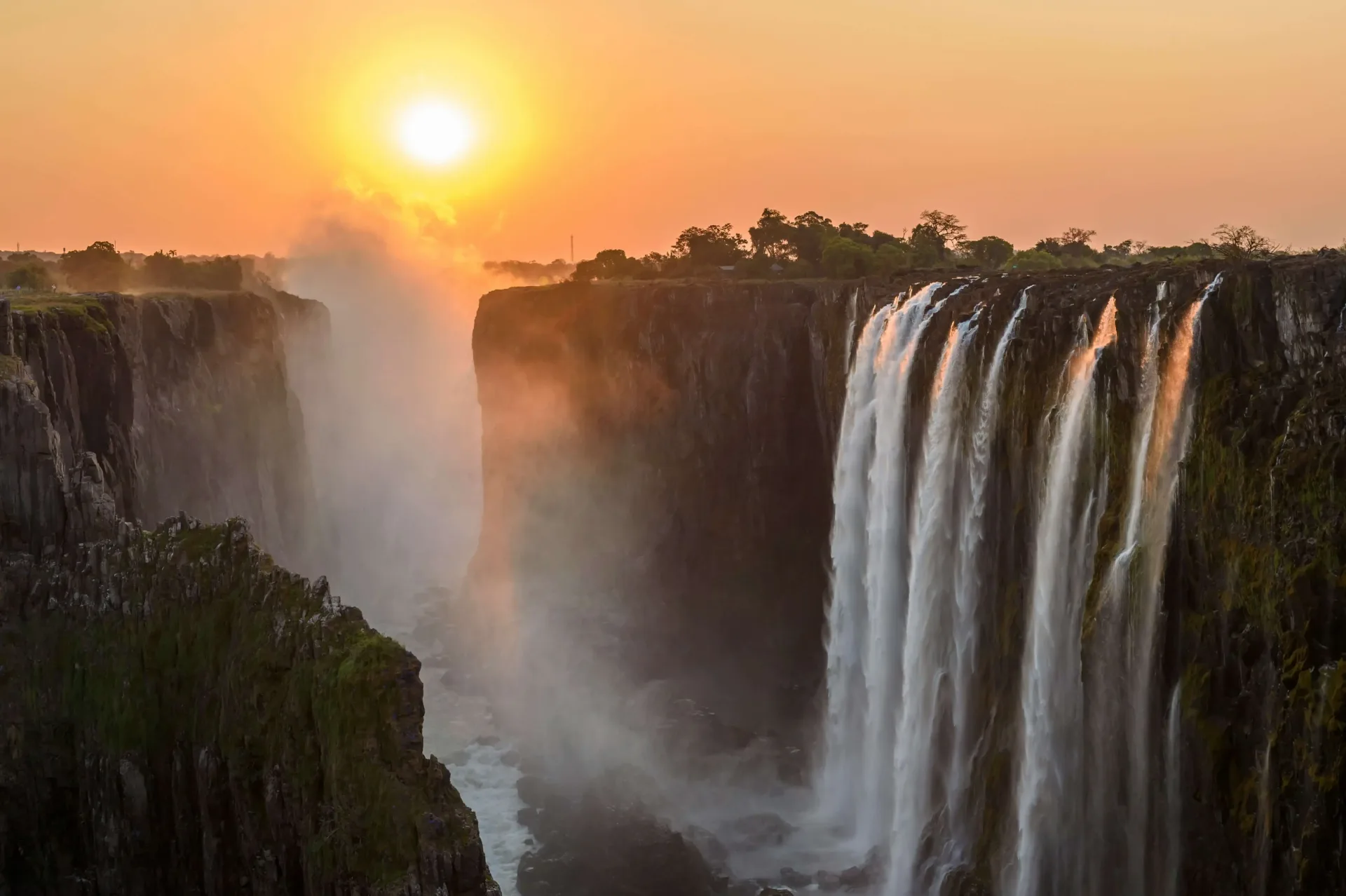
Victoria Falls Adventure: The Smoke that Thunders
Victoria Falls Adventure: The Smoke that Thunders
Zimbabwe
 Adventure
Customizable
Adventure
Customizable
Hwange & Mana Pools: A Great Zimbabwe Safari
Hwange & Mana Pools: A Great Zimbabwe Safari
Zimbabwe