
7 Days • 6 Nights
Bale Mountains & the Ethiopian Wolf
Tour Includes
About the Trip
Trip Highlights
- The search for the Ethiopian wolf is the thrilling centrepiece of this journey and one of the great wildlife experiences in Africa. The Ethiopian wolf is the rarest canid on the planet, with only a few hundred surviving, and the Bale Mountains hold by far the largest population, making this the best place on Earth to see one. On the high Sanetti Plateau, a vast afro-alpine moorland above 4,000 metres, you scan the open ground for these elegant, russet-and-white predators, often watching one trot purposefully across the tussocks or pause to pounce on a giant molerat, its main prey.
- The dramatic Sanetti Plateau and its afro-alpine wilderness are a spectacular highlight, a landscape unlike anywhere else in Africa. Crossed by the highest all-weather road on the continent, which climbs to over 4,300 metres near the summit of Tullu Dimtu, the plateau is a vast, otherworldly expanse of frost-hardy vegetation, glacial tarns, giant lobelia and endless tussock grass, often wreathed in mist or gleaming under a huge, clear sky. Up here the air is thin and the light extraordinary, and besides the Ethiopian wolf you may see augur buzzards, wattled cranes, and flocks of endemic birds, with giant molerats popping from their burrows all around.
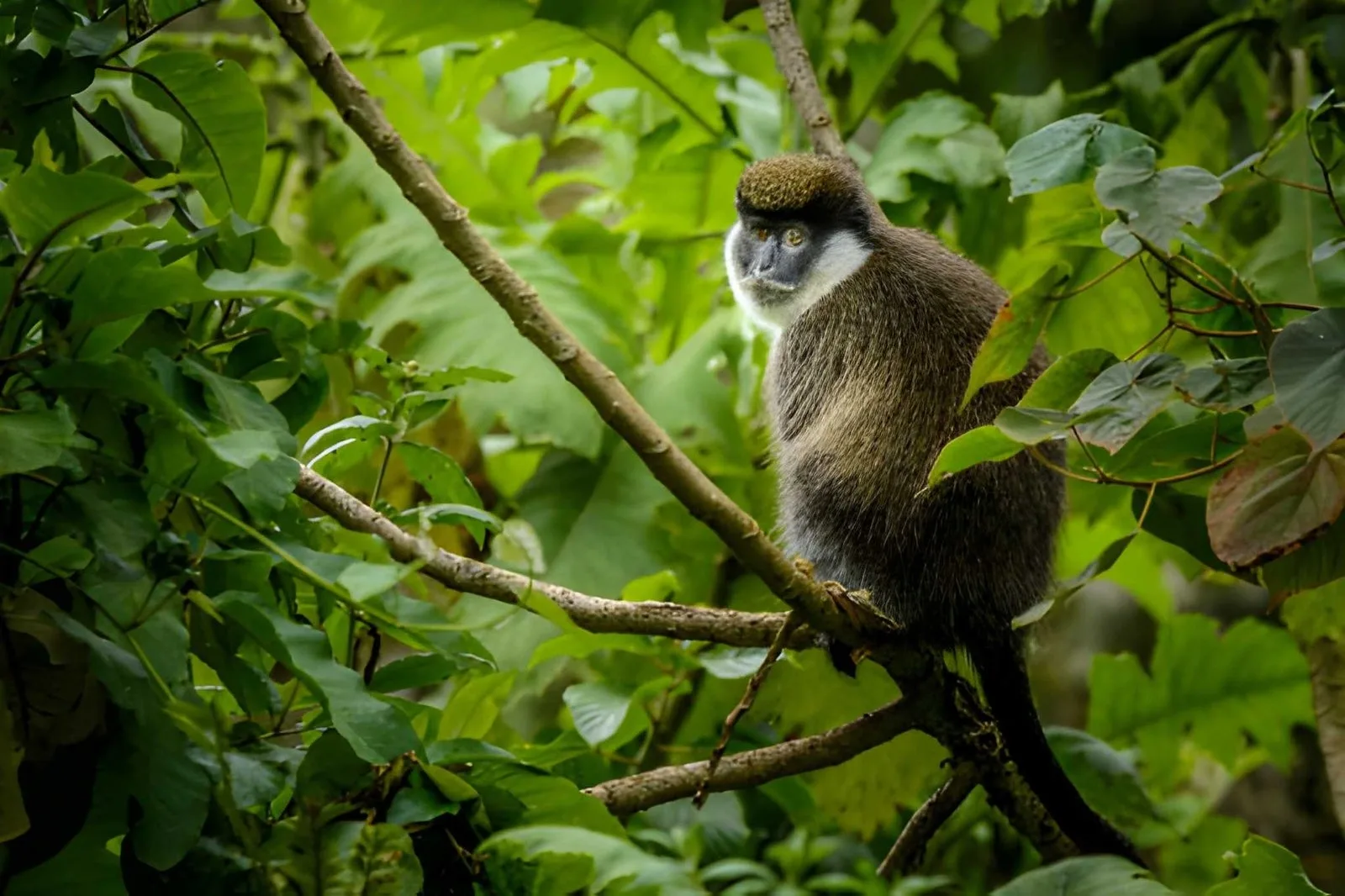
- The Harenna Forest and the descent of the southern escarpment are a magical highlight, a complete change of world. From the frost of the Sanetti Plateau, the road plunges down the dramatic southern escarpment into the Harenna Forest, one of the largest cloud forests in Ethiopia and a place of enchanting, misty beauty. Here ancient trees drip with mosses, lichens and old man's beard, wild coffee grows in the shade of the canopy, and the forest teems with life, including the endemic Bale monkey, colobus monkeys, bushpig, an array of forest birds and, elusively, lions and leopards.
- The mountain nyala and other endemic mammals of Bale are a rewarding highlight for wildlife enthusiasts. The Bale Mountains are the last real stronghold of the mountain nyala, a large, handsome and shy antelope with gently spiralling horns found only in the Ethiopian highlands, and on the Gaysay grasslands near the park headquarters at Dinsho you have an excellent chance of watching herds grazing at dawn or dusk, along with Menelik's bushbuck, warthogs, grey duiker and reedbuck. Bohor reedbuck and troops of grivet monkeys are often seen, and the giant molerat, a bizarre endemic rodent, is a constant presence on the plateau.
- The exceptional birdlife of the Bale Mountains is a highlight that delights both dedicated birdwatchers and casual observers. Bale is one of the top birding destinations in Africa, with a remarkable list that includes many species endemic to Ethiopia or to the highlands. On the Gaysay grasslands, the Sanetti Plateau, the Harenna Forest and around the lakes you may see the striking blue-winged goose, wattled crane, spot-breasted lapwing, Rouget's rail, the endemic Abyssinian catbird and Bale parisoma, thick-billed raven, lammergeier and augur buzzard, among a great many others. The variety across the different habitats, from high moorland to cloud forest to wetland.
- The Great Rift Valley lakes and scenery add beauty and relaxation at the start and end of this wildlife journey. The drive between Addis Ababa and the Bale Mountains carries you through the spectacular Ethiopian section of the Great Rift Valley, past a chain of lakes, escarpments, farmland and towns full of colour and life. You end your journey beside a beautiful Rift Valley lake, such as Lake Langano, where you can relax on the shore, swim in the safe waters, watch a wealth of waterbirds and unwind after the high mountains.
Day by Day
A detailed day-by-day plan for this 7-day journey.
Your Bale Mountains wildlife journey begins as your flight lands in Addis Ababa, Ethiopia's high-altitude capital, where the elevation already begins your acclimatisation for the high country ahead. You are met and transferred to your hotel to rest after your journey. If time allows, your guide may show you something of the capital, perhaps the Natural History collections or the National Museum to meet Lucy, the famous fossil ancestor, before a welcome dinner introducing Ethiopia's richly spiced cuisine and coffee culture. This evening your naturalist guide briefs you on the wildlife you hope to see, the altitude of the Sanetti Plateau, and the days ahead. An early night helps you adjust to the thinner air. Rest well in Addis Ababa, ready tomorrow to drive south through the scenic Great Rift Valley toward the wild, endemic-rich highlands of the Bale Mountains.
Today you set out south from Addis Ababa on a scenic drive into the Great Rift Valley and up toward the Bale Mountains, passing a chain of lakes, escarpments, colourful roadside towns and highland farmland along the way. Climbing steadily into the mountains, you reach the national park and its headquarters at Dinsho in the afternoon. Here, on the Gaysay grasslands, you take your first wildlife walk or drive in search of the handsome mountain nyala, found only in these mountains, along with Menelik's bushbuck, warthogs, reedbuck and grivet monkeys, and your first endemic highland birds. The cool, clear mountain air and open landscapes are invigorating. You settle into your mountain lodge, and over dinner your guide outlines the exciting days of wildlife watching ahead. Rest well on your first night high in the beautiful Bale Mountains.
Today is the highlight of the journey, a full day on the high Sanetti Plateau in search of the rare Ethiopian wolf. You drive up onto this vast afro-alpine moorland via the highest all-weather road in Africa, which climbs past 4,300 metres near the summit of Tullu Dimtu, entering an otherworldly landscape of frost-hardy vegetation, giant lobelia, glacial tarns and endless tussock grass beneath a huge sky. Here you scan the open ground for the Ethiopian wolf, the rarest canid on Earth, watching for its elegant russet form trotting across the moor or pouncing on giant molerats, its main prey. You also look for wattled cranes, augur buzzards and endemic highland birds. The sense of remote, high wilderness is profound. Descending in the afternoon, you return to your lodge. Rest well, hopefully having watched the wolves of Bale.
Today you cross the Sanetti Plateau once more and descend the dramatic southern escarpment into a completely different world, the ancient Harenna Forest, one of the largest cloud forests in Ethiopia. As the road drops, frost gives way to a dripping, primeval woodland where great trees are draped in moss, lichen and old man's beard, wild coffee grows in the shade, and mist drifts through the canopy. Here you look for the endemic Bale monkey, black-and-white colobus, bushpig, forest birds and other elusive wildlife, walking gentle forest trails with your guide and local scout amid the enchanting, biodiverse beauty. You may sample wild forest coffee and learn about the forest's importance. The transition from high moorland to lush cloud forest in a single day is remarkable. Returning to your lodge, rest well after a magical day in the forests of Bale.
Today you explore more of the Bale Mountains at a relaxed pace, focusing on wildlife and beautiful scenery. In the soft morning light you return to the Gaysay grasslands, prime time for watching mountain nyala, bushbuck, warthog and reedbuck grazing, and for endemic birds. You may take a walk or, optionally, a horse ride into the scenic Web Valley, another excellent area for spotting Ethiopian wolves and a wealth of birdlife amid rolling moorland and streams. Bale is one of Africa's finest birding destinations, and your guide helps you find endemics such as the blue-winged goose, spot-breasted lapwing, Abyssinian catbird and Rouget's rail. The empty, dramatic highland scenery is a pleasure in itself. Enjoy a final evening at your mountain lodge, reflecting on the wildlife you have seen. Rest well on your last night in the beautiful Bale Mountains.
Today you leave the high mountains and drive back down through the Great Rift Valley to the shores of Lake Langano, a beautiful and safe Rift Valley lake where you can relax and unwind after the rigours of the highlands. The scenic drive carries you past farmland, escarpments and other lakes, the temperature warming pleasantly as you descend. Arriving at your lakeside lodge, you have time to swim in the calm, bilharzia-free waters, relax on the shore, and enjoy the birdlife, with pelicans, storks, fish eagles and, on nearby lakes, flamingos among the many species. You might take an optional boat trip or birdwatching walk, or simply savour a sundowner as the sun sets over the water. The contrast with the cold plateau is delightful. Enjoy a relaxed final dinner. Rest well beside beautiful Lake Langano.
After a final relaxed breakfast by Lake Langano and perhaps a last birdwatching stroll along the shore, you drive back north through the Great Rift Valley to Addis Ababa, where you connect with your onward international departure, or extend your journey to the historic north or the Omo Valley. You leave having explored one of Africa's finest and least-known wildlife regions, having searched the high Sanetti Plateau for the rare Ethiopian wolf, watched mountain nyala on the grasslands, descended into the enchanting Harenna cloud forest, and delighted in the endemic birdlife, all set amid the wild, empty grandeur of the Bale Mountains and rounded off beside a beautiful Rift Valley lake. The images of russet wolves on the high moor and mist drifting through mossy forest stay with you long after you fly home. Depart already dreaming of a return to wild Ethiopia.
Where You Will Travel
What's inside the package?
Inclusions
- 6 nights accommodation, most dinners at lodges and some meals
- Daily breakfast
- Domestic flights on the historic route and airport and land transfers
- Touring and sightseeing as per itinerary with expert local guides
- Entrance fees to churches, castles, museums and parks as per itinerary
- private 4x4 touring with expert naturalist guides, Bale Mountains National Park fees and a local scout, wildlife drives and walks across the Sanetti Plateau, Gaysay grasslands and Harenna Forest, Rift Valley scenic drives, a Lake Langano stay, and all entrance and community fees
Exclusions
- International airfare
- Visa or tourist card fees where applicable
- Travel insurance (strongly recommended)
- Optional horse riding and extended treks in the park
- Tips for guides, scouts and drivers
- Meals not mentioned in the itinerary or inclusions
- Drinks unless specifically stated
- Optional excursions and experiences
- Personal expenses and gratuities
- Anything not specifically mentioned under Package Inclusions
Know when to go.
- Visa & entry: Most nationalities need a visa for Ethiopia, obtained conveniently as an eVisa online before travel, with a passport valid for at least six months and blank pages. A yellow fever vaccination certificate is often requested on arrival. Requirements can change, so we confirm the exact process for your nationality and help arrange the eVisa in advance so your entry is smooth
- Currency & money: The currency is the Ethiopian Birr (ETB), and Ethiopia remains largely a cash economy; carry sufficient Birr for markets, tips, small cafes, churches and rural areas, as card acceptance is limited outside major Addis Ababa hotels. ATMs are found in Addis Ababa and larger towns but can be unreliable, so we advise carrying US dollars in cash to change and enough Birr for each region
- Best time to visit: October to March is the prime dry season across the highlands, with clear, sunny days ideal for Lalibela, Gondar, Axum, the Simien Mountains and the Omo Valley, and cooler nights at altitude. The colourful festival of Timkat (Ethiopian Epiphany) in January is spectacular. The main rains fall June to September, greening the land but making some roads and treks harder, while the low Danakil Depression is best visited in the cooler months
- Language & etiquette: Amharic is the official language, written in the unique Geez script, and English is widely spoken in tourism and towns. Ethiopia is deeply rooted in ancient Orthodox Christianity; at churches and monasteries dress modestly (cover shoulders and knees), remove your shoes before entering, and always ask before photographing people, priests or ceremonies. In the Omo Valley a small fee is customary for portraits, which your guide arranges respectfully
- Getting around: The classic historic route (Bahir Dar, Gondar, Axum, Lalibela) is linked by short domestic flights on Ethiopian Airlines, which we include to save long drives, while the Simien Mountains, Danakil Depression, Omo Valley and Bale Mountains are reached by 4x4 with expert drivers. Roads can be rough and journeys long but hugely scenic; we build in realistic timings and comfortable vehicles throughout
- Health & safety: Addis Ababa sits at around 2,355m and the highlands are higher still, so allow time to acclimatise and take it easy on arrival; the Simien and Bale mountains reach well over 3,000m. The Danakil Depression is one of the hottest places on Earth, so heat precautions matter, while malaria prophylaxis is advised for lowland areas such as the Omo and Danakil. We monitor regional travel advisories and plan routes accordingly
- Culture & calendar: Ethiopia follows its own unique calendar of thirteen months (twelve of thirty days plus a short thirteenth), running roughly seven to eight years behind the Gregorian calendar, and even tells time on a twelve-hour clock starting at dawn. This proud, ancient culture, never colonised, is expressed in rock-hewn churches, castles, the Geez liturgy, the famous coffee ceremony and richly spiced cuisine eaten with injera flatbread
- Power & plugs: Electricity is 220V and sockets are typically European-style types C, E, F and L (round two-pin), so bring a suitable adapter and, ideally, a power bank, as power cuts can occur, especially in remote areas and on treks. Mobile coverage is good in cities and patchy in the mountains, Danakil and Omo; we recommend downloading maps and key documents offline before heading into remote regions
Frequently Asked Questions
What are my chances of actually seeing the Ethiopian wolf?
Chances are very good. The Bale Mountains hold the largest surviving population of Ethiopian wolves, and the Sanetti Plateau is widely regarded as the single best place in the world to see them, with most visitors who spend a full day up there enjoying good sightings. The wolves are diurnal, hunt in the open, and are relatively tolerant of quiet, respectful observers in vehicles or on foot. While wildlife is never guaranteed, we allow ample time on the plateau and use expert naturalist guides who know the wolves' territories, giving you an excellent opportunity to watch this rare and beautiful animal.
How does the altitude in Bale affect the trip?
The Bale Mountains are high, with the lodges around 3,000 metres and the Sanetti Plateau exceeding 4,000 metres, so some travellers feel mild effects of altitude such as breathlessness or a headache. Spending your first night in Addis Ababa at around 2,355 metres helps you begin to acclimatise, and we keep the pace gentle, especially on the plateau, with most wildlife watching done from or near the vehicle. Staying well hydrated, taking it slowly and dressing warmly all help. Anyone with heart or respiratory concerns should consult their doctor before travel, and we are happy to advise.
What meals are included?
Daily breakfast is included, along with any meals named in the itinerary, which typically means most dinners at lodges and remote camps in the Simien, Danakil, Omo and Bale regions where dining options are limited. Ethiopian cuisine is a delicious highlight, from injera (a tangy sourdough flatbread) served with an array of spiced stews called wat, to fasting (vegan) platters and world-famous coffee prepared in the traditional ceremony. We usually leave city lunches and some dinners free and recommend the best local restaurants at every stage.
Are the tours private or in a group?
Your journey is private by default, with your own expert local guide and vehicle, giving you flexibility, depth and a pace tailored to you; small-group departures can also be arranged, especially for the Danakil Depression and Simien treks where shared logistics are common. Ethiopia's knowledgeable guides bring the rock-hewn churches, castles, stelae, mountains and diverse cultures vividly to life, and are essential for navigating the historic route, remote regions and the customs of the Omo Valley.
Do I need a visa for Ethiopia?
Most nationalities need a visa, obtained conveniently as an eVisa online before you travel, while arrangements vary for a few passports. We confirm the exact, current requirements for your nationality, advise on the best option, and help arrange the eVisa in advance so entry is smooth. A passport valid for at least six months with blank pages is required, and a yellow fever certificate is often requested on arrival.
Is Ethiopia safe to visit?
The classic tourist regions covered in our journeys, including the historic northern circuit, the Simien and Bale mountains, the Danakil Depression and the Omo Valley, are generally welcoming and rewarding to visit with the right local guides and logistics. We continuously monitor official travel advisories, avoid any areas of concern, use trusted local operators, and adjust routes as needed. Ethiopians are famously warm and hospitable, and travel with an experienced guide is smooth and deeply rewarding.
When is the best time to visit?
October to March is the prime dry season across the highlands, with clear, sunny days perfect for the historic route, the Simien Mountains and the Omo Valley, and this is also when the spectacular Timkat festival falls in January. The main rains from June to September green the landscape beautifully but can complicate some roads and treks. The Danakil Depression is best visited in the cooler months. We advise on the ideal timing for your chosen regions and interests.
Can the itinerary be customised?
Absolutely. We can adjust the balance of the historic north, the Simien or Bale mountains, the Danakil Depression and the Omo Valley, add nights in Lalibela for a major festival, extend trekking or wildlife time, upgrade lodges, or combine regions into a grand tour. Every itinerary is a flexible starting point that we tailor to your interests, pace, comfort and budget, crafting your ideal journey through the extraordinary landscapes and ancient cultures of Ethiopia.
More Adventure Journeys
 Adventure
Customizable
Adventure
Customizable
Highlights of Zimbabwe: Victoria Falls & Hwange
Highlights of Zimbabwe: Victoria Falls & Hwange
Zimbabwe
 Adventure
Customizable
Adventure
Customizable
Victoria Falls Adventure: The Smoke that Thunders
Victoria Falls Adventure: The Smoke that Thunders
Zimbabwe
 Adventure
Customizable
Adventure
Customizable
Hwange & Mana Pools: A Great Zimbabwe Safari
Hwange & Mana Pools: A Great Zimbabwe Safari
Zimbabwe