
11 Days • 10 Nights
Antarctica Photography Expedition: Ice & Wildlife
Tour Includes
About the Trip
Trip Highlights
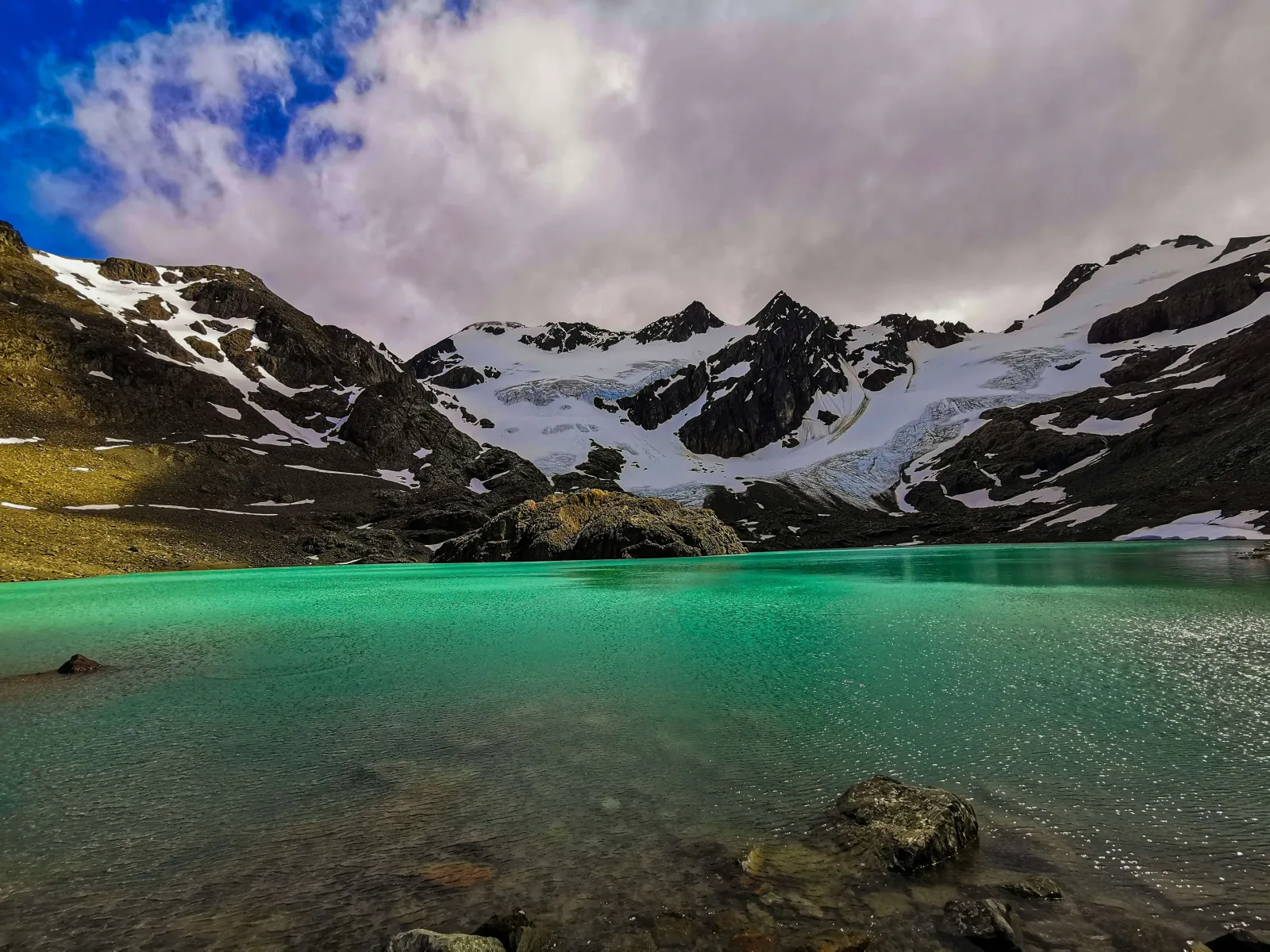
- Photographing the sculpted icebergs and glaciers of Antarctica in the ever-changing polar light is a spectacular highlight. Antarctica offers the most extraordinary ice on Earth to photograph, cathedral-sized bergs glowing electric blue, glaciers striped with ancient layers, and floes sculpted by wind and water into fantastic shapes, all lit by a polar sun that circles low on the horizon and paints the ice pink, gold and lilac for hours. Cruising by Zodiac at water level, your photo guides help you find the finest compositions, read the changing light and capture reflections in mirror-still bays. The scenery is a photographer's dream.
- Capturing intimate portraits of fearless penguins, seals and whales is a wonderful highlight of this expedition. Antarctica's wildlife is famously unafraid of people, allowing extraordinarily close and intimate images. With extended shore time and small-group Zodiac outings, your photo guides help you capture gentoo, chinstrap and Adelie penguins tending chicks and porpoising through the shallows, leopard and crabeater seals lounging on the floes, and humpback and minke whales surfacing beside the boat. They coach you on capturing behaviour, catchlights and motion, and on being ready for the fleeting moment when a whale breaches or a penguin leaps. The results are images of astonishing intimacy.
- Learning hands-on from professional photography guides at every outing is a valuable highlight of this voyage. What sets this expedition apart is the dedicated team of professional photographers who accompany you throughout, working alongside the naturalists at every landing and Zodiac cruise. Whatever your level or equipment, from a professional rig to a smartphone, they offer hands-on tuition in composition, exposure, focus and settings for the tricky polar conditions of bright snow and blue ice, help in the field at each site, and reviews and editing workshops aboard. Your photography improves dramatically over the voyage.
- Enjoying extended shore time and Zodiac cruises timed for the best light is a real highlight of this expedition. This photography-focused voyage is designed around light and patience, with landings and Zodiac cruises timed where possible for the golden hours, longer time ashore to wait for the perfect moment, and small-group outings that let you work slowly and thoughtfully rather than rush. You linger at a penguin colony as the light softens, drift among icebergs as the sun circles low, and set out early or late when others rest. This patient, light-led approach is the secret to great polar photography.
- Crossing the Drake Passage and exploring the Antarctic Peninsula deliver the full wonder of a polar expedition. Beyond the photography, this is a genuine Antarctic expedition with all its magic. You cross the legendary Drake Passage watched over by albatrosses and petrels, then spend days exploring the spectacular Antarctic Peninsula, landing among penguins, cruising by Zodiac amid icebergs and whales, sailing through ice-filled channels, and standing in the overwhelming beauty and silence of the White Continent. The naturalists bring the wildlife, ice and history alive, and every day is filled with wonder as well as photographic opportunity.
- Above all, this expedition is the ideal way to bring home truly unforgettable images of Antarctica. Over eleven days you cross the Drake Passage, explore the Antarctic Peninsula, and photograph its sculpted ice, blazing skies and fearless wildlife with the help of professional photography guides, enjoying extended, light-led shore time and small-group Zodiac cruises. Whether you are a serious photographer or simply want the best possible pictures of a once-in-a-lifetime journey, this voyage is designed to help you succeed, combining a genuine polar expedition with expert tuition and patient, thoughtful outings.
Day by Day
A detailed day-by-day plan for this 11-day journey.
Your photography expedition begins in Ushuaia, the world's southernmost city, set between the mountains of Tierra del Fuego and the Beagle Channel. You are met on arrival and transferred to your hotel, with time to settle in and explore this photogenic frontier port, once the launching point of great polar expeditions. Stroll the colourful waterfront, ride the scenic chairlift for sweeping views over the channel and peaks, and make a first few frames of the dramatic setting. This evening, perhaps join a welcome briefing with the photography and expedition team over dinner, sampling local king crab and Patagonian lamb. Ahead lie eleven days devoted to capturing the ice, light and wildlife of Antarctica. As the gateway to the White Continent buzzes with anticipation, rest well, for tomorrow you board your expedition ship and set sail.
This morning is yours to explore Ushuaia or the nearby Tierra del Fuego National Park, camera in hand, before you embark your expedition ship in the afternoon. After settling into your cabin and meeting the crew, expedition team and photography guides, the ship sails east down the historic Beagle Channel, snow-capped mountains rising on either side as cormorants and petrels wheel past, wonderful first subjects for your lens. Over a welcome dinner you meet your fellow photographers and the guides outline the tuition and outings ahead. As Tierra del Fuego slips astern and the ship turns south into the Drake Passage, the photography guides begin their first workshops on gear and settings for polar conditions. As the first night at sea arrives, rest well as the expedition begins.
Today you sail south across the legendary Drake Passage, and the photography guides make excellent use of the sea days with workshops on composition, exposure, wildlife technique and editing, preparing you for the extraordinary conditions ahead. Out on deck they help you photograph the wandering albatrosses, giant petrels and cape petrels that wheel around the ship, superb practice for capturing birds in flight. The expedition naturalists add lectures on the penguins, whales, seals, ice and history to come. Whether the Drake is calm or lively, there is a real sense of adventure, and the light and seabirds offer constant opportunities for the camera. The air grows steadily colder and crisper as the first icebergs may appear. As you sail deeper into the Southern Ocean, rest well aboard your ship.
As you continue south the temperature drops, the light changes and the first great icebergs appear, glowing on the horizon, a heart-stopping first subject as the White Continent draws near. By late today you approach the Antarctic Peninsula and the South Shetlands, and, conditions permitting, make your first Zodiac cruise or landing, with the photography guides helping you capture your very first images of Antarctic ice and wildlife. The expedition team briefs you thoroughly on biosecurity and Zodiac safety, and the photo guides advise on protecting your gear in the cold and shooting the bright snow and blue ice. The thrill of framing that first iceberg or penguin is indescribable. As the long polar day fades in soft, endless light, savour your arrival in a photographer's paradise. Rest well aboard your ship.
Today you begin photographing the spectacular Antarctic Peninsula in earnest, with the expedition leader and photography guides choosing landings and Zodiac cruises for the finest subjects and light. You might spend extended time at a bustling gentoo penguin colony capturing behaviour and portraits, cruise slowly among stranded icebergs to shoot their sculpted forms and blue depths, or photograph humpback whales feeding at the surface. The photo guides work beside you in the field, coaching composition, exposure and timing, and helping you seize fleeting moments. Between outings, review and edit your images aboard with the guides. The scenery of black peaks, blue ice and endless white is a photographer's dream. As another long day of shooting in glorious light ends, rest well, deep in the beauty of the Peninsula.
Today, ice permitting, you sail through the breathtaking Lemaire Channel, a narrow, mile-wide passage between towering cliffs and glaciers so beautiful it is nicknamed Kodak Gap, a legendary subject where the ship glides through mirror-still water reflecting the peaks, ideal in the soft polar light. You explore the sublime Paradise Harbour, cruising by Zodiac beneath immense glacier walls and among fantastically sculpted icebergs, with leopard seals on the floes and whales surfacing nearby, all timed where possible for the finest light. The photography guides help you capture reflections, scale and drama, and the intimacy of the wildlife. This is Antarctica at its most photogenic. As the day ends amid this overwhelming beauty, with the sun circling low and gilding the ice, savour the profound polar silence. Rest well aboard your ship.
You have a further full day to photograph the wonders of the Antarctic Peninsula, with the flexible, light-led itinerary shaped around the best opportunities. You might make an early Zodiac cruise in soft morning light among the icebergs of Cierva Cove or Wilhelmina Bay, famous for feeding whales, land at a historic site such as Port Lockroy, or spend extended time at a penguin colony waiting for the perfect moment. The photo guides work alongside you throughout, coaching technique and helping you capture behaviour, light and landscape, and the small-group Zodiac outings let you work slowly and thoughtfully. Adelie, gentoo and chinstrap penguins, seals and whales are your constant subjects. As this magnificent day of photography draws to a close, review your best frames with the guides. Rest well aboard your ship.
Today you make the most of your final photographic explorations in Antarctica before turning north. The expedition team and photo guides seize every last opportunity for a landing or Zodiac cruise in the finest light, perhaps a final penguin colony, a last drift among the icebergs, or a further whale encounter, and, for the brave, the chance to photograph a bracing polar plunge. You capture the scenery and wildlife one more time, committing to memory and to your camera the penguins, whales, seals and endless ice of this pristine continent. By late afternoon the ship turns her bow northward and begins the crossing of the Drake Passage, and you gather on deck to photograph the mountains and icebergs of Antarctica slipping astern in the low light. As the White Continent fades, savour the images you have made. Rest well.
Today you sail north across the Drake Passage towards South America, and the photography guides host editing workshops, image reviews and critiques, helping you select and process your finest frames from the voyage. Once again albatrosses and petrels escort the ship, offering more chances to photograph birds in flight, and the naturalists reflect on the wildlife, ice and history you have experienced. There is time to relax, back up your images, enjoy the ship's facilities and share your best shots with the friends you have made. The mood is one of contentment and creative satisfaction. Keep an eye out for seabirds and the occasional whale as the ship rolls northward. As Antarctica recedes behind you and your gallery of images grows, rest well, carrying the beauty of the White Continent with you.
Your final full day at sea takes you back across the Drake Passage towards Cape Horn and the tip of South America. Conditions permitting, you may sail close to fabled Cape Horn, the southern extremity of the Americas, a dramatic final subject for your lens. The photography guides host a final editing session and a slideshow of the group's best images, a wonderful celebration of the voyage, while the expedition team gives a farewell recap. This evening you enjoy a captain's farewell dinner, toasting the extraordinary journey and images you have shared. Land comes into view as the ship approaches the Beagle Channel once more. As your last night aboard the expedition ship arrives, reflect on the penguins, whales, icebergs and light you have captured. Rest well ahead of disembarkation tomorrow.
This morning your expedition ship returns to Ushuaia and, after a final breakfast aboard, you bid farewell to the crew, the expedition team, the photography guides and your fellow travellers before disembarking. You are transferred to the airport for your onward flight, carrying not only memories but a gallery of extraordinary images that will last a lifetime. You leave having achieved something special, a genuine Antarctic expedition devoted to photography, where you crossed the legendary Drake Passage, captured the sculpted ice and blazing skies of the Peninsula, and made intimate portraits of fearless penguins, seals and whales with the help of professional guides. The images stay vivid on your screen and in your memory long after you land, and you depart with new skills, unforgettable pictures, and dreams of a return to the White Continent.
Where You Will Travel
What's inside the package?
Inclusions
- 10 nights accommodation aboard the expedition vessel and in gateway hotels with all meals, snacks and beverages included while aboard the expedition ship
- Expert expedition team of naturalists, marine biologists, historians and polar guides
- Daily Zodiac cruises and shore landings as ice, weather and wildlife allow
- Loan of an expedition parka to keep and insulated rubber boots for landings
- Port charges, pre-departure materials and a full programme of briefings and lectures
- One night in a gateway hotel in Ushuaia with breakfast, group transfers, a dedicated team of professional photography guides with tuition and editing workshops, and a full programme of extended Zodiac cruises, shore landings and lectures led by the expedition team
Exclusions
- International airfare
- Visa or tourist card fees where applicable
- Travel insurance (strongly recommended)
- Mandatory medical and emergency evacuation insurance
- Camera equipment hire and gratuities for the crew and expedition team
- Meals not mentioned in the itinerary or inclusions
- Drinks unless specifically stated
- Optional excursions and experiences
- Personal expenses and gratuities
- Anything not specifically mentioned under Package Inclusions
Know when to go.
- Visa & entry: Antarctica has no government, borders or visa of its own, but you reach it through a gateway country. Voyages from Ushuaia require entry to Argentina, and fly-cruise trips from Punta Arenas require entry to Chile, so we confirm the visa rules for your nationality for the gateway you use. A passport valid for at least six months beyond travel is required, and we handle the reservations and permits for the expedition itself
- Currency & payments: Onboard accounts, tips and the expedition itself are handled in US dollars, which is the standard currency for polar travel, so bring some USD cash for gratuities and incidentals. In Ushuaia the local currency is the Argentine peso (in Punta Arenas the Chilean peso); cards are accepted in gateway hotels, restaurants and shops, and ATMs are available in town before you sail
- Best time to visit: Antarctica is only reachable in the austral summer, roughly November to March. November brings pristine snow, dramatic ice and courting penguins; December and January bring the longest days, the warmest temperatures and hatching penguin chicks; February and March offer the best whale watching and easier ice. Outside this window the continent is dark, frozen and completely inaccessible to visitors, so every voyage runs within the summer season
- Etiquette & the Antarctic Treaty: All operators follow the Antarctic Treaty and strict IAATO guidelines that protect this pristine wilderness. You keep a respectful distance from wildlife (generally at least five metres), never touch or feed animals, take nothing and leave nothing, and scrub and disinfect boots between landings for biosecurity. Numbers ashore are limited at each site. English is spoken aboard, and Spanish in the South American gateways
- Getting around: Travel is by small expedition ship, with landings and exploration by fleet inflatable Zodiac boats; there are no roads, ports or towns. Classic voyages cross the Drake Passage by sea in about two days each way, while fly-cruise options fly across the Drake to King George Island to save time. Itineraries are deliberately flexible and shaped day by day by ice, weather and wildlife
- Health & safety: A signed medical questionnaire and comprehensive travel insurance that includes emergency evacuation are mandatory for all polar voyages. The Drake Passage can be rough, so bring motion-sickness remedies; the ship's doctor can advise. Dress in warm, waterproof layers, and we provide a parka and boots. The expedition team manages all landings, Zodiac safety and wildlife distances, and conditions are monitored constantly
- History & science: Antarctica has no native population, but a rich human story of exploration, whaling and science. You may visit or pass working research stations, the whaling-era relics and Ernest Shackleton's grave at Grytviken on South Georgia, and historic huts, with expert historians aboard to bring the heroic age of polar exploration vividly to life alongside the wildlife and ice
- Power & connectivity: Cabins have power sockets (commonly 220V, European or US style depending on the vessel), so bring a universal adapter; the expedition team confirms the plug type for your specific ship. Internet and phone signal are very limited or absent at sea and off the continent, which is part of the appeal, so plan to disconnect and let family know you will be largely offline while exploring
Frequently Asked Questions
Do I need professional camera gear to join?
Not at all. This expedition welcomes photographers of every level and any equipment, from professional mirrorless and DSLR rigs to compact cameras and smartphones. The professional photography guides tailor their coaching to you and your kit, helping you get the best possible results whatever you shoot with. That said, a camera with some manual control and a decent zoom lens will help you make the most of distant wildlife and sweeping ice, and we are happy to advise on gear, memory, batteries and protecting equipment in the cold before you travel.
How is this different from a standard Antarctic cruise?
A photography expedition covers the same spectacular Peninsula as a classic voyage but is designed around images. A dedicated team of professional photographers accompanies you, offering hands-on tuition in the field and editing workshops aboard, and outings are planned around the best light with extended shore time and small-group Zodiac cruises so you can work slowly and thoughtfully. You still enjoy all the naturalist-led wildlife and wonder of a normal expedition, but you come home with far better images and real new skills. It suits anyone keen to capture this once-in-a-lifetime journey well.
What meals are included?
All meals aboard the expedition ship are included, from hearty breakfasts and buffet or plated lunches to multi-course dinners prepared by the galley team, along with snacks, tea, coffee and often house wine, beer and soft drinks with meals. On gateway hotel nights, breakfast is included and other meals may be free for you to explore Ushuaia or Punta Arenas. Special diets are catered for with advance notice, and warming drinks and treats appear after every chilly landing and Zodiac cruise.
Are the voyages private or in a group?
Antarctic expeditions are shared small-group voyages aboard a purpose-built expedition ship, carrying anywhere from a few dozen to around two hundred guests depending on the vessel, with an expert expedition team of naturalists, historians and polar guides. This shared format is what makes polar travel possible and sociable, and landings are run in small rotating groups. We can arrange private cabins, family or honeymoon suites, and tailor cabin category, vessel and voyage style to you.
Do I need a visa for Antarctica?
Antarctica itself has no visa, as it belongs to no country, but you travel through a gateway. Voyages from Ushuaia require entry to Argentina, and fly-cruises from Punta Arenas require entry to Chile, so we confirm the current visa rules for your nationality for the gateway you use and advise accordingly. A passport valid for at least six months beyond your return is required, and we handle all expedition permits and paperwork.
Is an Antarctic expedition safe?
Yes. Modern expedition ships are ice-strengthened and purpose-built, staffed by experienced captains, expedition leaders and a ship's doctor, and operate under strict Antarctic Treaty and IAATO safety rules. Zodiac operations, landings and wildlife distances are carefully managed, and comprehensive insurance with emergency evacuation cover is required. The Drake Passage can be rough, but the vessels are built for it, and the team monitors ice and weather constantly to keep every landing safe.
When is the best time to go?
Antarctica is only accessible in the austral summer, from about November to March. November offers pristine ice, dramatic scenery and penguin courtship; December and January bring the longest days, mildest weather and adorable penguin chicks; and February and March are prime for whales and often easier ice further south. Outside this season the continent is dark, frozen and closed to travel, so we help you choose the weeks that best match your wildlife and photography wishes.
Can the itinerary be customised?
Absolutely. We can match you to the ideal vessel and cabin, choose a classic Peninsula voyage, add South Georgia and the Falklands, cross the Antarctic Circle, pick a fly-cruise to skip the Drake, or focus on photography, kayaking or emperor penguins. We can extend your stay in Ushuaia, Buenos Aires, Patagonia or the Chilean fjords too. Every expedition is weather-led once at sea, but we shape the voyage style, length and focus around you.
More Adventure Journeys
 Adventure
Customizable
Adventure
Customizable
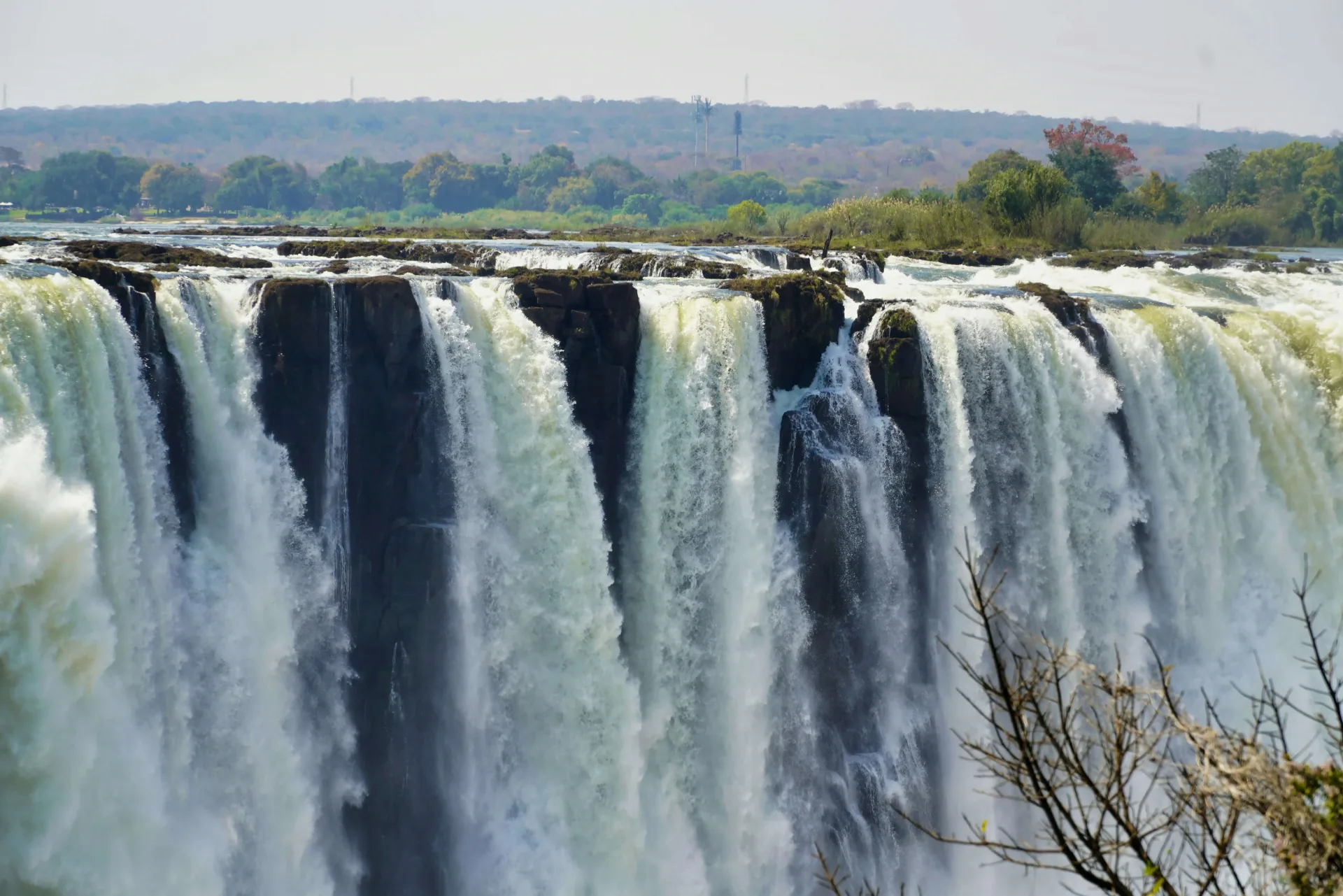
Highlights of Zimbabwe: Victoria Falls & Hwange
Highlights of Zimbabwe: Victoria Falls & Hwange
Zimbabwe
 Adventure
Customizable
Adventure
Customizable
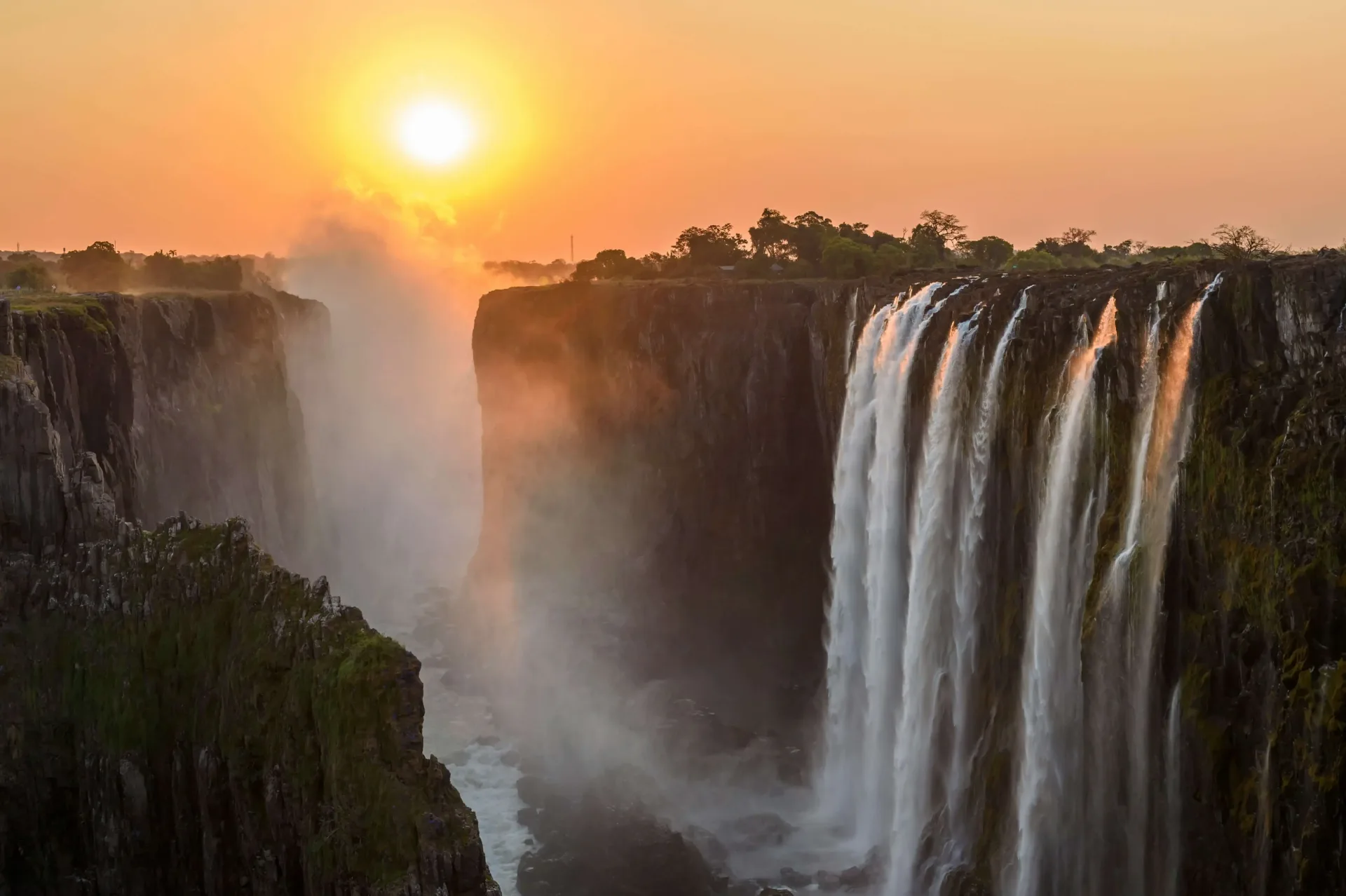
Victoria Falls Adventure: The Smoke that Thunders
Victoria Falls Adventure: The Smoke that Thunders
Zimbabwe
 Adventure
Customizable
Adventure
Customizable
Hwange & Mana Pools: A Great Zimbabwe Safari
Hwange & Mana Pools: A Great Zimbabwe Safari
Zimbabwe